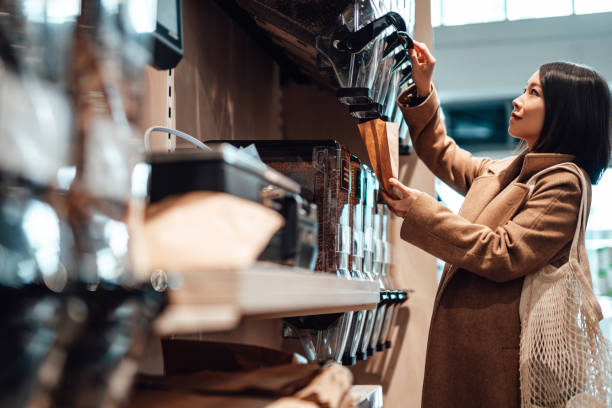
Bulk Buying Isn’t Always a Bargain: The Hidden Per-Unit Costs

You’ve seen the price tags. A 24-pack of paper towels costs $18.99, while the 6-pack runs $6.49. Do the quick division, and the big pack clearly wins on price per roll. So you toss it in the cart, wrestle it into your hallway closet, and feel pretty smug about your savings. Then, three months later, you notice the package is still sitting there, taking up half the shelf, and you’re wiping countertops with the same roll you started two weeks ago. That’s the moment you realize bulk buying isn’t always the victory lap it seems.
The problem isn’t the math on the shelf. The problem is all the math that happens after you get home. Every bulk purchase carries hidden costs that never show up on the unit price sticker. Storage space is the most obvious one. If you live in a 900-square-foot apartment with one linen closet, that 36-roll mega pack of toilet paper might cost you more in sheer aggravation than the four dollars you saved over buying smaller packs. You end up stacking rolls on top of the washer, shoving them under the bed, or blocking the air vent that you forgot existed. Space has value, and for many people with disposable income, the value of an uncluttered home is worth far more than the pennies per unit they’d save.
Then there’s the spoilage trap. Bulk buying makes sense for things that don’t go bad, but how many of us have a cheerful stash of canned goods that have been there since the previous presidency? Non-perishable doesn’t mean non-forgettable. But the real danger is with perishable items like cheese, yogurt, or fresh produce. Warehouse clubs are genius at getting you to buy a gallon of mayonnaise or a five-pound tub of hummus, because the per-ounce price is unbeatable. The catch is that you rarely eat mayonnaise fast enough to justify that size. You open it, use two spoonfuls, and then it sits in the fridge past its prime. You throw half of it away, and suddenly your “great deal” has cost you more per usable ounce than the small jar at the corner grocery.
There’s also the psychological pressure of bulk inventory. When you have forty-eight oatmeal packets in your pantry, you feel a strange obligation to eat oatmeal every morning, even on days when you’d rather have eggs. Or you buy that monstrous jar of pickles because it’s a steal, but your family only eats pickles on burgers, and burgers happen twice a month. That jar becomes a monument to your spending ambition. Eventually, you toss it out, unopened, because the expiration date becomes your boss. Bulk buying can quietly turn into food waste and money waste, all while making you feel like a savvy shopper.
On the flip side, just-in-time buying—purchasing smaller quantities closer to when you actually need them—has an undeserved reputation as the financially irresponsible choice. People assume that buying small always means paying more. But that ignores sale cycles, coupons, and digital price matching. You can often catch a medium-size package of laundry detergent at a 30 percent discount that beats the warehouse club’s everyday bulk price. The trick is paying attention to unit pricing on the shelf you already visit, rather than assuming the giant container is automatically better. And when you buy just-in-time, you keep your cash in your pocket longer. That money can sit in a high-yield savings account or simply serve as a buffer for an unexpected expense. There is a real opportunity cost to tying up fifty dollars in a three-year supply of trash bags when you don’t know if the brand you love will even be your preference next year.
The best strategy is neither pure bulk nor pure just-in-time. It’s a thoughtful mix based on your consumption patterns, your storage space, and your patience. For items you use weekly without fail—toilet paper, coffee filters, dishwasher pods—bulk buying works well, provided you have a designated spot for them. For things you buy because the price looks amazing but you only use occasionally, just-in-time is smarter. And for anything perishable, the just-in-time model almost always wins, because no one can truly predict how many avocados a household will eat before they turn to guacamole-colored mush.
Before you commit to that big-box run, ask yourself three quick questions. How fast will you actually use the whole package? Where will it live in your home? And what else could you do with that aisle space and twenty extra dollars in your wallet? If a bulk purchase doesn’t pass all three tests, walk away. The best deal isn’t the one with the lowest per-unit cost. It’s the one that ends up fully used, unobtrusive, and worth every penny you paid. Being a smart shopper means ignoring the siren song of the giant bottle and buying exactly what you need, when you need it—and saving your shelf space, your sanity, and your budget for the things that truly matter.