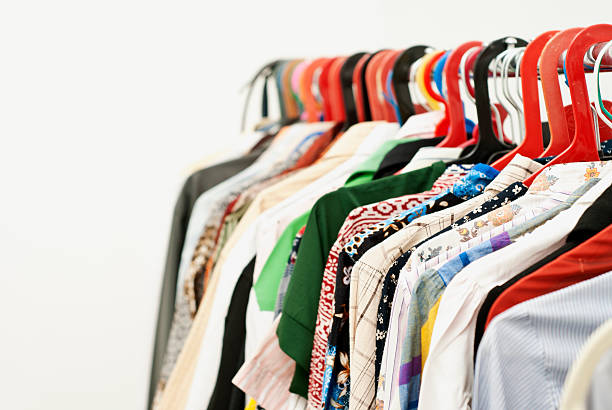

The concept of a clothing swap is wonderfully simple: gather a group of friends, each person brings items they no longer wear, and everyone leaves with “new” pieces without spending a dime. Yet many swaps fail to reach their full potential because they lack structure and intention. A seasonal clothing swap, curated around the changing weather and upcoming wardrobe needs, transforms a casual gathering into a strategic cost-saving tool. By planning ahead, setting clear guidelines, and focusing on quality over quantity, you can turn a closet purge into a reliable source of fresh apparel that saves hundreds of dollars per year while reducing textile waste.
The first step toward a successful seasonal swap is timing. Aligning the event with natural wardrobe transitions—late spring for summer clothes, early autumn for fall and winter layers—ensures that guests bring items they genuinely won’t use in the coming months. A mid-March swap, for example, encourages participants to part with heavy sweaters and coats they haven’t worn since February, while also allowing them to pick up lightweight tops and shorts they’ll soon need. This seasonal rhythm creates a recurring cycle of renewal. Instead of impulse shopping for a new beach cover-up, you wait for the swap. The anticipation becomes a powerful deterrent against needless retail spending.
Equally important is establishing a clear theme or category. A free-for-all swap where everyone dumps jeans, formal dresses, workout gear, and winter boots into one pile often leads to overwhelm and disappointment. Instead, narrow the focus. One season you might host a “Summer Essentials” swap limited to shorts, tanks, sundresses, sandals, and swimwear. Another season could be “Layering Specialists” focused on cardigans, flannels, light jackets, and scarves. By limiting the category, you increase the odds that each guest finds something they actually need. This curated approach mimics the experience of shopping in a well-organized boutique, but at zero cost. It also prevents the common problem of attendees feeling pressured to take home items they don’t really want simply because they brought a large bag of their own.
To maximize value, implement a simple quality filter before the event. Ask each friend to bring only items that are clean, free of stains or tears, and still in style. A forgotten rule of thumb: if you wouldn’t confidently hand it to a close friend as a gift, don’t bring it to a swap. This courtesy keeps the experience positive and prevents resentment. You can even encourage a “two-item maximum per person” rule to keep the exchange manageable. This forces participants to be selective about what they’re willing to part with, which often means they bring better pieces—items that still have plenty of life but no longer fit their body or aesthetic. The result is a curated collection of high-quality garments that have real value, which would otherwise sit unworn in a closet.
The swap itself benefits from a bit of ceremony. Rather than letting everyone grab wildly, try a timed rotation. For the first fifteen minutes, everyone browses but does not take. This allows each person to appreciate what’s available without the chaos of snatching. Then open the floor for one round of “claims” where each person can pick one item. After that, allow free-for-all trading. This structure ensures that every guest leaves with at least one carefully chosen piece, rather than a random armful of mediocre finds. It also mimics the social ritual of gift exchange, adding a layer of fun and anticipation that makes the event memorable. When friends feel they’ve “won” a great sweater, they appreciate it more than if they had simply grabbed it off a pile.
After the swap, the residual magic continues. Items not taken by anyone do not need to return home. Designate a donation bin, and at the end of the event, agree to deliver the leftovers to a local thrift store or women’s shelter. This prevents clutter from merely shifting from one closet to another. It also reinforces the environmental ethos of the gathering: clothing swapped and donated keep textiles out of landfills. Many guests feel a sense of lightness after purging their own excess, and they often report feeling more inspired to shop their own closets for future outfits. The seasonal swap becomes a catalyst for a broader mindset shift toward mindful consumption.
Finally, consider the ripple effect on your regular shopping habits. Once you experience the thrill of acquiring a barely worn designer blouse or a perfect pair of jeans for free, the retail markdowns at department stores start to look less appealing. The bar for a “worth it” purchase rises. You begin to ask yourself: “Do I need this enough to pay cash, or can I wait until the next swap?” Over the course of a year, attending three or four seasonal swaps can replace dozens of individual purchases, saving hundreds of dollars while simultaneously refreshing your wardrobe in a sustainable, social way. Hosting a curated swap also deepens friendships—sharing clothes is an intimate act of trust and style collaboration. What starts as a cost-cutting trick becomes a cherished tradition that aligns your spending with your values. By embracing the seasonal swap, you do more than save money; you join a circular economy that makes every garment count.