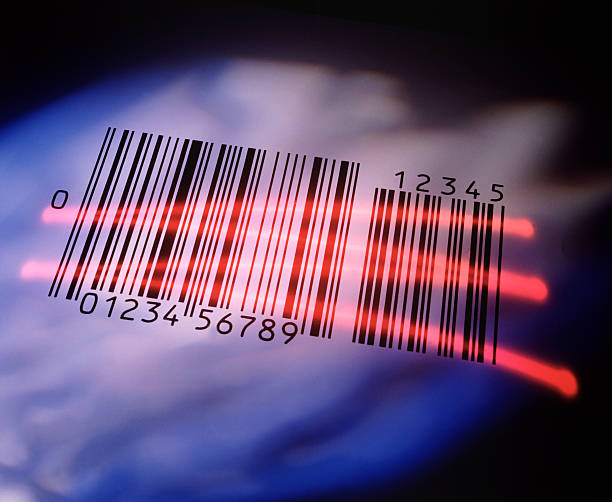

The humble barcode, a seemingly simple pattern of black and white lines, has quietly become one of the most powerful weapons in a savvy shopper’s arsenal. For decades, barcodes were merely tools for retailers to track inventory and speed up checkout. Today, thanks to smartphone apps and browser extensions, scanning a barcode can instantly reveal whether the item in your hand is a bargain or a rip-off. This simple act transforms you from a passive buyer into an informed consumer who never pays more than necessary. Mastering the art of barcode scanning for instant price comparisons is not just about saving a few cents here and there; it is about fundamentally changing how you approach every purchase, from groceries to electronics, both online and in physical stores.
At its core, barcode scanning for price comparison relies on databases that aggregate pricing information from numerous retailers. When you scan a product’s Universal Product Code, your app queries these databases and returns current prices from nearby stores, online marketplaces, and sometimes even historical data. This process takes less than two seconds but can yield savings that add up remarkably fast. Consider a typical trip to a big-box store. You pick up a bottle of laundry detergent that seems reasonably priced. A quick scan reveals that the same bottle is three dollars cheaper at a competitor just a mile away, or that a larger bulk size at the same store actually costs less per ounce. Without the scan, you would have walked out overpaying for a commodity. Over a month of grocery shopping, those small oversights can easily amount to fifty dollars or more.
One of the most powerful applications of barcode scanning lies in its ability to expose deceptive pricing tactics. Retailers are masters of psychological pricing—placing high-margin items at eye level, using confusing unit price labels, or offering “sales” that are actually higher than the everyday price at another store. A barcode scan cuts through this noise. It gives you objective data: the price at this store right now versus the price at other stores right now. This is particularly useful for big-ticket items like electronics, appliances, or furniture, where even a ten percent difference can mean hundreds of dollars. Scanning the barcode on a television in an electronics store might reveal that the same model is available online from a reputable seller for a significantly lower price, including shipping. Armed with that information, you can either ask the store to price-match or simply walk away and order it from your phone.
The technology has evolved far beyond simple price lookup. Modern barcode scanning apps integrate with user reviews, product specifications, and even price history charts. For instance, if you scan a kitchen appliance, the app might show you not only current prices but also a trend line indicating whether the price has been dropping or is likely to go up. This historical perspective helps you decide whether to buy now or wait for a deeper discount. Some apps also alert you to coupon opportunities or cashback offers that are tied to that specific barcode. In effect, scanning becomes a one-stop information hub, giving you the confidence to make a purchase decision on the spot.
For online shoppers, barcode scanning is equally transformative, albeit in a slightly different form. Many browser extensions now incorporate barcode scanning capabilities by allowing you to upload a photo of a barcode from a physical product you see in a store, or by automatically matching product codes from web pages. When you are browsing an item on a site like Amazon, a browser tool can scan the barcode data embedded in the page and show you the same product on other platforms, including eBay, Walmart, or specialized retailers. This prevents the common trap of assuming Amazon always has the best price. In fact, dynamic pricing on online marketplaces means prices can fluctuate by the hour. A quick barcode check ensures you are not paying a premium simply out of habit.
There are practical tips to maximize the effectiveness of barcode scanning. First, always scan multiple barcodes when considering different sizes or variants of a product. Often, the larger size is not the better deal, and scanning reveals that the smaller size or a different brand offers a lower per-unit cost. Second, use barcode scanning as a pre-purchase habit, not just a final check. Before you even leave home, scan products you intend to buy from store ads or online listings to compare prices across retailers. This preparation saves time and prevents impulse decisions. Third, leverage apps that allow you to create shopping lists with scanned barcodes. When you are in a store, you can quickly pull up your list and see which items are cheapest at that location, or get alerts if a product you scanned earlier is now on sale.
The psychological benefit of barcode scanning should not be underestimated. It shifts the balance of power from the seller to the buyer. Instead of feeling pressured by a store’s layout or a limited-time offer, you gain a sense of control. You know exactly what you are paying relative to the market. This reduces buyer’s remorse and makes shopping a more rational, less emotional activity. For consumers on tight budgets, this confidence can be a game-changer, allowing them to stretch their dollars further without sacrificing quality.
Of course, barcode scanning is not without limitations. Not every product has a universally recognized barcode, especially locally produced or niche items. Some apps may have incomplete databases, and prices can change faster than the data updates. Additionally, shipping costs, sales tax, and membership fees (like for Costco or Sam’s Club) need to be factored in when comparing online vs. in-store prices. Despite these caveats, the practice remains one of the most effective and immediate ways to save money.
In a world where pricing is increasingly opaque and dynamic, the barcode scanner on your phone is a simple but profound tool of transparency. It turns every shopping trip into an opportunity for informed decision-making. Whether you are scanning a tube of toothpaste or a high-end laptop, the principle is the same: knowledge is power, and the barcode is the key to unlocking that knowledge. By making instant price comparisons a routine part of your shopping behavior, you join a growing community of consumers who refuse to pay more than they have to. And in an economy where every dollar counts, that habit pays dividends far beyond the checkout line.