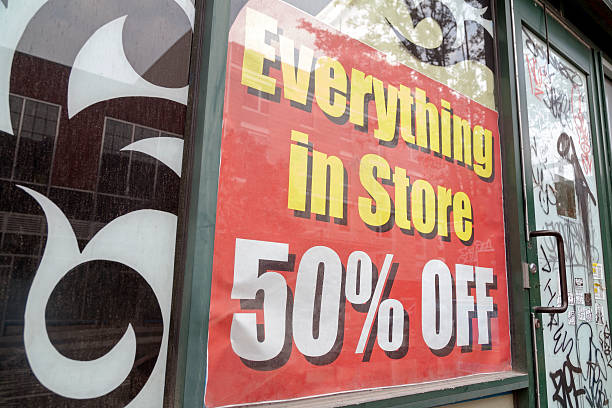

The true bargain hunter knows that the lowest price on a grocery receipt is rarely the shelf tag you see on a Tuesday morning. At discount grocery stores, the real savings come not from the everyday low price, but from understanding the hidden rhythm of markdowns. These stores, including chains like Aldi, Lidl, Grocery Outlet, and regional discounters, operate on a distinct inventory cycle that rewards shoppers who learn its timing. Mastering when markdowns happen and why can transform a routine shopping trip into a strategic savings mission.
Discount grocery stores differ from conventional supermarkets in their sourcing model. They often purchase overstock, discontinued items, or products with short remaining shelf life from major manufacturers and full-price retailers. This means their inventory is inherently unpredictable, but it also means that items must move quickly. To avoid waste and free up shelf space for new deliveries, these stores implement aggressive markdown schedules. The pattern typically revolves around a weekly or bi-weekly cycle tied to delivery days. Most discount grocers receive fresh produce and dairy shipments on specific weekdays, often Tuesday, Wednesday, or Thursday. The day before a delivery, store managers assess what remains on the shelves and slash prices on perishables to clear them out. A savvy shopper who knows that a particular store receives produce on Thursday will find the deepest markdowns on Wednesday evening. This is when you can score bags of apples for a dollar or lettuce heads for pennies.
Non-perishable items follow a different cadence. Discount grocery stores often rotate their featured deals every few weeks, highlighting seasonal items or manufacturer closeouts. The first week of a new promotion tends to have the widest selection, but the final week offers the deepest discounts as managers attempt to empty remaining stock. If you spot a shelf stacked with boxes of pasta or cans of soup labeled with a price reduction, check the date code. Markdowns on shelf-stable goods are often applied in phases. Initially, the store might cut the price by twenty to thirty percent. If the product does not sell within a few days, the price drops again to fifty percent or more. Patience pays off, but you must balance waiting with the risk that other shoppers will snap up the deal first. The sweet spot is usually around the third day after the initial markdown, especially for items that are less commonly purchased.
Another critical element of the markdown schedule is the end-of-day timing. Discount grocery stores often have a dedicated team manager who walks the sales floor in the late afternoon or early evening to apply stickers to items nearing their sell-by date. Meat and poultry departments are prime examples. A package of ground beef or chicken thighs that was full price at noon might be half off by five o’clock. If you can shop between four and six in the evening on a weekday, you will catch these fresh markdowns. Some stores even have a specific markdown cart or section where they gather all discounted perishables. Knowing where that cart is located and when it appears can save you ten to twenty dollars per visit.
Seasonal markdowns at discount grocers follow a predictable but overlooked pattern. After major holidays, stores are flooded with overstock of seasonal items such as candy, baking supplies, and themed decorations. The day after a holiday like Easter or Halloween, these items are often marked down by fifty percent or more. But the deeper discount comes a week later, after the store has cleared the initial rush. For example, leftover Valentine’s Day chocolates might be seventy-five percent off ten days after February fourteenth. Similarly, summer grilling items, such as barbecue sauce and charcoal, see steep reductions in early September as stores transition to fall inventory. By planning your shopping trips around these seasonal windows, you can stock up on non-perishable essentials at a fraction of their regular price.
To fully leverage the markdown schedule, you need to build relationships with store employees. Cashiers and stockers often know exactly when the markdown stickers go on and which days the biggest clearance events happen. A friendly question like “When do you usually mark down the bakery items?” can yield valuable intelligence. Many discount grocery stores also have informal policies where managers will honor a markdown price on a future delivery if you ask politely. While this is not advertised, it is a common practice at stores like Grocery Outlet, where employees have discretion to negotiate prices on bulk purchases.
Finally, do not overlook the markdown schedule for household essentials. Cleaning supplies, paper products, and personal care items at discount grocers are often overstock from other retailers. These items may sit on shelves for weeks before a markdown is applied. Look for dust on packaging or a faded price tag, which signals that the product has been there long enough to warrant a discount. Many discount stores use a color-coded sticker system that indicates the date of the markdown. If you learn the color code, you can quickly scan shelves for the oldest, cheapest items.
Mastering the markdown schedule at discount grocery stores requires observation, patience, and a willingness to shop at unconventional times. But the payoff is significant. By aligning your shopping trips with delivery days, end-of-day price drops, and post-holiday clearance windows, you can cut your grocery bill by thirty to fifty percent without sacrificing quantity or quality. The clock is always ticking on a discount grocery store’s inventory, and the smart shopper learns to tick along with it.