
In an age where digital coupons flash across our screens and app-based deals promise significant savings, a critical question emerges for the conscientious shopper: do these promotional offers genuinely work in-store? The transition from clicking “claim offer” to presenting it at a physical checkout can feel fraught with uncertainty. The answer, while not universally simple, is a cautious yes—these offers do function in brick-and-mortar locations, but their efficacy is heavily dependent on a nuanced understanding of terms, technology, and store policy.
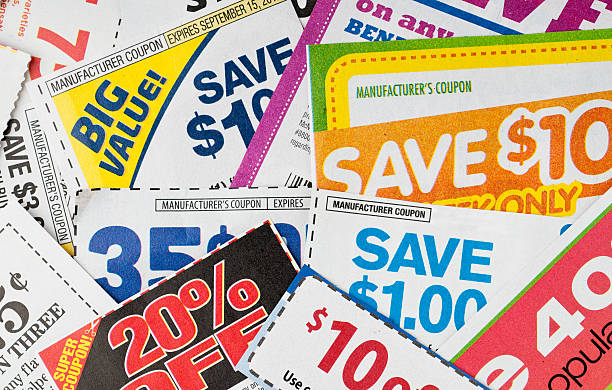
The fundamental mechanism for most modern in-store offers is the barcode, whether physical or digital. A coupon clipped from a newspaper or printed from a website contains a unique barcode that the store’s point-of-sale system scans, automatically applying the discount if all conditions are met. Similarly, the digital evolution of this is the smartphone screen displaying a scannable QR code or a barcode within a retailer’s app. This technological bridge is the primary reason offers work; the system recognizes the code and executes the programmed discount. However, this is where the first layer of complexity appears. The offer must be activated or loaded onto a loyalty account, or the barcode must be precisely rendered. A cracked screen or low battery can render the most lucrative digital coupon useless, highlighting a fragility not present with paper.
Beyond the scan, the true determinant of an offer’s in-store viability lies in the meticulous fine print. Promotions frequently stipulate “exclusions apply,“ which can encompass entire brands, sale items, or specific product sizes. A “20% off” offer might be valid only for full-price apparel, nullifying its use on the clearance rack a customer intended to target. Similarly, “buy one, get one free” promotions often require the purchase of two specifically tagged items, not any two within a category. The physical store environment, with its tangible products and immediate availability, can create a psychological impulse that clashes with these restrictive terms. A customer may perceive the offer as working on their intended purchase, only to find at the register that the shampoo they selected is the wrong size or brand for the deal, leading to frustration and a sense that the offer “didn’t work.“
Furthermore, the human element and store-specific policy introduce another variable. While corporate marketing teams launch national campaigns, individual store managers may have limited authority or inventory. An advertisement for a free gift with purchase relies on that gift being in stock at that particular location. Additionally, staff training varies; a cashier may be unfamiliar with a digital coupon format or may, understandably, lack the authority to override a system rejection. This is where polite persistence and clear knowledge of the offer’s terms become the customer’s tool. Showing the official terms on a website to a manager can often resolve the issue, proving the offer is valid but requiring an extra step for fulfillment.
Ultimately, promotional offers are engineered to work in-store, as their entire purpose is to drive foot traffic and incentivize purchase at the point of sale. The infrastructure, from barcode systems to linked loyalty programs, is designed to support them. Yet, to successfully navigate this landscape, a shopper must become a discerning interpreter. The seamless experience advertised is contingent upon the alignment of product selection with precise conditions, functional technology, and informed store personnel. Therefore, while the offers do work, their success is not automatic. It demands the customer move from passive recipient to active participant, reading details, preparing their device, and managing expectations. In this light, the in-store offer becomes a test of both marketing integrity and consumer diligence, a small negotiation where savings are the reward for careful attention to the often-overlooked details.