Fixed-Income Senior Shopping Secrets That Work for Any Budget

You have seen them in the store on a Tuesday morning, methodically comparing two brands of canned beans, checking the cost per ounce on each label. They move slowly, but they move with certainty. You might feel a little smug because your paycheck gives you room to grab whatever looks good without a second thought. But the truth is that these fixed-income seniors have built the most efficient shopping habits in America. Their goal is not to starve their lives. Their goal is to stretch a finite amount of money until it covers everything they truly need. That kind of discipline is not a handicap. It is a superpower. And you, with a larger income and the same consumer desires, can borrow that superpower and end up with more cash in your pocket every single month. The effort pays off every single time.
The first habit is preparation before you leave the house. Fixed-income seniors do not wander into a store hoping for the best. They read the weekly ad, open the loyalty app, and write a list that names the exact item and the exact price they expect to pay. That list is a fortress wall against impulse buys. The second habit is patience. They know that a new lawnmower costs a fortune in April but drops by half when summer ends. Nearly every product has a predictable sale cycle. Televisions bottom out before the Super Bowl. Winter clothes get clearanced in February. So they track prices on an app and set a target number. Then they wait. Because they know the sale will come. The easiest way to save twenty percent is to do nothing until the right week.
The third habit is asking for discounts that are already owed to you. Senior shoppers have no fear of the customer service desk. They will pull up a competitor’s price on their phone and ask for a match. They will request a refund when the item goes on sale the next week. Many stores have policies that allow both, but they never volunteer the information. You have to ask. The price adjustment window is often fourteen to thirty days, so do not wait. The fourth habit is checking the unit price, that tiny label on the shelf edge that tells you the cost per ounce. Everyone walks past it, but seniors read it like a secret code. That’s how they spot a jumbo bag of rice that costs more per pound than the medium bag next to it. A few seconds of looking down saves real money.
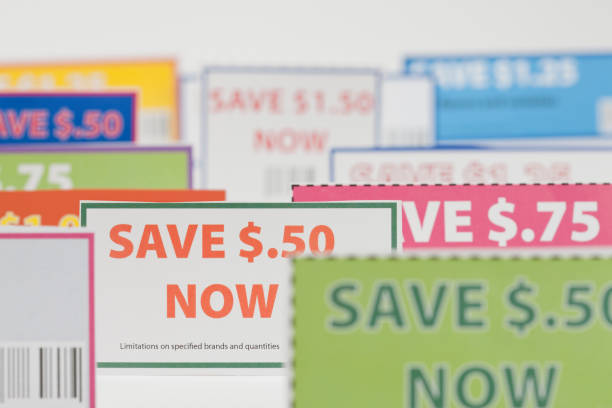
Fifth, fixed-income seniors buy used and refurbished without hesitation. They know a certified refurbished laptop is a hundred dollars cheaper than a brand new one and works perfectly fine. They also know that a cast iron skillet from a thrift store will outlast any brand new nonstick pan. Resale sites are full of almost-new gadgets from people who bought things they never used. Let someone else eat the depreciation. Finally, they stack the boring programs. Loyalty cards, cashback websites, and email coupons add up over time. Seniors are the most faithful users of these tools because they see the small percentages as money. Sign up for everything that is free and always click through a cashback portal before you pay. Do that and you will always win more money.
The overarching lesson is that frugality is not about denying yourself. It is about having the spine to say not now to an overpriced item and yes to the same item when the calendar brings the price down. Fixed-income seniors have no choice but to make every dollar count, so they master the rules of timing, negotiation, and comparison. You have the same ability, plus the luxury of not being forced. That means you can be even smarter. Spend one month shopping the senior way. Write lists, wait for clearances, ask for price matches, check unit labels, buy used, and use those reward programs. You will have more money left over without losing a single thing you truly wanted. That’s the secret. It was never about being cheap. It was always about being exact. It turns shopping from a gamble into a guarantee.