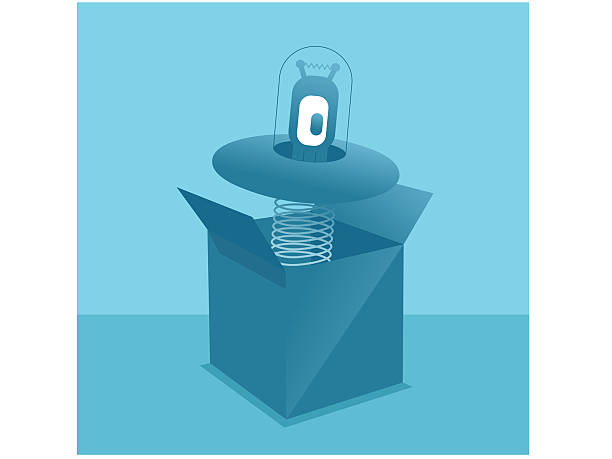

The allure of a pristine, factory-sealed box is deeply ingrained in consumer psychology. That first unboxing experience, the smell of new plastic, the untouched cables coiled neatly inside—it feels like validation of a purchase well made. Yet the most sophisticated shoppers know that the real value often lies just outside that sealed packaging, in the world of open-box and refurbished electronics. These items, when sourced correctly, can deliver the same performance and longevity as their brand-new counterparts while slashing prices by twenty to fifty percent or more. Understanding the nuances of these secondhand options is not about settling for less; it is about redefining what “new” means for your budget.
Open-box items are typically products that were returned by a customer, displayed on a showroom floor, or removed from their original packaging for inspection. Retailers such as Best Buy, Amazon Warehouse, and B&H Photo offer dedicated open-box sections where discounts increase as the condition grade drops from “Like New” to “Acceptable.” The key here is to read the condition notes carefully. A “Like New” open-box item often has only minor cosmetic wear invisible from arm’s length, while the internal components are fully functional. Because these units have been handled but rarely used extensively, they commonly come with a full manufacturer’s warranty or at least a store-backed return policy. The risk is minimal, yet the savings compound significantly on high-ticket items like laptops, televisions, and premium headphones.
Refurbished products, on the other hand, have undergone a more rigorous process. They are units that were returned due to a defect, inspected by the manufacturer or a certified third party, repaired if necessary, tested to factory specifications, and then repackaged. This category often carries a stronger warranty than a standard new product because the refurbisher has a vested interest in proving the unit’s reliability. Apple, for example, sells certified refurbished iPhones and MacBooks that are virtually indistinguishable from new, come with a one-year warranty, and are eligible for AppleCare+. The discount is typically fifteen to twenty percent, but occasionally deeper sales surface during holiday events. The misconception that refurbished means “broken and patched” is outdated; in most cases, the defect was superficial—a scratched case, a loose button, or a software glitch that a simple reset solved. The refurbished route effectively outsources quality assurance to experts, leaving you with a device that has been vetted more thoroughly than a unit pulled straight off a store shelf.
For big-ticket purchases like televisions, soundbars, and gaming consoles, open-box deals from big-box retailers can be a gold mine. Floor models often receive the deepest discounts because they may have been running demo loops for weeks or months, but the actual usage time is still low. The risk of burn-in on modern OLED displays is a legitimate concern, yet most open-box OLEDs are either in near-new condition or come with a return window that allows you to test for image retention. Similarly, open-box gaming consoles often have only a few hours of playtime because the original buyer simply changed their mind. Checking the unit’s storage or system menu for usage statistics can provide concrete evidence of wear.
Online marketplaces like eBay and Swappa add another layer of opportunity, but they demand more due diligence. A seller with thousands of positive reviews and a detailed description that includes serial numbers or photos of the actual item is far safer than a generic listing stock photo. For smartphones, Swappa specifically requires devices to be fully functional and free of iCloud or carrier locks, making it a trusted alternative to classifieds. When buying secondhand from individuals, always request proof of purchase if possible, and pay with a credit card that offers purchase protection. The savings on a flagship phone can be four hundred dollars or more compared to retail, but the trade-off is a slightly shorter battery life or cosmetic scratches that a case will hide anyway.
Environmental consciousness is an added benefit that appeals to the modern consumer. Every open-box or refurbished purchase keeps a device out of a landfill and reduces the demand for virgin materials used in manufacturing new units. The electronics industry is among the largest contributors to e-waste, and extending the life of a perfectly good product by one or two years has a measurable positive impact. This aligns with the growing movement toward circular economies, where reuse and repair are prioritized over constant replacement. The shopper who chooses a refurbished laptop over a new model not only saves money but also casts a vote for sustainable consumption.
Finally, timing matters. Open-box inventory fluctuates heavily after major sales events like Black Friday, Cyber Monday, and back-to-school season. Retailers are flooded with returns and excess floor stock, so these weeks present the widest selection and deepest discounts. Signing up for email alerts from retailers that specialize in open-box electronics can give you a head start on coveted items that sell out within hours. Patience is the final tool in the advanced shopper’s kit. If you can wait a few weeks for the right open-box deal, you may find yourself with a premium product at a budget price, no unboxing ritual required, but with the same satisfying performance for years to come.