
The moment you see a product you suddenly want, your brain floods with dopamine, creating an illusion of urgency that feels almost impossible to resist. This is exactly why the 24-hour rule has become one of the most effective psychological tools for breaking the cycle of impulse buying. The premise is deceptively simple: whenever you feel the urge to make a non-essential purchase, you force yourself to wait a full day before clicking “buy” or handing over cash. Yet beneath that straightforward instruction lies a powerful mechanism that rewires your relationship with money, strengthens your financial discipline, and turns spending from a reactive habit into a deliberate choice.
The science behind the rule exploits a well-known cognitive bias known as the “hot-cold empathy gap.” In a hot emotional state—excited, stressed, or FOMO-driven—you overvalue immediate gratification and underestimate the rational consequences of your decision. Waiting twenty-four hours allows your brain to cool down, shifting from emotional to analytical processing. During that pause, the initial thrill fades, and you begin to evaluate the purchase with the same clarity you would use to choose between brands of cereal. This cooling period is not about denying yourself; it is about giving your prefrontal cortex time to catch up with your limbic system.
Implementing the rule effectively requires a system that removes friction from the waiting process while adding a small barrier to the purchase itself. One practical approach is to keep a digital note, a physical pad, or even a dedicated email draft where you log the item, its price, and the reason you wanted it. The mere act of writing down the desire externalizes it, reducing the urgency. Then, set a timer or a calendar reminder for exactly twenty-four hours later. When that reminder goes off, you revisit your note and ask three questions: Do I still want this? Can I afford it without using credit or dipping into emergency savings? Is there a cheaper alternative or a way to buy it used? If the answer to all three is yes, you proceed. More often than not, the answer to the first question is a hesitant “not really.”
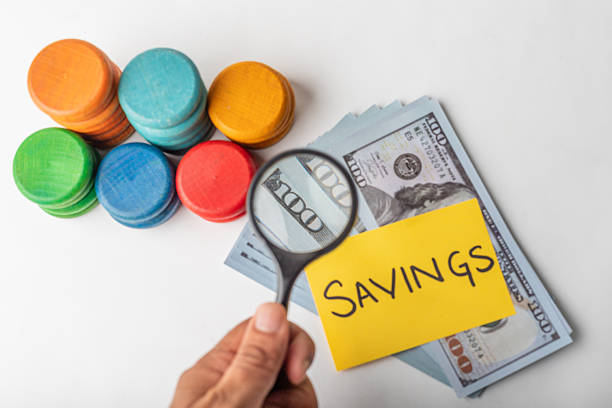
The rule becomes even more powerful when you pair it with an automated savings mechanism. For example, every time you implement the 24-hour delay, you can set up a small automatic transfer—say, five or ten dollars—from your checking account to a dedicated high-yield savings account. This creates a Pavlovian link between restraint and reward: by waiting, you are literally paying yourself. Over weeks and months, these micro-transfers accumulate into a meaningful cushion, reinforcing the habit. Alternatively, you can link the rule to a “purchase jar” app that moves the exact amount of the intended purchase into a separate bucket, so that if you later decide to buy, the money is already allocated, but if you abstain, that sum remains in savings.
One of the most misunderstood aspects of the rule is that it applies not only to big-ticket items but also to the small daily expenses that stealthily drain budgets. A five-dollar coffee mug that catches your eye at a checkout counter, a twenty-dollar subscription that feels minor during a free trial, a pair of shoes on flash sale—these are the purchase categories where the 24-hour rule works best. Small impulse buys rarely survive a full day of scrutiny. When you wake up the next morning, the novelty has evaporated, and the item that seemed essential now looks like clutter waiting to happen. This is the rule’s true strength: it eliminates the regret that follows a hasty decision.
Yet the rule is not a rigid prohibition; it is a flexible guide. For genuinely essential items—groceries, medicine, a broken appliance that needs immediate replacement—you skip the delay. The key is to define “non-essential” clearly in your mind. A good litmus test is whether the purchase would cause any meaningful inconvenience if delayed by twenty-four hours. If the answer is no, then the rule applies. By reserving the waiting period for discretionary spending, you avoid punishing yourself for necessary costs while building a healthier separation between wants and needs.
Over time, the 24-hour rule does more than save money. It cultivates a mindset of intentionality. You begin to notice patterns in your urges—late-night browsing after a stressful day, splurging on gadgets after seeing an influencer post, or buying clothes to fill an emotional void. Recognizing these triggers allows you to address the root cause rather than just the symptom. The rule also teaches patience, a virtue that has become rare in an era of one-click ordering. That patience extends beyond shopping; it seeps into how you approach financial goals, career decisions, and even personal relationships.
To make the rule stick, start small. Pick one category of spending—takeout meals, streaming subscriptions, or clothing—and apply the 24-hour delay to every purchase in that category for the next two weeks. Track how often you actually complete a purchase versus how often the urge passes. Most people find that they cancel more than half of their intended buys. As the habit becomes automatic, you can expand it to other categories until the pause becomes second nature. Eventually, you will no longer need a timer; the question “Can this wait until tomorrow?” will arise spontaneously, and the answer will feel liberating rather than restrictive.
The true beauty of the 24-hour rule is its simplicity. No budgeting apps, no complicated spreadsheets, no guilt trips. Just a single, repeatable decision to press pause on the impulse. In that gap, you reclaim control over your spending, your savings, and your peace of mind. And that, ultimately, is the most valuable purchase of all.