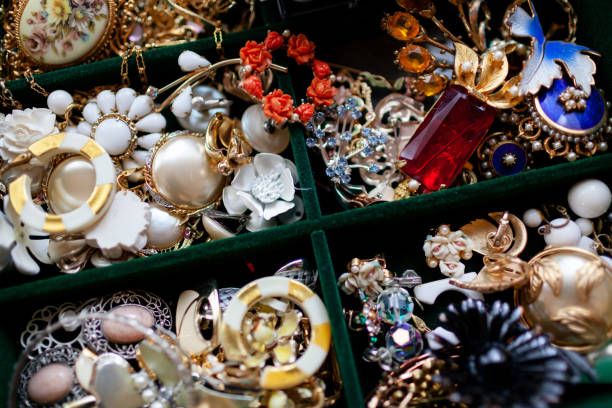

The thrill of the thrift store hunt is unparalleled: the potential to uncover a unique piece of history, a high-quality item for a fraction of its retail cost, or a garment that perfectly expresses your personal style. Yet, to the uninitiated, the sheer volume and seeming chaos of a thrift store can be overwhelming. Developing a discerning eye for treasures amidst the clutter is not an innate gift but a cultivated skill, a blend of knowledge, patience, and a shift in perspective. It begins with moving beyond the surface and learning to see the inherent value in the overlooked.
First and foremost, education forms the foundation of a good eye. This means investing time outside the store to build your reference library. Familiarize yourself with the hallmarks of quality construction in clothing—look for French seams, bar tacks at stress points, natural fabrics like linen, wool, and silk, and well-finished linings. For housewares and furniture, learn to recognize solid wood over veneer or particle board, the weight and feel of good ceramic or glass, and the signatures of respected designers or manufacturers from various eras, from Pyrex to Herman Miller. This knowledge allows you to quickly assess an item’s intrinsic worth, separating the well-made from the disposable. Follow vintage enthusiasts, interior designers, and fashion historians on social media; their curated feeds train your brain to spot desirable silhouettes, patterns, and design elements.
Armed with this foundational knowledge, the next step is to refine your approach within the store itself. Patience is your most valuable tool. Rather than scanning racks frantically, slow down and practice what seasoned thrifters call “the sweep.“ Move methodically, allowing your eyes and hands to do the initial filtering. Run your fingers along a rack; quality fabrics often feel different. Look for interesting textures, patterns, or colors that stand out from the mass of fast-fashion polyesters. Be prepared to dig, as treasures are rarely displayed prominently. Check the men’s section for oversized vintage band tees or classic wool coats; peruse the housewares for mid-century modern glassware or cast iron pans hiding in plain sight. Always inspect items thoroughly for flaws—stains, tears, missing buttons, or structural damage—but also assess whether these are deal-breakers or easily remedied with simple repairs.
Ultimately, developing a good eye is as much about cultivating your own unique taste as it is about spotting brand names. The most rewarding finds are often those that speak to you personally, not just those with a high resale value. This requires embracing an open and creative mindset. Can you see the potential in an oversized blazer that can be tailored, a dated piece of furniture that a fresh coat of paint could transform, or a quirky painting that adds personality to a room? Learning to separate an item’s current state from its potential is a hallmark of an advanced eye. It is about composing a narrative, imagining how a chunky 1970s necklace could modernize a simple dress, or how a rustic wooden bowl could bring warmth to a contemporary shelf.
Finally, remember that this skill is honed through consistent practice and a willingness to make mistakes. Your first few trips may yield few successes, but each visit is a lesson in pattern recognition. Over time, you will develop a subconscious intuition, a “spidey-sense” that draws you to a particular shelf or rack. You will begin to see not just individual items, but the stories and possibilities they hold. The journey to a good eye transforms thrifting from a random shopping trip into a rewarding practice of curation, sustainability, and personal expression, where the greatest treasure you find is the joy of the hunt itself.