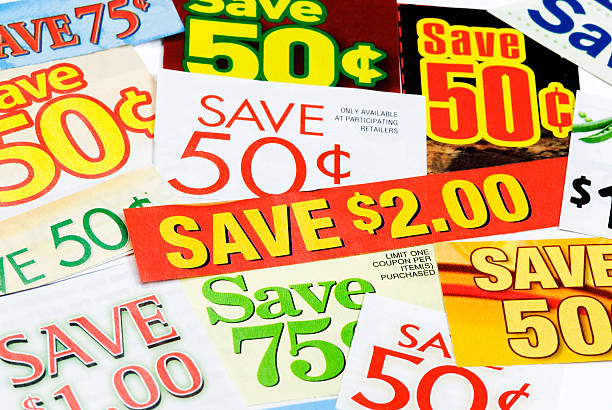
Earning cash back on your regular spending is not a complicated loyalty scheme reserved for finance experts. It is a straightforward method to keep more of your own money. The core idea is simple: you spend as you normally would, and a portion of that spend comes back to you. The modern tools to do this are digital coupons and browser extensions, which automate the savings process so you do not have to clip physical coupons or remember special codes. This is about making your money work for you with minimal extra effort.
Digital coupons are the evolution of the Sunday paper flyer. They exist within the ecosystems of grocery store apps, retailer websites, and dedicated savings platforms. To use them, you typically activate the coupon within the app before you shop. Then, when you pay with your linked loyalty card or account at the checkout, the discount is automatically applied. The cash back often comes in the form of statement credits, a direct deposit to your bank account, or a future gift card. The crucial step is the activation; the coupon must be loaded to your account to work. This method requires no physical action at the register, just a few taps on your phone before you head to the store.
For online shopping, browser tools are the undisputed champion for passive cash back. These free extensions install directly into your web browser. When you visit a participating retailer’s website, the extension will alert you that a cash back offer or a working coupon code is available. Often, it will automatically apply the best-known coupon code at checkout. The cash back earned from your purchase then accrues in your account with the extension service, which you can later withdraw. The power of these tools lies in their ability to scan the internet for savings you would likely miss. They remember the codes so you do not have to, and they ensure you are getting a rebate on purchases you were already going to make.
The most effective strategy combines both approaches for a layered savings effect. Start by choosing a cash back credit card that offers elevated rewards on categories like groceries or gas. This is your foundation. Then, before a purchase, check for digital coupons in the store’s app to save directly on the item’s cost. When shopping online, let your browser extension find coupon codes and activate cash back. Finally, complete the transaction with your cash back credit card. You have now saved on the purchase price, earned a rebate from the shopping portal, and gained credit card rewards—all on a single transaction. This stacking turns everyday spending into a small but meaningful financial return.
To succeed with these tools, you must avoid the single biggest pitfall: spending more just to earn a trivial amount back. The purpose is to save money on necessary purchases, not to justify unnecessary ones. Do not let a ten percent cash back offer tempt you into buying a hundred-dollar item you do not need. That is not saving; it is spending ninety dollars you would not have otherwise. Be strategic and disciplined. Let the tools work in the background of your normal routine. The goal is a gradual accumulation of savings over time, not instant windfalls from impulsive buying.
Mastering these digital tools is about adopting a more conscious consumption habit. It takes a small initial investment of time to set up accounts and install extensions, but the ongoing process is largely automatic. The money you recover is real, and it adds up over the course of a year, effectively giving yourself a small raise for being a savvy shopper. In the end, earning cash back is a practical and modern form of thrift, using technology to ensure you never overpay.