
Hosting a clothing swap with friends is one of the most satisfying ways to refresh your wardrobe without spending a dime, but maximizing that value requires more than just showing up with a bag of old shirts. The true savings come from intentional preparation, strategic selection, and a clear understanding of how to trade effectively. When you treat a swap less like a casual gathering and more like a curated exchange, you walk away with pieces you actually love while clearing out clutter you no longer need. The key is to shift your mindset from “getting rid of things” to “investing in new-to-you items” at zero financial cost.
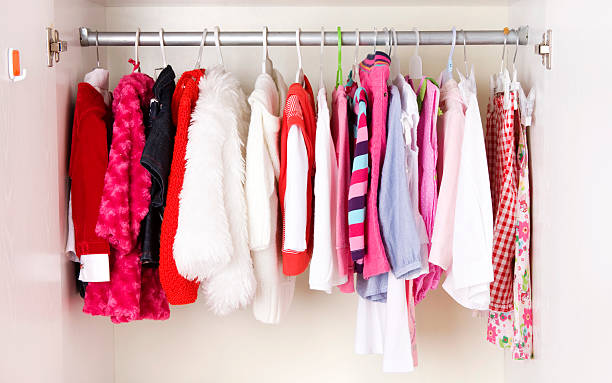
Before the event, take time to audit your own closet. Go through every piece of clothing you own and pull out anything you have not worn in the past year, items that no longer fit, or pieces that simply do not spark joy. Be honest about condition—stained, ripped, or heavily pilled garments rarely appeal to even the most generous friends. Wash and iron everything you intend to bring. Presentation matters. The same dress that looked drab crumpled in a corner will catch someone’s eye when it is neatly folded or hung on a rack. You are essentially competing with your friends’ own offerings, and a well-presented item signals that it is worth taking. This effort pays off because the better your items look, the more likely others will want to trade, and the more valuable “currency” you will have in the swap economy.
Set a clear number of items you are willing to bring, and stick to a one-in-one-out philosophy—or better, a two-in-one-out rule if you want to downsize. This prevents you from bringing home more than you brought, which defeats the purpose of saving money and space. Decide before the swap what kind of pieces you are hoping to find. Maybe you need a blazer for interviews or a pair of jeans in a certain size. Having a mental or physical list keeps you focused amid the excitement. Without a plan, it is easy to grab things just because they are free, only to realize later they do not fit your style or lifestyle. That is how swaps become clutter transfers instead of genuine savings.
During the swap itself, adopt a systematic approach. Start by scanning the entire selection before picking anything up. This gives you a sense of what is available and helps you avoid impulse grabs. Look for high-quality fabrics like wool, silk, cotton, or linen, which tend to hold up better over time. Check labels for natural fibers and well-known brands, as these often indicate durability and resale value. Even if you do not plan to sell, knowing you have a piece that could be flipped for cash if needed adds a layer of value. Pay attention to details like buttons, zippers, and seams. A missing button is an easy fix, but a broken zipper or frayed hem might not be worth the effort unless the garment is otherwise perfect.
Do not be shy about trying things on. Many swaps fail to deliver value because people grab items based on guesswork alone. If the host can set up a small corner with a mirror or a portable fitting screen, that is ideal. But even without one, you can hold a garment against your body and check the shoulder seams, the length relative to your torso, and the waist. If you are unsure, ask a friend for a second opinion. The social nature of a swap means you have built-in fashion consultants. Use that resource. Also, remember that tailoring can transform an okay piece into a great one. A dress that is too long can be hemmed for a few dollars. Jeans that are loose in the waist can be taken in. Factor in the cost of alterations. If the item would cost more to alter than to buy new at a thrift store, it may not be worth taking.
One of the most overlooked ways to maximize value is to bring “wild cards”—items that are not necessarily your style but are clearly high quality or on-trend. These are your bargaining chits. If you see your friend eyeing a leather jacket you brought that you never wear, you can trade it for something you genuinely want. In a well-run swap, every item is negotiable. You are not limited to one-for-one exchanges. You can offer two lesser items for one better one, or trade accessories for clothing. Keep the atmosphere light, but do not be afraid to advocate for what you want. After all, the whole point is to walk away feeling like you won.
After the swap, take stock of what you brought home. Do a quick wash or steam before adding new pieces to your closet. This refreshes them and removes any lingering odors from storage or previous wear. If you ended up with items that still do not work, do not hold on to them out of guilt. Pass them to a charity shop, donate to a shelter, or list them on a resale app. The swap already saved you money by preventing you from buying new, and any subsequent recouping of value is pure bonus. Finally, consider the long-term savings. A single successful swap might replace a half dozen store purchases. Multiply that by two swaps a year, and you are looking at hundreds of dollars saved, not to mention the environmental benefit of keeping clothes out of landfills.
The real genius of a clothing swap lies in the fact that no cash changes hands. Your only investment is time, thoughtfulness, and a willingness to trade. When you approach the event with strategy—curating your contributions, setting goals, inspecting quality, and negotiating trades—you turn a fun afternoon into a serious money-saving tool. Every piece you bring home without paying a cent is a direct savings on your clothing budget. And the more consistently you swap, the more you realize that the best wardrobe is not the one you buy, but the one you build through community and clever exchange.