



The hunt for cheaper travel and fun often leads people down familiar paths: scouring flight deal websites, signing up for hotel loyalty programs, or waiting for restaurant happy hours. But there is a straightforward, under-the-radar tactic that consistently beats those methods: buying discounted gift cards for experiences. This is not about finding a random card in a grocery store checkout line. It is a deliberate strategy to prepay for your adventures and nights out at a significant discount, effectively putting money back in your pocket before you even spend it.
The concept is simple. You buy a gift card for less than its face value, then use it to pay full price. The difference is your immediate savings. This works because a secondary market exists where individuals and businesses sell unwanted gift cards, and dedicated platforms facilitate these sales. You are not buying stolen goods or engaging in shady deals; you are participating in a legitimate resale market. Think of it like buying a ticket to a concert from a friend who can no longer attend, but for your entire vacation budget.
Your first stop should be reputable online marketplaces. Websites like Raise, CardCash, and Gift Card Granny act as brokers. They verify the balances, handle the transactions, and offer buyer protections. Here, you can reliably find cards for major hotel chains like Marriott and Hilton, airlines such as Southwest and Delta, popular restaurants, movie theaters like AMC, and even cruise lines. Savings typically range from 5% to 20%, but steeper discounts on specific brands are common. Always check the site’s fees and the instant delivery option for digital cards, which are ideal for last-minute plans.
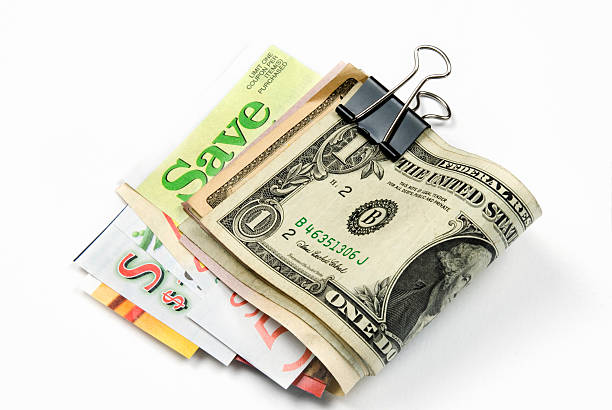
Do not overlook your own everyday spending to generate these discounts yourself. Cashback websites and apps are a prime source. When you shop through their portals at retailers like Target or Walmart, you earn cashback. Then, you turn around and use that cashback to purchase full-price gift cards for experiences from their extensive gift card malls. You are essentially getting a free gift card funded by your other necessary purchases. Similarly, some credit card reward programs allow you to redeem points for gift cards, often at a favorable rate compared to other redemption options. Your grocery store or warehouse club is also a physical venue to check. Costco and Sam’s Club frequently sell packs of restaurant or entertainment gift cards where you pay $80 for $100 worth of value, a guaranteed 20% savings.
To do this wisely requires a shift in mindset from spontaneous spending to planned purchasing. The key is to buy the card after you decide on the experience, not before. First, plan your trip or evening out. Choose your hotel, select your airline, pick the restaurant. Then, and only then, go hunt for a corresponding gift card. This prevents you from buying a discounted card for a business you will never use just because the deal looked good. It turns the gift card into a targeted discount tool. Always confirm the fine print. Ensure the card works for online bookings, verify any expiration dates, and understand if it can be combined with other offers or loyalty numbers. Most major brands allow this seamlessly.
In the end, using discounted gift cards is a direct, no-nonsense financial maneuver. It requires minimal effort for a guaranteed return, bypassing the complexity of points schemes or the restrictions of flash sales. By layering this pre-paid discount on top of any other deals or loyalty rewards you find, you compound your savings. It turns every dinner, hotel stay, and flight into an opportunity for a smarter purchase. For the consumer focused on slashing costs, it is an essential, powerful trick that makes every experience a little more affordable.