
In a world of fast fashion and disposable goods, the ability to mend and alter your own clothing is a powerful, money-saving skill. It is a direct counter to the constant pressure to buy new. Learning these basics is not about becoming a master tailor; it is about extending the life of your current wardrobe and making new purchases fit perfectly, eliminating waste and unnecessary expense. The initial investment in a simple sewing kit is minimal, and the return over a lifetime is substantial.
The most immediate financial benefit is the drastic reduction in professional alteration costs. A simple hem adjustment for trousers or a dress can cost between fifteen and thirty dollars. Taking in a shirt or repairing a seam can be similarly priced. For a household, these costs add up quickly over a year. By learning to execute these basic tasks yourself, you keep that cash in your pocket. The same logic applies to repairs. A loose button, a fallen hem, or a small tear are not reasons to discard a garment. They are five-minute fixes with a needle and thread. Rescuing a twenty-dollar shirt from the trash by sewing on a fifty-cent button is an excellent return on a tiny investment of time.
Beyond repairs, basic alteration skills transform your shopping strategy. You are no longer constrained to finding items that fit perfectly off the rack. This opens up a wider, often cheaper, world of possibilities. You can confidently buy a high-quality blazer or coat on a deep clearance discount because it is a size too large, knowing you can take in the sides. You can purchase trousers for their length and fit in the seat, then hem them to the exact right break for your shoes. This ability to “fix” the fit allows you to prioritize fabric quality and price over a perfect initial silhouette, leading to better purchases and significant savings on big-ticket items like suits, coats, and dresses.
The process also fosters a more mindful and economical relationship with your clothing. When you invest the time to mend a seam, you are less likely to treat the garment carelessly. You begin to see your clothes as long-term assets rather than short-term consumables. This shift in perspective naturally leads to less frequent shopping and more strategic purchases. You start looking for durable fabrics and classic styles you can maintain for years, moving away from the cycle of buying cheap items that fall apart and need constant replacing. The skill pays for itself by breaking the habit of replacement buying.
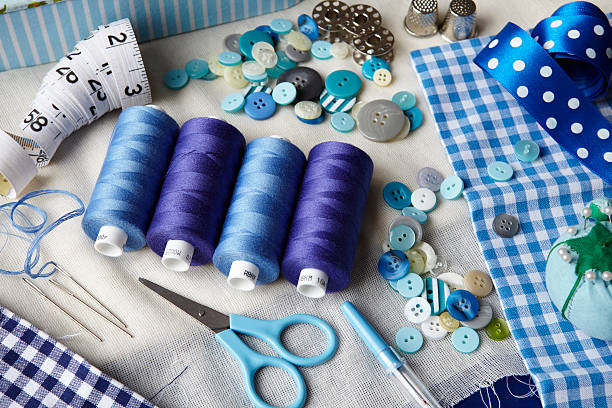
Getting started requires no formal training. A basic sewing kit with needles, thread in neutral colors, sharp scissors, pins, a seam ripper, and a measuring tape is sufficient. Online tutorials and videos provide free, step-by-step instruction for every conceivable repair or alteration. Start with the simplest tasks: sewing a button securely, stitching a straight seam to close a tear, or fixing a fallen hem. Practice on old clothes you don’t care about. The goal is functional, not flawless. A repair that keeps a garment in service for another year is a success, even if the stitches aren’t invisible.
Ultimately, learning basic mending and alteration is a fundamental consumer skill. It is a direct application of the “use it up, wear it out” mentality. The savings are tangible and recurring, from avoiding tailor bills to salvaging damaged items to enabling smarter, discount-driven purchases. It turns passive consumption into active maintenance, putting control over your wardrobe’s lifespan and your clothing budget back into your own hands. In the pursuit of cutting costs on apparel, this skill is not a hobby; it is a straightforward financial tool.