
The modern grocery store is a battlefield of pricing strategies, and the shopper armed with digital coupons holds the advantage. Yet many consumers make a critical mistake: they treat digital coupons as standalone deals rather than pieces of a larger savings puzzle. The true power of digital grocery savings lies not in clipping a single offer, but in the strategic stacking of multiple discount types available through apps, loyalty programs, and store policies. When executed correctly, stacking can transform a routine trip into a scenario where you pay pennies for premium products—or even leave the store with money back on your receipt.
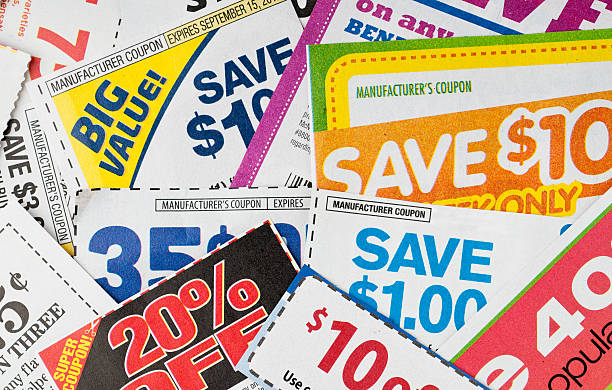
Digital coupon stacking is the practice of applying more than one discount to the same item. Unlike paper coupons from the Sunday circular, which often have strict one-per-purchase rules, digital coupons are frequently designed to be combined with other promotions. The first layer typically comes from store-specific digital coupons clipped within the retailer’s own app. These are often manufacturer offers or storewide deals that deduct a fixed amount or percentage from an item. For example, a grocery chain might offer a digital coupon for fifty cents off a specific brand of yogurt. Clipping that coupon loads it onto your loyalty card, and when you buy the yogurt, the discount automatically applies at checkout.
The second layer involves the store’s weekly sales or ad promotions. These are temporary price reductions available to all shoppers, not just app users. A sale might drop that same yogurt from $1.50 to $1.00. When you combine the fifty-cent digital coupon with the fifty-cent sale, the yogurt becomes free. This is the fundamental stacking principle: coupon plus sale equals maximum discount. However, the pattern extends further when you introduce loyalty programs. Many stores offer bonus rewards or fuel points when you purchase certain items. If the yogurt purchase earns you ten cents off per gallon of gas, you effectively gain value beyond the grocery bill.
The third and most overlooked layer is cash-back apps. Platforms like Ibotta, Fetch Rewards, and Checkout 51 operate independently of the store. After you purchase an item, you scan your receipt and the app credits cash back to your account. These offers stack on top of store digital coupons and sales because they do not interfere with the store’s point-of-sale system. Using the same yogurt example, if you buy it on sale for $1.00 with a fifty-cent store coupon, and then submit your receipt to Ibotta for a twenty-five cent rebate, your final cost drops to twenty-five cents. With multiple items, the savings accumulate rapidly.
A lesser-known technique is the use of store-specific digital coupon rebate programs that are separate from the main loyalty app. For instance, some grocery chains have a separate “savings” app that offers digital coupons that are stackable with those in the primary app. Or they may allow you to load manufacturer coupons from a site like Coupons.com directly onto your loyalty card, and then also use a store coupon from the same manufacturer. The key is reading the fine print. Most digital coupons have a limit of one per transaction or one per item, but they rarely prohibit stacking with other offers unless explicitly stated. If the terms say “cannot be combined with any other offer,” then stacking is off limits. If they say “one per purchase,” that usually means one use of that specific coupon per item, not that you cannot use a different coupon on the same item.
Strategic shoppers also exploit price-matching policies. Some stores will match a competitor’s advertised price on an identical item, and then you can still apply digital coupons from the matching store. For example, if your grocery chain matches Target’s price on cereal, you can buy the cereal at the matched lower price and then apply your store’s digital coupon for an additional discount. This requires awareness of both competitors’ ads and your store’s coupon policies, but the savings can be dramatic.
Timing is another critical element. Digital coupons often have expiration dates tied to weekly ad cycles. The best practice is to wait until an item goes on sale before you use the digital coupon. But you can also hold coupons that have a longer validity period until a sale appears. Many apps allow you to clip coupons and leave them dormant on your account. Mark your calendar for the start of a new ad week, and then check which of your clipped coupons align with the new sale prices. This synergy between timing and stacking is the hallmark of an advanced grocery saver.
Finally, don’t forget the potential of store credit offers and “spend $X, get $Y” promotions. Some apps provide a bonus when you purchase a certain number of items from a brand. If you stack that with a store sale and a manufacturer digital coupon, the effective discount can exceed 100%. For instance, if you buy four cans of soup on sale for $1 each, use four fifty-cent digital coupons (one per can), and the app gives you a $2 bonus for buying four, your total cost for the four cans is $0.00. You walk out with free soup and a receipt that validates the strategy.
Mastering digital coupon stacking requires patience, organization, and a willingness to read the fine print. But the payoff is tangible. Instead of saving ten or twenty percent, you can routinely achieve savings of fifty to ninety percent on targeted items. And because most households spend a significant portion of their budget on groceries, these techniques translate into hundreds of dollars saved annually. The art lies in seeing each discount as a building block, not an isolated event. Stack them wisely, and your grocery bill will shrink while your pantry thrives.