
The allure of a vacation often comes with a built-in budget buster: restaurant meals. A family of four can easily spend over one hundred dollars on a single dinner, and that is before drinks, tips, and the inevitable dessert. Multiply that by a week-long trip, and the food bill can approach or even exceed the cost of accommodation. Yet there is a powerful, often overlooked strategy that turns this expense into an opportunity for deeper travel experiences and significant savings: cooking in your vacation rental. By approaching your trip with the same meal-planning discipline you use at home, you can cut food costs by half or more while enjoying fresher, healthier, and more authentic meals.
The first step to successful vacation cooking is choosing the right rental. Not all accommodations are created equal. Look for a unit that lists a full kitchen, meaning a stove, oven, refrigerator, and at least basic cookware. Many vacation rentals now include essentials like pots, pans, mixing bowls, and even a blender or slow cooker. Reading recent guest reviews can reveal whether the kitchen is well-equipped. A rental with a countertop grill or an outdoor barbecue area adds even more flexibility. Once you have secured a suitable home base, the real savings begin with a pre-trip meal plan.
Before you pack a single suitcase, sit down and map out the meals you will eat during your stay. Breakfasts are the easiest to manage: think oatmeal, eggs, yogurt with granola, or simple pancakes. Lunches can be sandwiches, salads, or leftovers from the previous dinner. Dinners should be chosen based on local ingredients that are both affordable and easy to prepare. For example, if you are visiting a coastal town, plan for grilled fish with a simple vegetable saute. If you are heading to a mountain region, hearty soups, stews, or pasta with a market-fresh sauce are excellent options. The key is to select dishes that use overlapping ingredients to avoid waste. A single package of chicken breasts can become grilled chicken one night, shredded chicken tacos the next, and chicken salad for lunch on the third day.
Next, create a shopping list organized by the stores you will visit. Many travelers make the mistake of buying everything at a generic supermarket, but visiting local farmers’ markets, butcher shops, and specialty grocers can yield better quality at lower prices. A market trip also doubles as a cultural experience. Walking through stalls of unfamiliar produce and chatting with vendors about how to cook a local vegetable or prepare a regional specialty is far more memorable than ordering from a menu. Furthermore, purchasing directly from producers often eliminates the markup that restaurants charge. A bag of heirloom tomatoes, a wedge of artisan cheese, a loaf of crusty bread, and a bottle of local wine purchased at a market can create a picnic feast for a fraction of a restaurant tab.
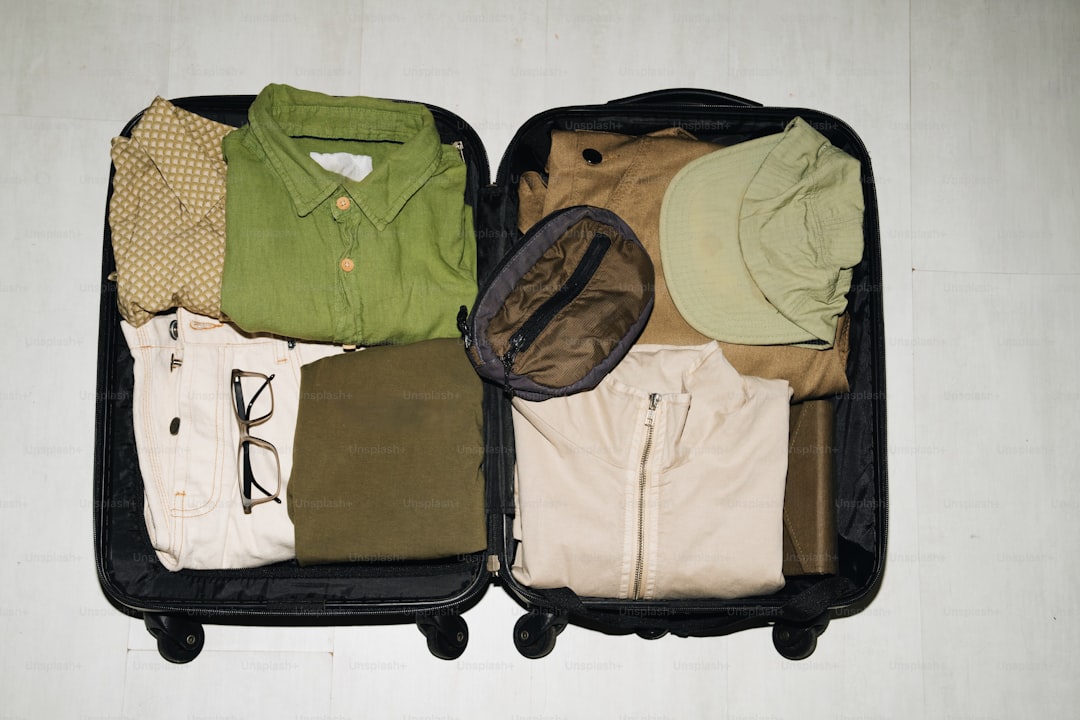
Packing a few essentials from home further reduces costs. Bring a small collection of your favorite spices, a good chef’s knife if the rental’s are dull, a bottle of high-quality olive oil, and a reusable shopping bag. These items not only guarantee you can cook the way you like but also save you from buying full containers of spices you will only use once. If you are flying, pack these in checked luggage or buy them at a discount store upon arrival. The investment of a few dollars will pay off over the week.
Cooking on vacation also aligns with the growing trend of slow travel, where the focus is on immersing yourself in a destination rather than rushing from attraction to attraction. Spending an afternoon preparing a meal with local ingredients becomes part of the adventure. You can invite fellow travelers or new friends you meet to a home-cooked dinner, turning a private rental into a social hub. This approach not only saves money but deepens your connection to the place.
Of course, the goal is not to cook every single meal. Leave room for spontaneity. Maybe one night you decide to treat yourselves to that famous seafood shack down the road, or you grab a slice of street pizza for lunch. By cooking most of your meals, you free up budget for those special dining experiences that truly stand out. The result is a balanced vacation where you eat well, save money, and return home with stories of what you cooked, not just what you ordered.