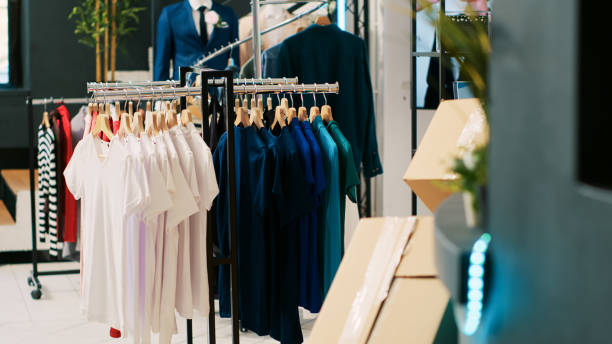

The rise of the circular economy has transformed our relationship with fashion, moving us from a model of pure ownership to one of access. Services that allow you to rent clothing for a weekend wedding or a monthly refresh are now commonplace. But this innovation leads to a practical question for the conscious consumer: can you rent clothing for an extended period, and is it ever better to simply buy what you initially rent? The answer is nuanced, depending on lifestyle, values, and the very nature of the garment in question.
Extended rentals are indeed a growing facet of many clothing rental platforms. Often framed as “subscription” services, these models allow members to keep a set number of items for a month or longer, swapping them out as desired. This model is ideal for individuals who crave constant variety without the commitment of ownership, such as those needing professional attire for a dynamic workplace or parents seeking to outfit fast-growing children. The primary benefit is continuous novelty and reduced closet clutter. However, the long-term financial calculus is critical. Over many months or years, cumulative rental fees can far exceed the retail price of comparable items. Renting long-term is less about cost-saving and more about valuing the experience of variety and the convenience of maintenance—like cleaning and repairs—often handled by the service.
This leads directly to the second part of the question: buying what you rent. Some forward-thinking rental companies have begun to offer “rent-to-own” options or straightforward sales of their inventory. This presents a compelling hybrid model. It allows you to “test-drive” a garment in your real life, assessing its comfort, fit, and versatility before committing capital. For investment pieces like a high-quality blazer or a designer dress you might wear repeatedly, this can be a wise strategy. You pay a premium for the rental period, but that cost can be applied toward the purchase, mitigating the risk of an expensive item languishing in your closet. Essentially, you are paying for a prolonged fitting room and the assurance that the item truly earns its place in your permanent collection.
The decision between long-term renting and buying hinges on several personal factors. First, consider the garment’s intended use. For timeless, versatile staples you will wear frequently, purchasing is typically more economical and sustainable in the long run. For trendy, occasion-specific, or seasonal items you will wear only a handful of times, renting—even for an extended period—prevents waste and clutter. Your personal values are equally important. If minimizing your environmental footprint is paramount, the choice requires careful scrutiny. While renting promotes sharing and maximizes a garment’s use cycle, the logistics of shipping, cleaning, and packaging have their own carbon impact. Owning a high-quality item and wearing it for years is often cited as the most sustainable choice. Conversely, buying cheap, disposable fashion is the least sustainable path of all.
Ultimately, the modern wardrobe can be a blended ecosystem. The most strategic approach may involve a mix: owning a curated foundation of beloved, durable pieces while renting for experimentation, special events, or temporary needs. Before committing to a long-term rental subscription, honestly assess your consumption patterns. Would those funds build a more intentional, owned wardrobe? Or does the service provide a genuine solution to your desire for variety without waste? The power lies in moving from passive consumption to active curation. Whether through extended rental, strategic purchase, or the innovative rent-then-buy model, the goal is a wardrobe that aligns with both your aesthetic and your ethics, ensuring that every piece—whether temporarily accessed or permanently owned—is truly valued.