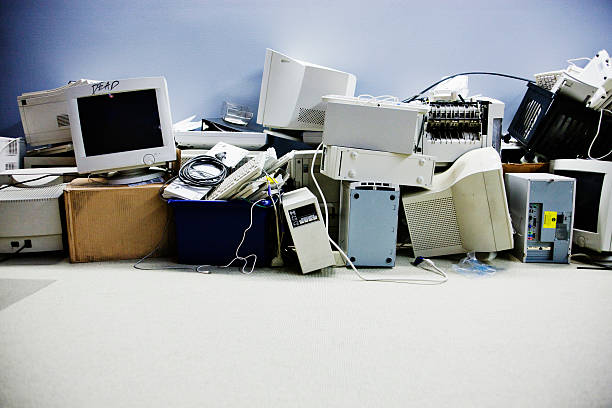

In our rapidly accelerating digital age, the lifecycle of consumer electronics grows ever shorter, leaving many of us holding a defunct smartphone, a shattered tablet, or a laptop that has breathed its last. When these devices have no resale or trade-in value, the temptation to relegate them to the household trash bin is strong. However, this choice carries significant environmental consequences. Fortunately, a spectrum of eco-friendly disposal options exists, ensuring that even worthless gadgets can be handled in a manner that prioritizes planetary health.
The primary reason to avoid the landfill is the toxic payload within many common devices. Smartphones, computers, and televisions contain hazardous materials like lead, mercury, cadmium, and brominated flame retardants. When crushed in a landfill, these substances can leach into soil and groundwater, posing risks to ecosystems and human health. Conversely, these devices also harbor valuable resources, including precious metals like gold, silver, and palladium, as well as recoverable copper, aluminum, and rare earth elements. Responsible disposal recaptures these finite materials, reducing the need for environmentally destructive mining and completing a critical loop in the circular economy.
The most robust and accessible eco-friendly option is to seek out a certified electronics recycler. These specialized facilities go far beyond simple shredding; they employ sophisticated processes to safely dismantle devices, neutralize hazardous components, and systematically recover materials for reuse in new manufacturing. It is crucial to verify the recycler’s certifications, such as e-Stewards or R2, which audit their practices to ensure electronics are not simply exported to developing countries where unsafe recycling methods can endanger workers and communities. Many municipalities offer periodic e-waste collection events, and some even provide permanent drop-off locations. Retailers, particularly large electronics or office supply chains, often operate take-back programs, accepting old items regardless of brand or condition, frequently at no charge.
For devices that are physically broken but not entirely electronically dead, creative reuse presents a charming alternative to recycling. Consider donating specific components to community makerspaces, schools, or artists’ collectives. An old laptop screen could be repurposed into a portable monitor, smartphone cameras can be transformed into DIY photography projects, and circuit boards often find new life as eclectic jewelry or steampunk art. This approach extends the functional life of the materials in a novel form, delaying their entry into the waste stream entirely. Before pursuing component donation, a simple internet search for “e-waste art” or contacting local educational workshops can reveal surprising demand for what you consider worthless.
A critical, often overlooked, step in the disposal process is data security. Even a device destined for dismantling must be cleansed of personal information. For computers and phones, a factory reset is a good start, but for ultimate peace of mind, consult manufacturer guidelines for performing a full data wipe. For storage drives, physical destruction—often offered by professional recyclers—is the most secure method. This safeguards your privacy and ensures that your eco-friendly efforts do not lead to identity theft.
Ultimately, disposing of a valueless electronic device responsibly requires a modest amount of effort—researching a certified recycler, driving to a drop-off point, or inquiring about creative reuse. This effort, however, carries disproportionate weight. It ensures toxic materials are contained, precious resources are reclaimed, and the environmental toll of our digital lives is lessened. In choosing these pathways, we acknowledge that the term “worthless” is a market assessment, not an ecological one. Every device, regardless of its functionality, retains value as a repository of materials and a responsibility we must manage with care for the health of our planet.