


Most shoppers intuitively understand that buying a winter coat in July or a swimsuit in December can lead to significant savings, but few apply the same logic to the world of camping and outdoor recreation gear. The wilderness equipment market is intensely seasonal, with demand peaking sharply from late spring through early autumn. For the savvy consumer, this predictable cycle creates a golden opportunity: purchasing tents, sleeping bags, cookware, and other camping essentials during the off-season can slash prices by fifty percent or more, often for products that are identical to their summer counterparts. Understanding when and how to buy off-season camping gear requires a shift in mindset from impulse-driven summer browsing to strategic, forward-looking planning. Yet the rewards are substantial—not only in dollars saved but also in the quality of equipment you can afford.
The off-season for camping gear generally spans from October through February. Retailers need to clear out inventory to make room for holiday merchandise, winter sports equipment, and eventually the next year’s spring lineup. This clearance cycle follows a predictable pattern. As autumn settles in, stores begin marking down summer stock. By November, deep discounts appear on items that would have sold at full price just two months prior. The best deals often surface between Black Friday and the end of January, when retailers are desperate to move leftover stock. However, the window is narrow: by March, new spring inventory starts arriving, and remaining clearance items may be picked over or discontinued. The trick is to know exactly what you need before the sales begin, so you can strike when the price is right.
One of the most significant advantages of off-season camping gear shopping is the ability to buy premium brands and higher-quality materials at mid-range prices. A four-person tent that retails for four hundred dollars in June might be available for under two hundred in December. Similarly, down sleeping bags rated for twenty degrees Fahrenheit can drop from three hundred dollars to one hundred fifty or less. The reason is simple: manufacturers and retailers operate on slim margins during peak season, but off-season clearance allows them to recoup some cost on unsold inventory rather than let it sit in warehouses until the following year. For the consumer, this means accessing gear that would otherwise be out of budget.
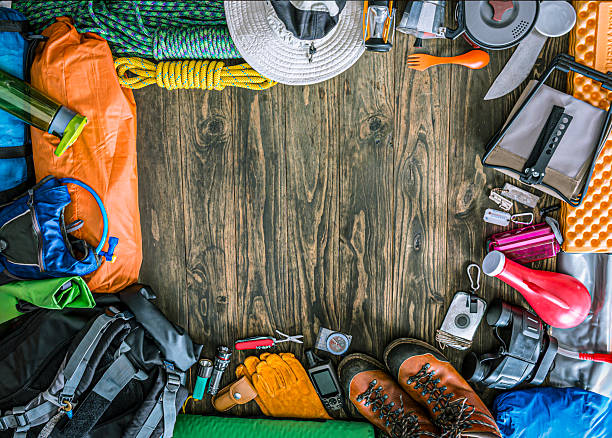
Another often overlooked category is camping cookware and accessories. Stoves, lanterns, water filters, and portable chairs are highly seasonal items. While a lightweight backpacking stove might seem like a niche purchase, it is exactly the kind of product that sees massive markdowns in winter. Retailers know that casual campers rarely think about cooking equipment in January, so they slash prices to clear shelf space for snow shovels and ice scrapers. The same logic applies to camping furniture: folding tables, camp chairs, and hammocks can often be found at clearance prices of thirty to forty percent off. For anyone who enjoys car camping or backyard cookouts, buying these items off-season is a no-brainer.
Naturally, off-season shopping comes with its own set of challenges. The most obvious is that you cannot use the gear right away. A tent purchased in February might sit in its box until May, which means you need storage space and patience. More importantly, you must be absolutely certain about the product’s quality and specifications because returning clearance items is often difficult or impossible. Many retailers enforce final sale policies on deeply discounted seasonal merchandise. Therefore, it is essential to do your homework beforehand. Read detailed reviews, watch video demonstrations, and check the manufacturer’s website for accurate dimensions and features. If possible, visit a store during the summer to physically examine the tent or sleeping bag you intend to buy later, taking note of the model number. Then, when the price drops, you can purchase with confidence.
Another nuance is that off-season inventories are typically limited to leftover stock, which means sizes, colors, or specific configurations may be scarce. If you have your heart set on a particular color or a specific tent capacity, you may need to act quickly when the sale begins. Subscribing to retailer newsletters and setting up price alerts can give you an edge. Additionally, consider shopping at outdoor specialty stores rather than big-box retailers. Specialty stores often carry higher-end gear and are more motivated to clear out seasonal inventory because they have limited floor space. Their clearance sales can be astonishingly deep, with some items marked down by seventy percent or more. Online retailers like REI, Moosejaw, and Backcountry typically hold major seasonal clearance events, but you must monitor their websites regularly because the best deals disappear within hours.
For the truly dedicated bargain hunter, there is also the option of buying used or refurbished camping gear off-season. Platforms like Craigslist, Facebook Marketplace, and GearTrade see a flood of listings from people who bought gear for a single trip and then stored it. In the winter, sellers are eager to offload items they no longer need, and you can negotiate prices well below even the best retail clearance deals. Just be careful to inspect used gear for wear, mildew, or damage, especially with tents and sleeping bags where waterproofing and insulation are critical. Refurbished items from reputable manufacturers often come with a warranty and can be an excellent middle ground between new and used.
Ultimately, the off-season strategy is not about sacrificing quality for savings; it is about aligning your purchasing timeline with the natural rhythms of the market. By buying camping gear when demand is lowest, you bypass the premium that peak-season shoppers pay. The discipline required to plan ahead and resist impulse summer purchases pays dividends in both your wallet and your outdoor experience. Instead of settling for a mediocre tent because it was the only one in your budget during a last-minute trip, you can own the high-performance model you truly wanted—at half the price. The next time you return from a summer camping trip, take a moment to note which items you wish were better, lighter, or more durable. Then, wait for winter. The deep discounts will be waiting for you.