
The allure of used clothing is undeniable, offering a pathway to sustainable fashion, unique finds, and significant savings. However, navigating the world of secondhand garments, whether in thrift stores, online marketplaces, or vintage boutiques, requires a discerning eye. Without the safeguards of traditional retail, shoppers can easily encounter disappointments that turn a treasure hunt into a regrettable purchase. To ensure your pre-loved pieces bring joy rather than frustration, it is crucial to avoid several common mistakes.
A primary error is neglecting a thorough inspection of the garment. The excitement of finding a designer label or a perfect style can lead to a rushed purchase, but failing to examine an item closely is a recipe for regret. Shoppers must move beyond a cursory glance and scrutinize for flaws. This includes checking the seams for unraveling threads or weak spots, examining the armpits and collars for stubborn stains or discoloration, and inspecting zippers and buttons to ensure they function correctly. Special attention should be paid to delicate areas like the elbows of sweaters or the inner thighs of jeans for signs of thinning fabric or holes. Holding the item up to the light can reveal pilling, moth damage, or fading that might not be immediately apparent under store lighting. Overlooking these details means you might bring home an item that is unwearable or requires costly repairs.
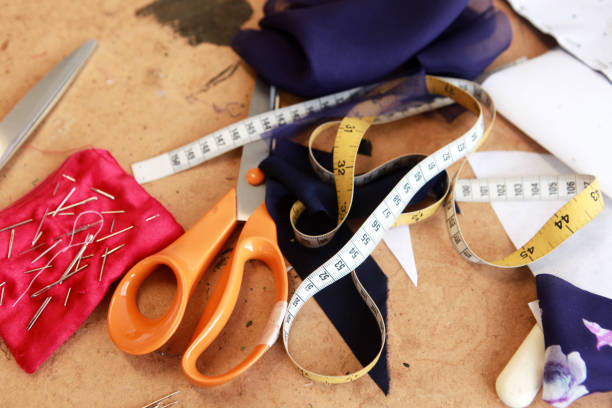
Equally important is the mistake of ignoring fit and comfort due to the absence of fitting rooms or the inconvenience of trying things on at home with the intent to return. Sizing is notoriously inconsistent across brands and eras, making assumptions based on the tag a risky gamble. A garment that looks beautiful on a hanger may have an unflattering cut, restrictive armholes, or an uncomfortable waistline. Savvy secondhand shoppers often carry a soft measuring tape to check key measurements like bust, waist, hips, and inseam against their own or a favorite garment. Furthermore, considering fabric composition is vital; a scratchy wool blend or a non-stretchy material might not offer the comfort you expect. Purchasing an item that doesn’t fit properly or feel good on the skin ensures it will languish in the back of the closet, negating any ethical or financial benefit.
Another frequent misstep involves impulsive buying driven by low price alone. The “it’s only five dollars” mentality can lead to accumulating a wardrobe of mediocre items that do not truly align with one’s personal style or existing closet. This approach contradicts the sustainable ethos of secondhand shopping by promoting thoughtless consumption. Instead, it is beneficial to shop with intention, having a mental list of gaps in your wardrobe or specific items you seek. Ask yourself if you can envision at least three outfits with the piece, if it complements your lifestyle, and if you are buying it for its true value rather than its discounted price. This mindful approach cultivates a curated, loved wardrobe and prevents clutter.
Finally, many buyers forget to consider the cost and feasibility of necessary repairs or alterations. A stunning vintage dress with a broken zipper or a pair of trousers that need hemming may seem like a simple fix, but these services can be expensive. It is essential to honestly assess your own sewing skills or budget for a tailor before committing. If an item requires significant work, factor that cost into the total price to determine if it remains a good deal. Similarly, overlooking care instructions can be disastrous. A “dry clean only” label on a delicate silk blouse adds a recurring maintenance cost, while improper washing of a vintage find could ruin it entirely. Understanding the long-term care commitment is part of a responsible purchase.
In conclusion, while buying used clothing is a rewarding endeavor, success hinges on mindful practices. By meticulously inspecting for damage, prioritizing true fit and comfort over labeled size, resisting impulsive buys fueled by price tags, and realistically accounting for repairs and care, shoppers can transform their secondhand experiences. Avoiding these common mistakes ensures that each pre-loved find is not just a purchase, but a valuable and lasting addition to a thoughtful wardrobe.