Stop Guessing and Start Tracking: How Historical Price Data Wins You the Deal

You see a $200 pair of noise-cancelling headphones marked down to $129. The red discount tag screams “sale,” your pulse quickens, and you add them to your cart before the price mysteriously reverts to full. Congratulations, you just fell for retail theater. That so-called bargain might be the same price those headphones have been every single Tuesday for the past eight months. The uncomfortable truth is that retailers know exactly how to trigger your urgency, and they have built entire pricing algorithms designed to make you feel like you’re winning while they’re quietly laughing to the bank. The only way to stop being a pawn in that game is to bring your own data to the table.
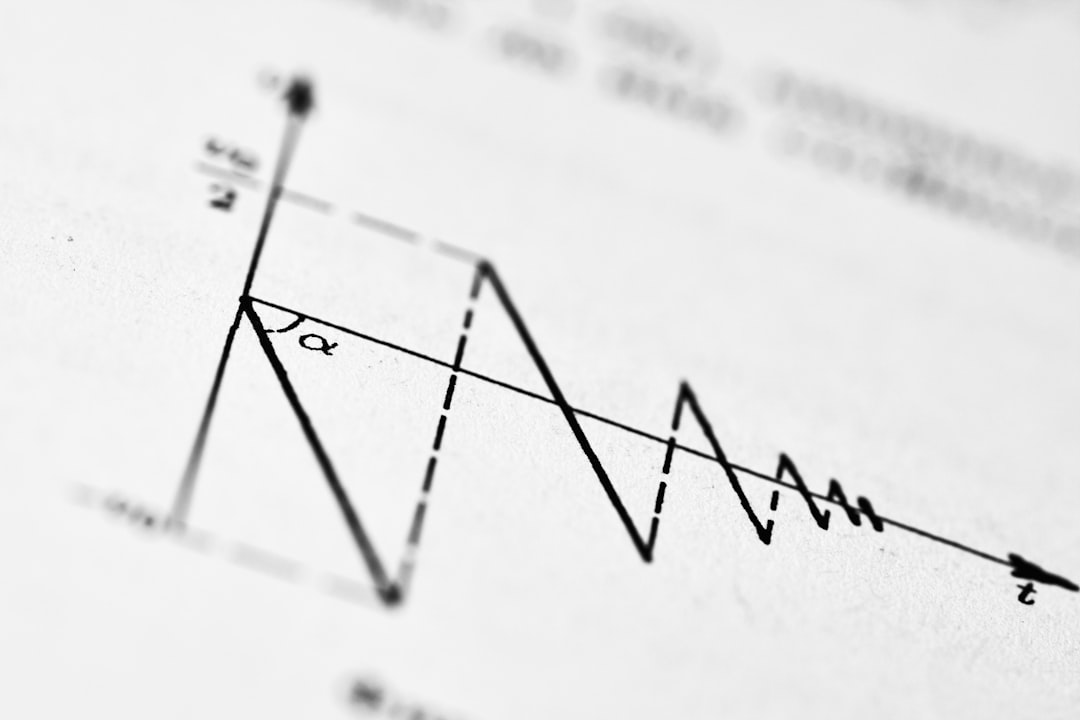
Historical price tracking is the practice of looking at how the price of an item has fluctuated over weeks, months, or even years before you decide to buy. It sounds almost too simple, but most shoppers never do it. Instead, they rely on fleeting impressions of what a “good deal” looks like, based on a single glimpse of a yellow sticker or a countdown timer. That approach is exactly what savvy merchants count on. Fortunately, a handful of free tools exist that record price histories for thousands of products across major online retailers. You can type in a product, pull up a graph that shows every peak and valley, and instantly know whether that $129 price is genuinely low or just a cleverly positioned average.
The most valuable insight you gain from this kind of tracking is recognizing patterns that repeat with boring reliability. Consumer electronics, for instance, follow a brutal cycle. A brand new laptop or television launches at a premium price, then steadily declines over the following months until a newer model pushes it into steep clearance territory. But that decline is rarely a straight line. Prices bob up and down around retail holidays, back-to-school season, and obscure “deals” events invented by the stores themselves. If you only look at the price on a given day, you’re shooting in the dark. If you look at six months of history, you can spot the seasonal floor. You’ll notice that a particular blender drops to $80 every Black Friday, then jumps to $110 for the rest of the year. Knowing that thirty seconds of research allows you to either wait for the floor or decide that $90 is still acceptable if you need it right now.
What makes historical data even more powerful is setting a target price and letting technology do the waiting for you. Most price tracking tools allow you to create alerts that email you or buzz your phone when an item falls below a threshold you define. Instead of obsessively refreshing product pages, you simply set your number and move on with your life. This feels like cheating, and it absolutely is. You are no longer at the mercy of random email blasts or flash sales. You become the one who decides when a price is worthy of your money. And because you’re setting that threshold based on actual past performance, not a gut feeling, you avoid two common traps. The first trap is overpaying for something that looks discounted but isn’t. The second, even sneakier trap is waiting for a mythical rock-bottom price that never comes because the product rarely goes below a certain point.
Patience is a muscle, and price tracking strengthens it in a strangely satisfying way. After a few weeks of watching a smartwatch move up and down like a gentle heartbeat, you start to feel a strange sense of calm. The urgency evaporates. A limited-time sale no longer feels like a threat because you’ve already seen this movie. You know that if you miss today’s price, another one will come around. Retailers know that most consumers suffer from loss aversion—the fear of missing out is far stronger than the joy of getting a good deal. Tracking reverses that equation. You begin to enjoy the game of watching and waiting, knowing that the longer you observe, the better your odds. It turns shopping from an impulsive expense into a calculated acquisition.
Take a real-world example. A popular stand mixer might list for $450 everywhere, but history shows it dips to $299 every few months, often around January and after the winter holidays. If you track it, you see that clear pattern. Without tracking, you’re just hoping to stumble on that $299 price by luck, or worse, you get talked into buying it at $379 because a store banner claims it’s “$71 off.” That extra $80 you wasted is not a tragedy, but it’s also not a bargain. Multiply that mistake across dozens of purchases throughout the year, from expensive tools to everyday items like coffee beans and laundry detergent, and you’re losing hundreds, even thousands, of dollars simply because you refused to pay attention.
The tools themselves require almost no effort to set up. A simple browser extension can overlay a price history graph directly on a product page, which means you never have to leave the retailer’s website to check if you’re being fooled. That single addition to your digital life will change how you see every online sale. Suddenly, the “limited time” deals look less like treasure chests and more like a predictable treadmill. Once you internalize that reality, you stop buying things on a whim. You start buying things at their best possible price, and that is not just about saving a few dollars. It’s about taking control of your spending, making deliberate choices, and feeling genuinely satisfied that you outsmarted the system on your own terms.