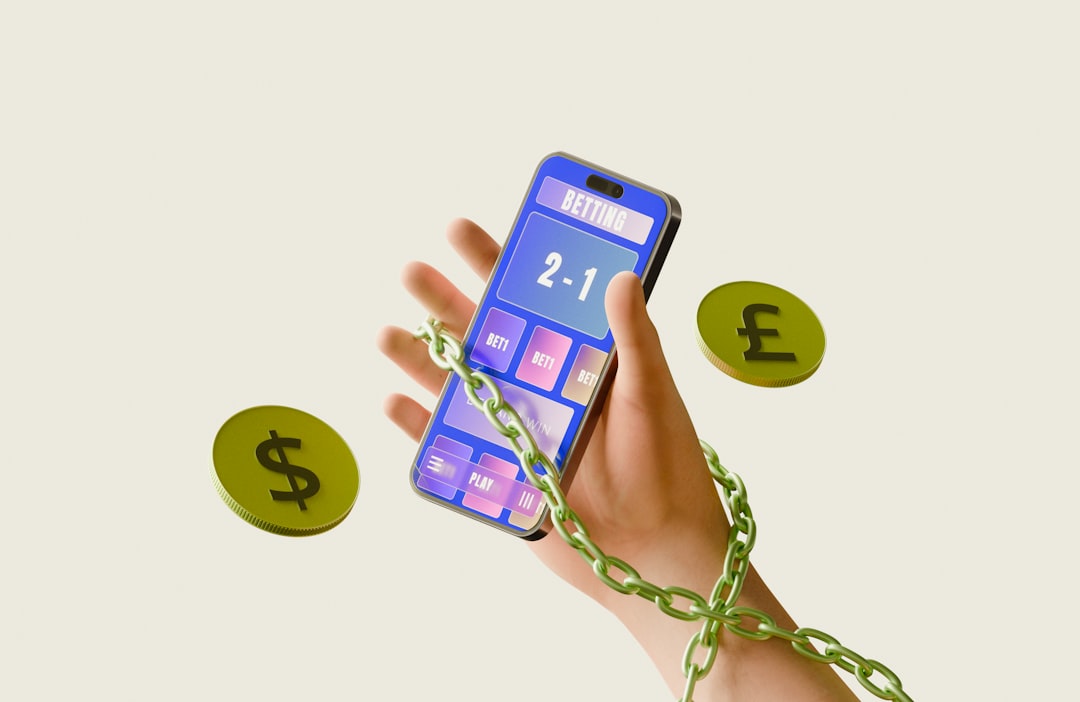

The human brain is wired for instant gratification. When you see a shiny new gadget, a limited-time sale, or a pair of shoes that seems to call your name, your limbic system lights up with dopamine, the neurotransmitter of desire. In that moment, the prefrontal cortex—your rational decision-maker—is often overruled. That is why the most powerful tool in your financial toolkit is not a budgeting app or a coupon code, but a simple pause. The 24-hour rule for purchases is more than a delay tactic; it is a neurological reset that transforms your relationship with money and creates a foundation for lasting financial habits.
Why does the 24-hour rule work so effectively? Because it exploits the gap between emotion and logic. When you first encounter a tempting item, your brain is flooded with excitement, scarcity cues, and social pressure. Online, countdown timers and “only 3 left” messages are designed to short-circuit your reasoning. In a store, bright lighting and strategic placement do the same. By imposing a mandatory 24-hour waiting period, you force your emotional brain to cool down. The next day, the dopamine spike has faded, and your prefrontal cortex can ask the rational questions: Do I need this? Do I already own something similar? Does this fit my budget and goals? More often than not, the answer is no, and thousands of dollars over the course of a year stay in your pocket.
The beauty of this rule is its flexibility. It does not require a complex spreadsheet or a ban on all discretionary spending. Instead, it asks you to honor a single commitment: never buy anything over a certain threshold—say, twenty dollars—on the same day you see it. You can set a lower threshold if you find yourself nickel-and-diming on small impulse items like coffee or snacks, or a higher one for larger purchases like electronics or furniture. The key is consistency. Over time, you will notice a shift in your impulse control. Your brain learns that waiting is safe, that the item will likely still be available tomorrow (or that you didn’t really want it after all), and that saying no today feels far better than buyer’s remorse tomorrow.
To supercharge the 24-hour rule, integrate it with automated savings. When you feel the urge to buy something nonessential, instead of pulling out your wallet, open your banking app and move the same amount of money into a dedicated savings account. If the item costs fifty dollars, transfer fifty dollars to your emergency fund or your vacation savings. This action does two things. First, it satisfies the immediate urge to “do something” with your money, replacing the purchase with a positive financial behavior. Second, it creates a Pavlovian reward: saving feels good. Over months, you will build a substantial cushion without the pain of deprivation. Automating this transfer using a recurring rule—for example, a standing instruction that every time you “save” an impulse purchase amount, you also put an extra five dollars in—turns a simple delay into a growth engine.
Another powerful variation is the “30-day list.” Instead of a single day, write down the item you want and the date. For the next thirty days, force yourself to revisit that list only once a week. If after a month you still want it, and it fits your budget, buy it. This extended version works exceptionally well for big-ticket items because it reveals whether the desire is a fleeting fancy or a genuine need. Most items that survive a 24-hour test will not survive a month. The list method also reduces decision fatigue: you only have to think about purchases on set review days, freeing your mental energy for more important choices.
Critics argue that the 24-hour rule is too rigid, that sometimes a true bargain requires immediate action. But careful examination shows that genuinely urgent deals are rare. A limited-time sale on a necessity you already planned to buy—like a winter coat at 50 percent off in September—can be an exception. For those cases, set a personal rule: if the purchase is over your threshold and the sale ends within 24 hours, delay for at least four hours. That short pause is often enough to check your budget, compare prices, and ensure it is not a marketing trick. Most retailers use fake scarcity; authentic emergency purchases are far less common than your brain believes.
Implementing the 24-hour rule also has an unexpected side effect: it increases satisfaction from the purchases you do make. When you wait and then decide to buy, you do so with intention and clarity. You own the item without guilt, and you appreciate it more because you chose it rather than falling for a trigger. This mindset shift is the essence of mindful spending, a cornerstone of building financial habits that last.
Finally, pair the rule with a weekly review of your spending. Every Sunday, look at the “saved” impulse amounts. Celebrate the avoided purchases as wins. Over time, you will see a pattern: most urges pass, your savings grow, and your financial confidence skyrockets. The 24-hour rule is not a restriction; it is a liberation from the tyranny of impulse. Start today. The next time you reach for your credit card, stop. Wait. Tomorrow, you will thank yourself.