
Every purchase begins as a thought, a fleeting desire that flickers in the mind for just a moment before it demands action. The difference between financial freedom and persistent debt often lies not in how much you earn, but in how carefully you respond to that initial impulse. The twenty-four-hour rule is a simple, behavioral tool that introduces a deliberate pause between the urge to buy and the act of spending. By forcing yourself to wait a full day before committing to a non-essential purchase, you create a buffer that separates emotional want from rational need. This one practice, when paired with automated savings strategies, can transform your relationship with money and build long-term financial habits that stick.
The psychology behind the twenty-four-hour rule is rooted in the way our brains evaluate pleasure. When you see a desirable item—a new gadget, a trendy piece of clothing, or a heavily discounted tool you do not actually need—your brain’s reward system releases dopamine, a neurotransmitter that signals anticipation and excitement. That chemical rush is what makes impulse buying feel so satisfying in the moment. But dopamine peaks quickly and fades just as fast. The twenty-four-hour pause allows that initial high to dissipate, letting your prefrontal cortex—the rational, decision-making part of your brain—reassert control. After a day, many items that seemed essential suddenly appear frivolous, and the emotional urgency vanishes. You are left with a clear-eyed assessment: do I truly want this, or did I just want the thrill of wanting?
Implementing this rule does not require willpower alone; it works best when integrated into an environment that respects your future self. The most effective method is to automate the delay. For online shopping, add the item to a wishlist or a dedicated “pending purchases” folder. Set a calendar reminder for the next day, or better still, schedule it for forty-eight hours if the item is expensive. For in-store purchases, take a photograph of the product and the price tag, then walk away. Tell yourself you will return tomorrow if you still feel strongly about it. In the vast majority of cases, you never go back. This simple ritual trains your brain to associate purchases with patience rather than impulse, and over time it becomes an automatic habit.
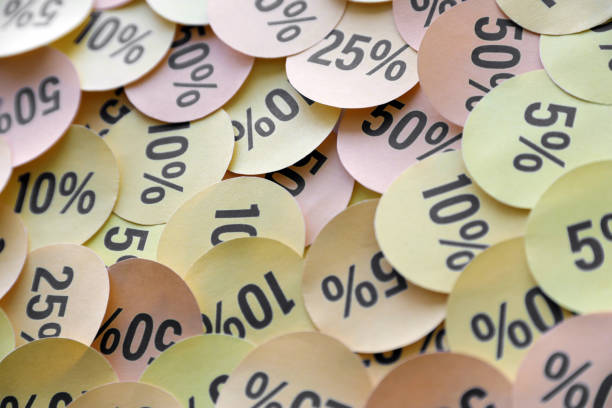
The twenty-four-hour rule is particularly powerful when applied to large, infrequent expenses—electronics, furniture, vacations, or vehicles. These big-ticket items often come with high emotional stakes and aggressive marketing tactics designed to create a sense of scarcity. “Only two left in stock,” “Sale ends tonight,” or “Exclusive discount for first-time buyers” are all triggers meant to bypass your rational mind. By imposing a mandatory twenty-four-hour waiting period, you give yourself the opportunity to research alternatives, compare prices, check reviews, and assess your budget honestly. In many cases, you discover that the item is available elsewhere for less, or that you do not actually need it at all. Over a year, the savings from just a few such avoided purchases can amount to hundreds or thousands of dollars.
Even for everyday small purchases—a coffee from a café, a snack at the checkout counter, a cheap accessory from an online flash sale—the rule can be adapted. Instead of a full day, a ten-minute pause is often enough. Ask yourself: can I buy this tomorrow? If the answer is yes, then there is no harm in waiting. If the answer is no because the opportunity will disappear, that is precisely the red flag that signals a manipulative sales tactic. The underlying principle remains the same: separate the emotional compulsion from the actual decision.
To maximize the impact of the twenty-four-hour rule, pair it with automated savings. When you successfully avoid an unnecessary purchase, transfer the amount you would have spent into a dedicated savings account or an investment vehicle. Many banking apps allow you to set up automatic micro-transfers based on spending triggers, or you can simply round up every purchase to the next dollar and send the difference to savings. Over time, these “saved” impulse dollars accumulate into a meaningful fund that can be used for goals you genuinely care about—a vacation, an emergency cushion, or debt repayment. The combination of behavioral delay and automated action creates a virtuous cycle: each time you wait, you are not only saving money but also reinforcing the habit of thoughtful spending.
Critics sometimes argue that the twenty-four-hour rule robs life of spontaneity and joy. Yet the opposite is true. By eliminating the regret that follows impulsive purchases, you free up both money and mental energy for experiences and items that bring lasting satisfaction. The rule does not prevent you from buying things you truly value; it simply ensures that every purchase is intentional. When you do buy, you do so with confidence and without guilt, knowing that you have made a considered choice.
Ultimately, the twenty-four-hour rule is not about deprivation. It is about reclaiming control over your financial life. It transforms spending from a reactive habit into a deliberate act, and it trains your brain to prioritize long-term wellbeing over short-term gratification. In a world engineered to exploit your impulsivity, waiting one day is the most elegant act of rebellion you can perform. That single pause, repeated day after day, builds the foundation of a future where your money works for you, not against you.