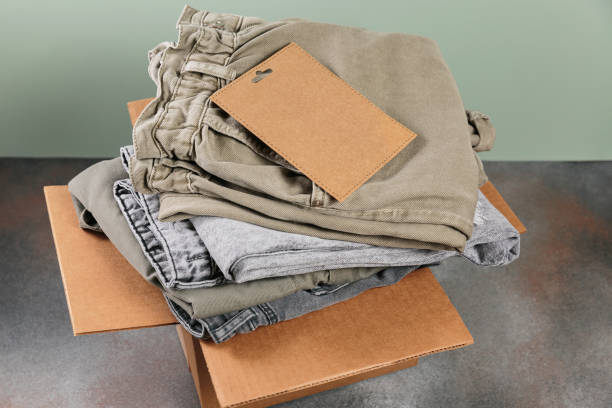

Hosting a clothing swap with friends is a brilliant way to refresh your wardrobe for free, reduce textile waste, and strengthen community bonds. Yet even the most meticulously planned swap leaves behind a pile of garments no one wanted—those faded tees, oddly shaped jackets, or pieces with stubborn stains. Instead of relegating these leftovers to the landfill or a guilt-ridden donation bin, consider them a raw material for creative repurposing. The true cost-saving magic of a swap extends far beyond the initial exchange; it lies in how you handle the remains. With a little imagination, those unloved items can become new treasures, household staples, or even profit-generating projects.
One of the simplest transformations is turning unloved tops into reusable cleaning cloths. Cut cotton T-shirts, flannel shirts, or soft sweaters into squares, hem the edges if you have a sewing machine, and use them to replace paper towels. This single act saves money on disposable cleaning products while diverting fabric from the waste stream. For thicker garments like denim jeans or corduroy pants, cut them into strips and braid them into durable rugs, pot holders, or dog toys. A denim rug made from leftover jeans can last for years and adds a rustic, handmade touch to any room. If you have a friend who quilts or makes patchwork blankets, offer them a box of fabric scraps from your swap—they will likely return the favor with a beautiful finished piece, building a barter economy that multiplies your savings.
For those with basic sewing skills, leftover clothing offers endless possibilities for mending and upcycling. A dress with a torn hem can become a stylish tunic or a decorative pillow cover. A pair of trousers with a broken zipper can be turned into shorts or a laptop sleeve. Even fabric with small stains can be salvaged by cutting around the blemishes and using the clean portions for appliqué, patchwork, or lining a homemade bag. The key is to sort leftovers by fabric type and condition before they pile up. Denim, cotton, linen, and wool each have distinct reuse potentials. Wool sweaters, for instance, can be felted in hot water and then cut into coasters, mittens, or even slippers. The process is simple, requires no sewing machine for some projects, and yields items that would cost ten times as much if bought new.
If you are not crafty, consider organizing a second-chance event for the leftovers. Host a “free table” at a local community center, library, or school. Post a notice on a neighborhood social media group offering the remaining clothes for free, asking only that people take what they need. This extends the life of the garments beyond your immediate circle and may inspire others to host their own swaps. Alternatively, partner with a local theater group, school drama department, or costume shop. They often need cheap fabric for costumes, props, or stage rags. You might also contact a textile recycling company that accepts worn or stained clothing and pays by the pound. While the payout is modest, it recovers a few dollars that can offset the cost of snacks or decorations for your next swap.
Another overlooked opportunity is transforming leftover textiles into gift wrap. Fabric remnants make beautiful, reusable wrapping for birthdays and holidays. Instead of buying expensive paper that gets thrown away, cut shirts into squares and tie them with ribbon or string. The recipient can reuse the fabric for their own crafts, creating a cycle of waste reduction. You can also turn fabric strips into hair ties, scrunchies, or headbands—simple projects that sell well at local markets or on online platforms. A single leftover cotton dress might yield a dozen scrunchies, each fetching a few dollars. That turns a piece of unwanted clothing into a small profit stream, further offsetting your personal clothing budget.
The most satisfying solution, however, is to build a culture of sharing beyond the swap itself. Organize a “take what you need” box in your garage or laundry room that friends can access between events. Encourage swap participants to drop off clothes they no longer want at any time, not just during the official exchange. This continuous circulation means fewer items ever reach a landfill, and everyone benefits from a constantly rotating wardrobe. Over time, you will notice that the pile of leftovers shrinks because participants become more intentional about what they bring and what they keep. They start to see every garment as a resource with multiple lives.
Ultimately, the leftover clothing from your swap is not waste; it is an invitation to be resourceful. By embracing creative reuse, you save money on household goods, crafts, and gifts while reducing your environmental footprint. You also deepen your relationship with the clothes you own, transforming shopping from a passive consumer activity into an active, imaginative practice. The next time you pack away unsold or unwanted garments after a swap, pause before bagging them for donation. Imagine instead a stack of cleaning cloths, a braided rug, a batch of scrunchies, or a gift for a friend. Every piece of fabric has a second act waiting to be written. Your wallet and the planet will thank you.