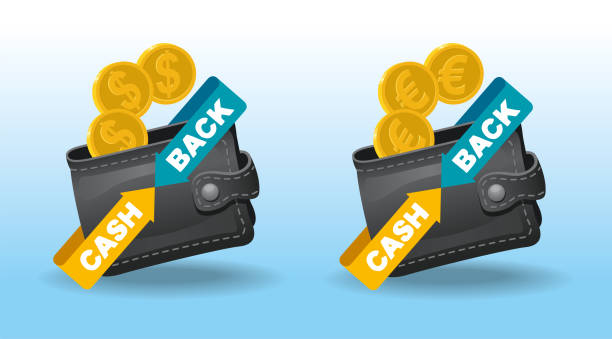

In the bustling world of digital commerce, the smartest shoppers know that the best deals are rarely found in a single discount. Instead, they master the art of layering—combining multiple cash back opportunities to turn routine purchases into significant savings. While a single cash back app might return one or two percent on a grocery trip, stacking it with a browser extension, a rewards credit card, and a store loyalty program can push that number into double digits. Understanding how to layer these tools without violating terms is the key to unlocking consistent, effortless savings on the purchases you already make.
The foundation of any cash back strategy begins with a reliable cash back app or website. Platforms like Rakuten, Swagbucks, or TopCashback offer anywhere from one to fifteen percent back at thousands of retailers, from big-box chains to niche online boutiques. The trick here is to activate the offer before every purchase—a habit that becomes second nature when using browser extensions. Most cash back portals have their own browser add-ons that automatically remind you when a retailer you are visiting offers a rebate. By clicking to activate the cash back, you ensure that the shopping portal tracks your transaction and credits your account. This single step alone can save you hundreds of dollars a year, but it is only the first layer.
Next, layer in a general-purpose cash back credit card. Cards that offer flat two percent cash back on all purchases, such as the Citi Double Cash or a comparable card from a credit union, provide a baseline return that works with every cash back portal. Crucially, the cash back from the app and the cash back from your credit card are independent—there is no conflict. When you buy a $100 item through a portal offering 5 percent cash back and pay with a 2 percent cash back card, you earn $5 from the portal and $2 from the card, totaling $7. Over the course of a year, these combined percentages compound nicely. Some shoppers prefer rotating category cards that offer higher returns at certain merchants, but a flat-rate card ensures you never lose out on the base layer regardless of where you shop.
A third layer comes from browser extension tools like Honey, Capital One Shopping, or Coupert. These extensions serve a dual purpose: they automatically apply coupon codes at checkout, and some also offer their own cash back or rewards points. While the coupon functionality is separate from cash back, it directly reduces the total you pay, meaning your cash back percentages calculate from a lower base. For example, if a 10 percent off coupon saves you $10 on a $100 purchase, your cash back from the portal—say 5 percent—now applies to $90, earning you $4.50 instead of $5. However, that $10 coupon plus $4.50 cash back plus $1.80 from your credit card (2 percent of $90) equals $16.30 saved—far better than just the $5 portal cash back alone. The key is to test whether the coupon code stacks with the portal offer, as some retailers restrict using both. Most browser extensions now display compatibility warnings, but it is wise to read the fine print.
Store-specific loyalty programs add another powerful layer. Many retailers, including Target, Walmart, and Kroger, offer their own cash back or rewards when you shop through their app or use a co-branded credit card. For instance, Target’s Circle program provides 1 percent back on all purchases, which can stack with a cash back portal that also gives a small bonus at Target. However, be aware that some portals exclude purchases made through a store’s own app or with a store card. A workaround is to shop through the portal’s website rather than the retailer’s app, then apply your store loyalty number at checkout. This ensures you earn both the portal cash back and your store rewards. For grocery chains, consider using a dedicated grocery cash back app like Ibotta or Fetch Rewards, which allow you to scan receipts after purchase. You can combine Ibotta’s individual item rebates with your portal cash back and credit card rewards, provided the retailer does not explicitly forbid it.
Timing is also a crucial factor in maximizing layers. Many cash back portals offer bonus weekends or higher rates during holiday sales. By waiting to make a purchase until such a promotion aligns with a elevated credit card category (e.g., a card offering 5 percent back at department stores this quarter), you can triple-dip. Subscribe to newsletters from your favorite cash back sites and mark your calendar for known sale events like Black Friday, Prime Day, or back-to-school season. Additionally, some credit cards provide purchase protection or price matching that can refund the difference if an item goes on sale within a certain period—another layer of savings that often goes unused.
Finally, track your savings meticulously. Use a simple spreadsheet or a note on your phone to record each purchase’s layers: portal percentage, extension coupon savings, credit card cash back, and any store rewards. This practice not only confirms that all credits post correctly—many portals require a few weeks to verify—but also reveals which combinations work best for different retailers. Over time, you will develop a personalized playbook. For example, you might learn that buying electronics through Rakuten with a Chase Freedom card yields the best returns, while groceries are optimized with Ibotta and a flat-rate card.
The beauty of layering is that it requires minimal extra effort after the initial setup. Install a few browser extensions, keep your credit card in your wallet, and make a habit of opening your cash back portal before shopping online. In-store, use your card and scan receipts into receipt-scanning apps. These small habits accumulate into substantial annual savings—often enough to fund a weekend getaway or a holiday gift stash. By layering cash back apps, credit card rewards, coupon extensions, and store loyalty programs, you transform everyday spending from a routine expense into a rewarding financial habit.