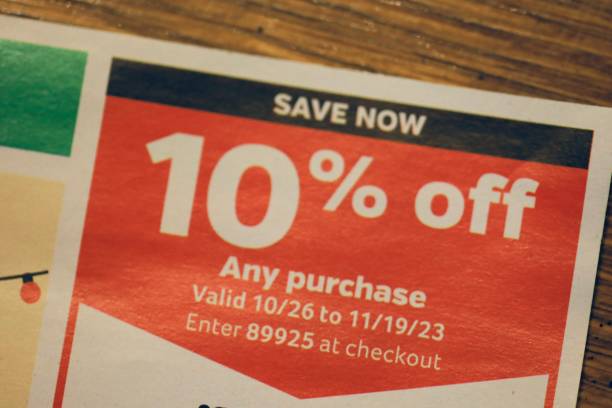
The Art of Stacking Cash Back and Coupons for Maximum Savings

In the modern consumer landscape, earning cash back on everyday purchases has evolved far beyond the simple rebate check. The most savvy shoppers have discovered that the real power lies not in using any single savings method, but in layering multiple strategies to create a compounding effect. This technique, known as stacking, allows you to capture savings from cash back portals, browser extensions, credit card rewards, and digital coupons all on the same transaction. When done correctly, stacking can turn a routine grocery run or an online clothing order into a deeply discounted experience, often recovering ten to twenty percent or more of the purchase price. The key is understanding how each piece fits together and which combinations are permissible without violating the fine print.
The foundation of any stacking strategy begins with a reliable cash back portal. These websites, such as Rakuten, TopCashback, or Swagbucks, partner with thousands of retailers to offer a percentage of your purchase back as cash. The magic happens when you access the portal first, click through to the retailer of your choice, and then complete your purchase as usual. The cash back is tracked by a cookie placed in your browser, and the reward typically appears in your account within a few days to weeks. However, many shoppers stop there, unaware that they can simultaneously apply digital coupons, promo codes, and loyalty discounts. Because the portal earns a commission from the retailer regardless of whether you use a coupon, most portals allow you to combine their cash back with any store-offered discount code, as long as the code is not an exclusive affiliate code that would override the portal’s tracking. The trick is to test your coupon before finalizing the order: if the portal’s cash back disappears from your account summary or the site warns that using a code may void the reward, you have likely triggered a conflict. In that case, you must decide which offers the better value.
Browser extensions add another layer to the stack. Tools like Honey, Capital One Shopping, and Coupert automatically scan for available coupon codes at checkout and apply the best one. They also often have their own cash back or rewards programs, sometimes even layering on top of a portal. For example, you might click through a cash back portal, then use the Honey extension to apply a coupon. In most scenarios, the coupon will still apply, and the portal will still track the purchase because you arrived via their link. However, some extensions can interfere with the portal’s tracking cookie if they redirect your browser or insert their own referral link. To avoid this, disable the extension’s automatic “apply coupon” feature and manually paste a code you find through the extension instead. Alternatively, use one extension at a time, and always keep the portal’s click as your primary entry point.
Credit card rewards represent the third prong of the stacking trident. Many cards offer bonus cash back or points on certain categories like groceries, gas, or online shopping. By using a card that earns three percent back on supermarket purchases while you have already secured two percent through a portal and a ten percent off coupon, you are effectively earning more than fifteen percent back on that transaction. The cash back from your card is not affected by the portal or coupon, since it is issued by your bank independently. The only catch is that you must remember to pay your balance in full each month, as interest charges will quickly eliminate any gains.
Loyalty programs and store credit cards introduce additional opportunities. Retailers like Target, Walmart, and Amazon offer their own credit cards that provide five percent back on purchases. These can be stacked with digital coupons from the store’s app, manufacturer coupons, and even cash back portals that include the store. For instance, you can clip a Target Circle offer for twenty percent off a specific brand, apply a manufacturer coupon from a browser extension, pay with your Target RedCard for five percent off, and use a cash back portal that offers one percent back on Target purchases. That stacks to over twenty-six percent in combined savings, all on one routine household purchase.
The most common pitfall is inadvertently breaking the chain by using a coupon code that is exclusive to an affiliate network that conflicts with the portal. Many retailers have strict policies: if a code is designated as a “partner code,” using it may invalidate the portal’s commission and thus your cash back. Before applying any coupon, check the terms on the portal’s page or look for a note saying “coupons may be combined with this cash back offer.” If in doubt, a quick search of the retailer’s coupon policy or a test checkout with a low-value item can reveal whether the tracking holds.
Another powerful but less obvious tactic is using cash back apps for in-store purchases. Apps like Ibotta, Fetch Rewards, and Shopkick allow you to scan receipts after shopping to earn cash back on specific items. These are completely separate from online portals and can be stacked with in-store digital coupons, store loyalty discounts, and credit card rewards. For example, you might buy a bottle of laundry detergent on sale at a grocery store, apply a digital coupon from the store’s app, pay with a card that gives three percent back on groceries, and then submit the receipt to Ibotta for a two dollar rebate. That single bottle could cost half its retail price by the time all rewards are redeemed.
Finally, the most advanced stackers use browser tools to monitor price drops and request retroactive cash back adjustments. Some portals and credit cards offer price protection or cash back on price differences if you purchase an item that later goes on sale. By setting price alerts and keeping your receipts, you can stack an even larger refund after the initial transaction. This requires a small investment of time and organization, but for big-ticket purchases like electronics or furniture, the payoff can exceed fifty dollars or more.
The golden rule of stacking is never to rush. Take a moment before each purchase to map out the optimal sequence: start at a cash back portal, use a browser extension to find coupons, apply the store’s loyalty and credit card benefits, and finish by scanning receipts into a cash back app. With practice, this habit becomes automatic, transforming the way you think about every dollar spent. The result is not just saving money on everyday purchases, but building a sustainable system that puts cash back into your pocket week after week.