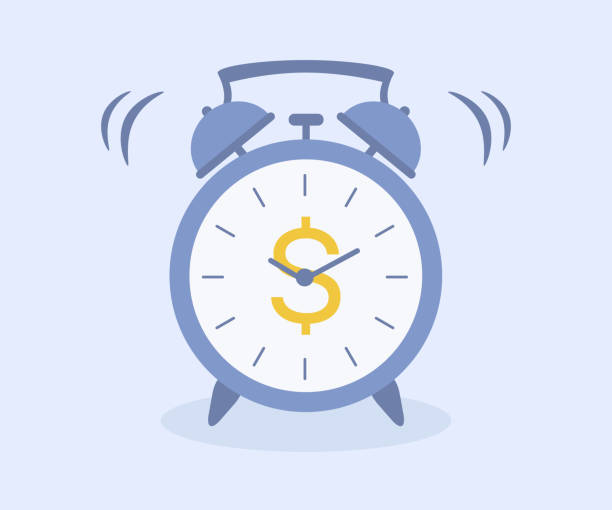

In a world built for instant gratification, the most powerful tool in your financial toolkit might be the simplest: waiting. Mindful spending is not about deprivation or endless spreadsheets; it is about creating a deliberate gap between the impulse to buy and the decision to purchase. This gap, often called the spending pause, can transform your relationship with money, slash unnecessary expenses, and build the kind of financial habits that stick. Whether you are eyeing a new gadget, a pair of shoes on sale, or a subscription service that promises to change your life, the pause gives you the mental space to ask the one question that matters most: Do I actually need this, or do I just want it right now?
The psychology behind impulse buying reveals that most unplanned purchases are driven by emotion, not logic. Retailers know this intimately. They design stores with enticing endcaps, flood your inbox with limited-time offers, and use colors and sounds that trigger dopamine release. Your brain, hardwired to seek rewards, responds by saying yes before your rational mind has a chance to weigh in. The spending pause interrupts this automatic process. By imposing a mandatory waiting period before any non-essential purchase, you force your emotional excitement to cool down. After twenty-four hours, that “must-have” jacket often looks less essential. After a week, it may seem downright forgettable. After thirty days, the urge to buy has almost completely dissolved for most items.
Implementing a spending pause does not require complicated apps or strict budgeting spreadsheets. It is a habit you can practice with any purchase over a certain threshold—say, fifty dollars. When you feel the urge to buy, write the item down on a list or in a notes app, including the price and the reason you want it. Then, commit to revisiting that list after a set period. For everyday splurges like a coffee or a snack, a ten-minute pause might be enough. For bigger items like electronics or furniture, a thirty-day pause can be life-changing. During that waiting time, you might research alternatives, check your budget, or simply realize that the item no longer sparks the same excitement. The act of writing it down also removes the urgency; you have not forgotten it, you have just deferred it.
The spending pause works wonders for subscription services, too. Many of us sign up for free trials only to forget to cancel, letting small monthly fees drain our accounts for years. Instead of clicking “subscribe” immediately, set a reminder to evaluate the service after the trial period. Use the pause to actively use the trial and then ask: Did I rely on this? Would I miss it if it vanished? More often than not, the answer is no. That realization can save hundreds of dollars annually.
Beyond individual purchases, the spending pause cultivates a broader mindset of intentionality. When you force yourself to wait, you naturally start to prioritize. The items that survive the waiting period are those that genuinely align with your values and goals. You might discover that you value experiences over things, or that quality over quantity matters more. This clarity makes budgeting feel less like a chore and more like a conscious choice. You are no longer reacting to every marketing pitch; you are steering your own financial ship.
Building the habit of a spending pause begins with small wins. Pick one category where you tend to overspend—perhaps takeout dinners or online clothing sales. For two weeks, apply a twelve-hour pause to any purchase in that category. Keep a simple journal of what you wanted versus what you actually bought after the delay. Pay attention to how many of those cravings faded. As you see the savings accumulate, the practice becomes its own reward. You can gradually extend the pause to other areas and increase the waiting period.
The spending pause also dovetails beautifully with other mindful financial habits, such as the envelope system or zero-based budgeting. It does not replace those tools; it enhances them by giving you the emotional distance to make better decisions. And unlike strict budgets that can feel punitive, the pause is a gentle nudge toward self-awareness. It respects your desires while protecting your future self.
Ultimately, mastering the spending pause is about reclaiming control from the machines and marketers that profit from your impulsivity. Every time you wait, you are practicing patience, self-reflection, and financial discipline. Those small moments of hesitation compound into thousands of dollars saved over a lifetime. And the best part? You do not need a single app, a coupon, or a discount code. You only need the willingness to stop, breathe, and ask: Can this wait until tomorrow? More often than not, the answer will set you free.