The Craft Fair Chef’s Secret to Half-Price Handmade Candles and Soaps
Your coworker just lit a $28 candle that smells like a rainy forest in October, and suddenly your grocery-store melon-scented wax melts feel like a betrayal. But before you drop half a day’s pay on artisanal goods, you need to know the truth: those same boutique candles and soaps can be had for a fraction of the price if you understand how maker markets actually work. The key isn’t haggling like a used-car salesman or waiting for desperate clearance events. It’s about timing your purchases, building relationships, and knowing exactly which products carry the most invisible markup.
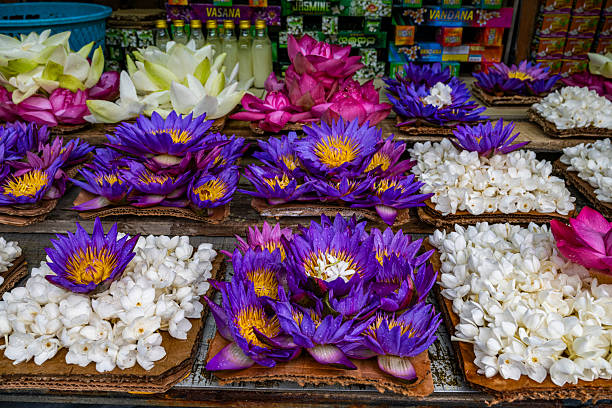
Consider the humble soap bar. A vendor at a weekend maker fair might charge $8 for a hand-poured goat milk bar, and you’ll gladly pay it because it smells like lavender fields and feels like silk. But that same vendor probably has a tray of “seconds” hidden under the table—bars that are slightly too curved, have a tiny air bubble, or are just a shade off from their perfect aesthetic. These are chemically identical to the pristine ones, and most makers will sell them for two or three dollars apiece if you ask politely. The same logic applies to candles. A jar with a slightly uneven top layer or a wick that was trimmed too short is often discounted by fifty percent, simply because it didn’t meet the maker’s own high standards. Never underestimate the power of the phrase “do you have any factory seconds?” at a booth.
Another mistake bargain hunters make is shopping at the beginning of a craft fair. You see a full table of gorgeous soaps and think you need to strike early before they sell out. But smart shoppers know the end of the day is where the real deals live. Makers paid for that booth space, they hauled their inventory in a minivan, and they absolutely do not want to pack it all back up. Thirty minutes before closing, most vendors would rather sell three half-priced items than load three full-priced ones into their trunk. Walk up at 4:55 PM on a Sunday, compliment their work, and offer a fair but lower price. More often than not, you’ll get a nod and a brown paper bag. This works even better on the last day of a multi-day festival, when the “we don’t negotiate” signs start looking like faded wallpaper.
The online side of handmade candles and soaps is a different beast, but it has its own loopholes. Etsy and similar marketplaces are crowded with overpriced listings, yet the makers themselves are often running a parallel economy through social media and email newsletters. Follow your favorite candle company on Instagram and turn on notifications. Many artisans post flash sales or “story-only” discount codes that never make it to their public shop. Email lists are even better. The moment you buy one soap from a new brand, you’ll almost certainly get a welcome email with a 10% or 15% off code. But that’s just the appetizer. Those same lists often send a “we missed you” email after you abandon your cart, and that email frequently carries a steeper discount—sometimes 20% off plus free shipping. If you leave a soap and two candles sitting in your cart for three days, the algorithm does your bargaining for you.
Let’s talk about subscribing, which sounds like a trap for impulse buyers. But subscription boxes for handmade soaps and candles are rarely about saving money on the products themselves. The real value is in the bundles. A monthly candle subscription might cost $25 per month, but that box typically includes a full-size candle that retails for $24, plus a sample soap, a match striker, and sometimes a discount code for your next purchase. If you were going to buy two candles anyway, the subscription often works out to be cheaper per unit—especially when makers use the subscription as a way to clear out seasonal surplus. The same goes for soap clubs. A quarterly box of six hand-cut bars might retail for $60, but the subscription price is often closer to $40, simply because the maker loves the predictable revenue.
Do not ignore the secondary market for handmade goods. We’re not talking about scalped merch here, but rather the swap groups and buy-sell-trade communities on Facebook and Reddit. Chefs and craft enthusiasts often buy bulk packages of artisan soaps to test for reviews, then end up with more than they can use. Half-open bars that are simply “not for me” go for pennies on the dollar. Candles that were burned once and hated? They’re everywhere in these groups, often listed at a 50% loss. The makers do not love this, but as a bargain hunter, you’re within your rights. Just be sure to clean the wick with a paper towel before you judge the scent throw.
Finally, think about the raw material of handmade goodness: maker supply stores. That sounds backward, but many artisan candle makers sell their own brand of fragrance oils, waxes, and pre-poured wax melts that they’ve blended for their signature candles. These melts are just as fragrant as the candles, cost a third of the price per ounce, and last longer if you use a warmer. Soap makers do the same with “melt and pour” bases or unscented loaves that you can slice yourself. When you buy directly from the maker’s “supplies” section, you skip the labor and packaging costs, yet you get the exact same signature scents and butters. A $10 bag of wax melts from an artisan is often five times the volume of their $20 candle. That’s the kind of math that fills a house with holiday smells without emptying a wallet.
The bottom line is that handmade candles and soaps are not luxury goods reserved for the rich. They are products with variable margins, emotional pricing, and makers who would rather move inventory than store it. All you have to do is show up at the right hour, ask the right questions, and let the maker know you’re a repeat customer who sees the value in their work—just not at full price.