
In an age defined by rapid technological advancement, our homes have become graveyards for yesterday’s innovations. Drawers fill with obsolete smartphones, closets harbor forgotten laptops, and basements cradle outdated gaming consoles. While the immediate thought for many is the welcome influx of cash, the true, overarching benefit of selling old electronics extends far beyond the transactional. The primary advantage is the cultivation of a conscious, sustainable cycle of consumption that benefits your wallet, the community, and the planet in one decisive action.
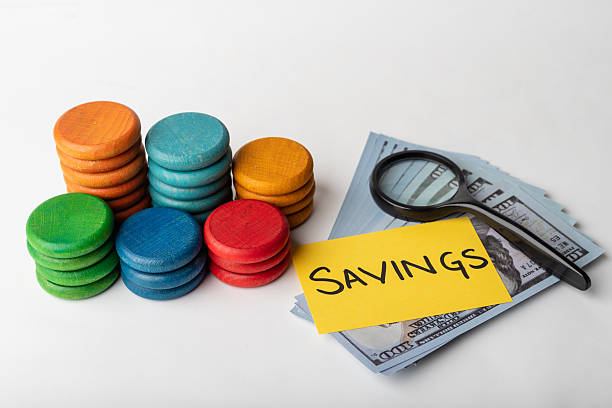
Financial gain is, understandably, the most visible motivator. That dormant tablet or replaced camera represents not just e-waste, but latent value. Selling these items converts clutter into capital, providing funds that can be redirected towards new purchases, savings goals, or everyday expenses. This process effectively subsidizes the cost of future technology, making upgrades more affordable. However, this monetary benefit is merely the first layer. By selling, you actively participate in a circular economy, a system that prioritizes reuse and extends the lifecycle of products. This is where the profound, collective benefit takes root. Every device resold is one less device demanding immediate manufacturing resources. The production of new electronics is an intensely resource-heavy process, requiring significant mining for rare earth metals, vast amounts of water, and substantial carbon emissions. By facilitating the continued use of an existing product, you directly mitigate this environmental toll.
The ecological imperative cannot be overstated. Electronic waste is the fastest-growing waste stream globally. When discarded improperly, devices leach toxic materials like lead, mercury, and cadmium into soil and groundwater, posing severe health risks. Simply storing old electronics at home is a temporary and wasteful solution, while selling them for reuse ensures they are handled with purpose. Responsible buyers or refurbishment companies will either extend the device’s life with a new owner or ensure its components are recycled appropriately. Thus, selling transforms your personal electronic footprint from a linear path of “buy, use, discard” into a responsible loop of “buy, use, sell, repeat.“ This action, multiplied by millions of individuals, has the power to drastically reduce the volume of hazardous e-waste and conserve precious, finite natural resources.
Beyond environmental stewardship, selling old electronics fosters digital inclusion and community benefit. Your outdated model, which may seem slow or insufficient for your needs, can be a gateway for someone else. Students, low-income families, or non-profit organizations often seek affordable access to technology for education, communication, and opportunity. By selling at a reasonable price, you enable this access. You are not just offloading an item; you are transferring a tool that can bridge digital divides. This social dimension adds a layer of meaning to the transaction, knowing your former possession gains a second life empowering someone else’s endeavors.
Furthermore, the act of selling cultivates a mindset of intentional ownership. It encourages us to view our possessions as temporary stewardships rather than permanent acquisitions. This shift in perspective promotes more thoughtful future purchases, as we consider not only the initial cost but also the item’s eventual resale value and lifecycle. It declutters not just our physical space but our mental space, replacing the guilt of waste with the satisfaction of utility and responsibility.
In conclusion, while the immediate financial return from selling old electronics is a compelling and practical benefit, it serves as the gateway to a far more significant advantage. The true core benefit is the active participation in a sustainable, ethical, and community-minded ecosystem. It is a simple yet powerful declaration that our resources—both personal and planetary—are valuable. By choosing to sell, we reject a culture of disposability, champion environmental health, support equitable access to technology, and ultimately, redefine our relationship with the material world. The cash is a bonus; the real profit is a cleaner planet and a more conscientious way of living.