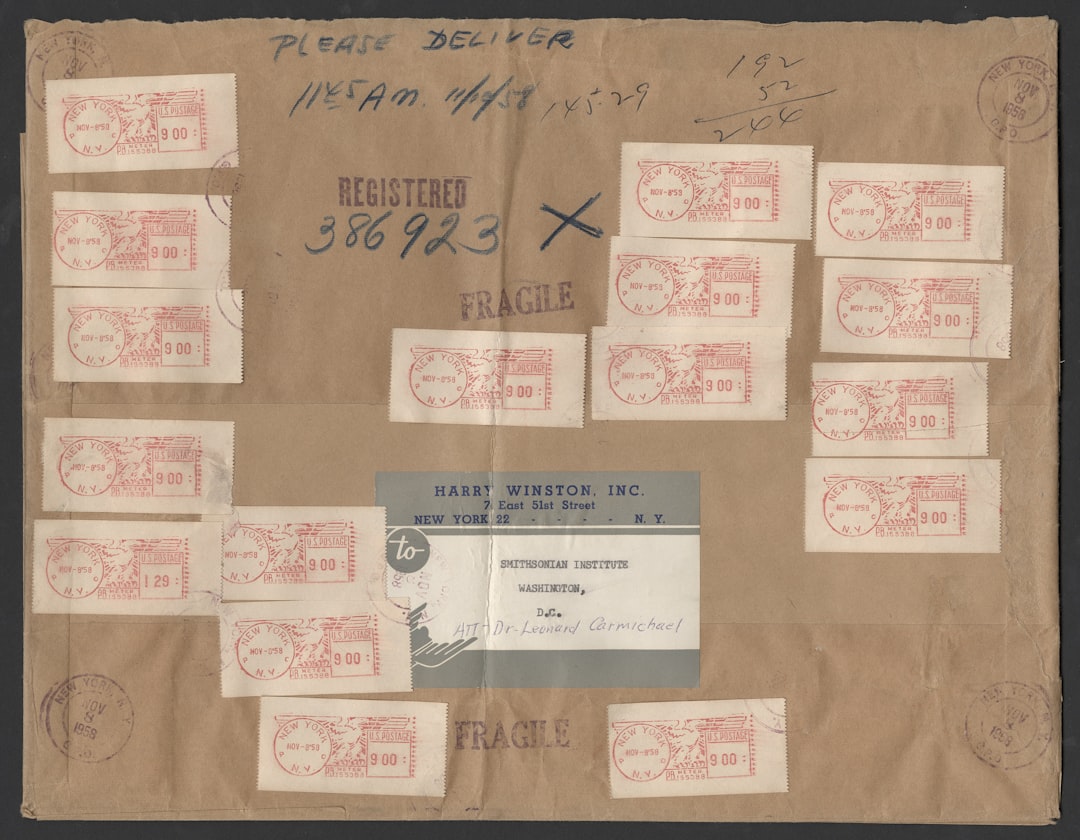

Every savvy shopper knows the drill. You find a product listed at a fantastic price, a clear discount compared to every other retailer. Your heart races. You click add to cart, fill in your address, and then the checkout screen reveals a shipping charge that feels more punitive than practical. Suddenly, your brilliant deal has evaporated. The culprit here is often not a greedy retailer, but a silent pricing mechanism called dimensional weight pricing, or DIM weight. Understanding how DIM weight works is a secret weapon in the advanced comparison shopper’s arsenal, because it transforms how you evaluate the true total cost of an item before you ever confirm the purchase.
Dimensional weight is a pricing technique used by major carriers like UPS, FedEx, and DHL. In simple terms, it charges you for the space a package occupies on a truck or airplane, not just for its physical heaviness. A large, lightweight box full of pillows is far less profitable for a carrier than a small, heavy box of steel bolts, because the pillows take up room that could otherwise hold dense, high-value cargo. To compensate, carriers calculate the package’s volume—its length times its width times its height—and divide that by a DIM divisor, typically 139 for domestic shipments. The result is either the actual weight in pounds or the DIM weight, and you are billed on whichever number is larger.
For a consumer, this can be a nasty surprise. A beautiful floor lamp with a large shade might weigh only six pounds, but its box volume could push the DIM weight to twenty pounds. A retailer offering “free shipping” on that lamp is either absorbing that huge cost or, more likely, has baked it into the product price. Conversely, a retailer with a lower base price but a separate shipping fee that correctly reflects the DIM weight might still offer a better total cost for a small, dense item. The key is to stop looking at the listed product price in isolation and start thinking in terms of the total delivered cost for your specific purchase.
One powerful strategy is the “soda and shoes” test. Before you compare two listings, mentally categorize the item. Is it lightweight and bulky, like a foam mattress topper, a large framed poster, or winter boots in a massive shoebox? If so, you should be extremely wary of any retailer that lists a very low product price but shows a vague or high shipping cost at checkout. Your best bet for these items is a retailer that offers a flat-rate shipping option, or one that has a physical store near you for free in-store pickup. The shipping cost on a bulky item will almost always negate any savings from a lower base price. On the other hand, is it a dense, heavy item, like a cast iron skillet, a set of dumbbells, or a case of canned goods? For these, the actual weight is the driving cost. A small, dense box rarely triggers DIM weight penalties, so the listed price becomes a much more reliable indicator of value.
Another crucial tactic involves the art of the “shipping estimator.“ Do not wait until the final checkout screen to discover the true cost. Most online shopping carts have a shipping calculator. Enter your zip code and select a standard shipping speed before you even open your wallet. Write down the total price for each contender: product price plus estimated shipping. This is the only number that matters for comparison. You might find that a seemingly expensive item from a warehouse club with free shipping is actually cheaper than a deeply discounted item from a smaller retailer who charges for the box’s air.
Furthermore, consider the bundle. Many retailers offer a minimum purchase threshold for free shipping. If you are buying a bulky item that triggers a high DIM weight, see if you can find the same item on a site where you are already planning to make other purchases. By bundling a bulky item with everyday essentials, you might push your total order value over the free shipping line. The site then absorbs the DIM weight cost as a customer acquisition expense, effectively giving you a free ride on that expensive-to-ship lamp. Do note, however, that this works best on sites with generous free shipping thresholds. If you are buying a bulky, DIM-weight-heavy item for ninety dollars from a site that requires a hundred dollars for free shipping, consider adding a ten-dollar necessity like a pack of socks. That small addition saves you the potentially twenty-dollar shipping fee, making your total cost lower than buying the item alone from a competitor with a lower product price but higher shipping.
Finally, learn to recognize the “free shipping” mirage. A retailer offering free shipping on a bulky item has simply built that cost into the product price. They are not being generous; they are being transparent about the total cost in one single line item. The real question is whether their total price is better than the competition’s breakdown. Do the math. Sometimes, a product with a listed price twenty dollars higher but with free shipping is a far better deal than a product twenty dollars cheaper but with a hidden fourteen-dollar DIM weight surcharge that you only see at checkout. The goal of advanced comparison shopping is not to find the lowest sticker price, but to find the lowest total cost of acquisition for a product that fits your timeline and convenience needs.
By mastering the logic of dimensional weight, you stop being a passive buyer and become an active analyst of the shipping industry’s own pricing rules. You will start to see that the most heavily discounted items are often the ones with the worst volume-to-weight ratio, precisely because the retailer is relying on the DIM weight shock at checkout to recoup their margin. With this knowledge, you can confidently walk past those shiny, too-good-to-be-true deals and choose the option that delivers the most value to your doorstep, not just to your shopping cart.