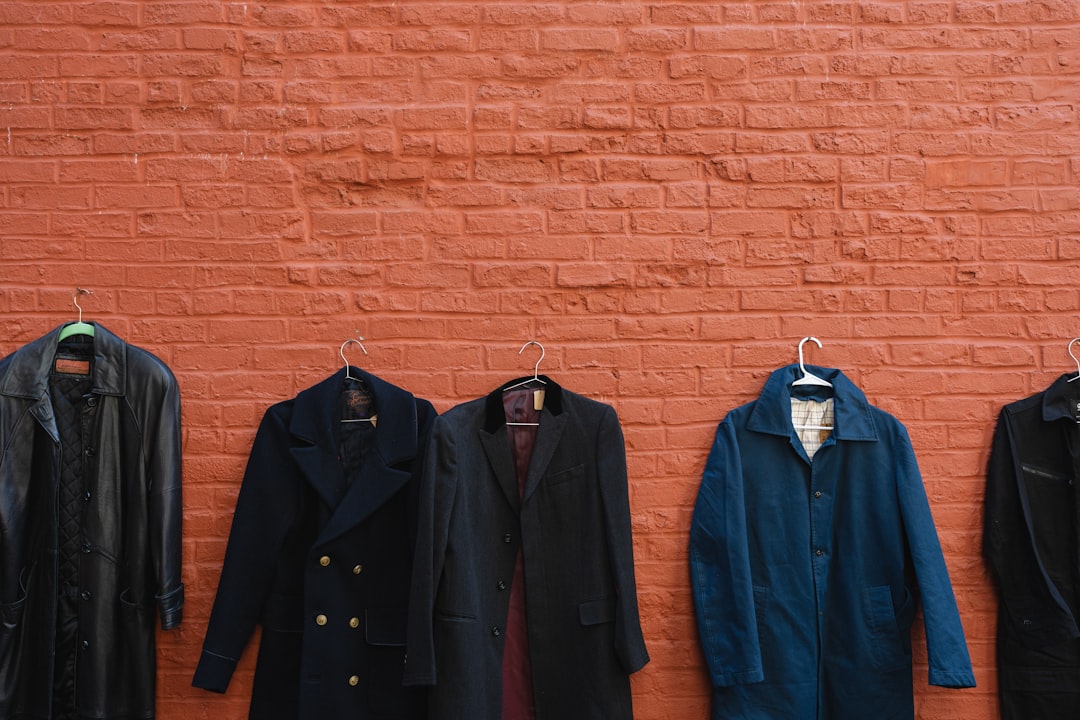

Every closet holds a quiet economy of unworn garments, forgotten tags, and fabric that once sparked joy but now merely takes up space. The clothing swap, often viewed as a casual gathering of friends trading shirts, is in fact a sophisticated micro-economy that can dramatically reduce household apparel spending while fostering community resilience. When executed with intention, a swap transforms personal excess into collective savings, and each participant walks away not just with new-to-them items but with a strategic understanding of value that reshapes their entire approach to fashion consumption.
The first and most obvious financial benefit of a clothing swap is the immediate reduction in out-of-pocket spending. A typical American household spends over one thousand dollars annually on clothing, according to consumer expenditure surveys. A single well-organized swap can replace several shopping trips, particularly for items that are often bought on impulse, such as casual tops, accessories, or children’s clothing that is outgrown quickly. Each item acquired at a swap represents direct savings, but the real leverage comes from the fact that swappers are simultaneously clearing their own closets of items they no longer use. This dual action creates a net reduction in wardrobe clutter, which in turn reduces the psychological impulse to shop for replacements. When you know exactly what you own, and when you have freely acquired a few fresh pieces, the urge to browse online sales or stop by a big-box store diminishes noticeably.
Beyond the immediate swap day, the economics extend into the long-term value of wardrobe longevity. Many participants discover that swapping introduces them to brands, fabrics, and styles they might never have considered purchasing at retail prices. This exposure often leads to more discerning future buying habits. A person who swaps into a high-quality wool sweater, for example, learns to recognize the feel of well-made garments and may become less willing to spend ten dollars on a fast-fashion synthetic that will pill after three washes. In this way, swapping functions as a low-risk education in quality. The savings compound over time as participants begin to apply those lessons to their regular purchases, avoiding cheaply made items that require frequent replacement.
The social dimension of a clothing swap adds another layer of economic value that is easy to overlook. Hosting a swap among friends creates a network of shared resources that can evolve into ongoing exchanges. A core group might meet seasonally, rotating hosting duties, and with each gathering the collective “inventory” becomes more curated. Friends learn each other’s sizes, tastes, and style gaps, making future swaps more efficient. This network also reduces the need for each person to individually buy special-occasion clothing. A dress worn to a wedding by one friend can be passed to another for a formal dinner, and the cost of dry cleaning or minor alterations is trivial compared to a purchase. The shared wardrobe effectively multiplies each person’s clothing budget without increasing anyone’s spending.
From a logistical perspective, the success of a swap depends on clear rules that maximize value for all participants. A common pitfall is treating a swap as a free-for-all where everyone brings worn-out basics and leaves disappointed. To avoid this, establish a quality threshold: items should be clean, in good condition, and free of stains or damage. Setting a minimum number of items to bring, such as five to ten, ensures enough variety. A point system can also encourage equitable participation. For example, each item brought earns a token redeemable for an item from another person’s contribution, preventing one guest from loading up while another leaves empty-handed. While this may sound bureaucratic, it creates a sense of fairness that makes the swap feel like a legitimate market transaction rather than a charitable giveaway. Participants who feel they received fair value are far more likely to join future swaps and to invest effort in bringing their best items.
The environmental implications of clothing swaps reinforce their economic logic. The fashion industry is responsible for staggering amounts of textile waste, and the average garment is worn only a handful of times before being discarded. Every item that moves through a swap instead of a landfill extends its usable life, and that extension has a monetary value that is rarely accounted for in personal budgets. By reducing the demand for new production, swapping indirectly lowers the long-term external costs of clothing, which are reflected in rising prices due to resource scarcity and regulatory pressures. A savvy consumer recognizes that the most sustainable garment is the one that already exists, and swapping capitalizes on that principle without requiring a wholesale lifestyle overhaul.
Hosting a swap also builds skills that translate directly into better consumer behavior elsewhere. Organizing a swap requires sorting clothes by category, sizing items, and making quick decisions about what to keep versus pass along. These are the same skills required for wardrobe audits, seasonal closet purges, and conscious shopping. A person who regularly hosts or attends swaps develops a sharper eye for what they actually need and what is redundant. This self-knowledge is the most effective antidote to marketing manipulation and impulse buying. Instead of being swayed by a sale banner or a limited-time discount, the seasoned swapper asks: “Do I need this, or do I have something similar at home that I’m not wearing?” That question alone can save hundreds of dollars each year.
Finally, the clothing swap creates a culture of generosity and resourcefulness that extends beyond apparel. Once friends experience the thrill of trading clothes without spending money, they often begin swapping household goods, books, kitchen tools, and even children’s toys. This horizontal economy of free exchange undermines the assumption that consumption must always involve cash. In an era of rising costs and stagnant wages, such alternative channels are not just pleasant hobbies but necessary strategies for family budgets. The clothing swap becomes a gateway to a more intentional and collaborative approach to all purchases, big and small.
When the last item has been claimed and the leftover clothes have been donated to charity, the true value of a clothing swap becomes clear. It is not merely a way to save a few dollars on a blouse or a pair of jeans. It is a practice that redefines the relationship between money, belongings, and community. It teaches that the most powerful saving strategy is not a coupon or a loyalty app, but the willingness to share, trade, and rethink what we truly need.