
Many shoppers treat cashback portals like a forgotten treasure chest, glancing at them only during holiday shopping sprees or when a particularly tempting bonus rate appears in their inbox. Yet the real wealth lies not in those occasional, high-percentage offers, but in the quiet, consistent use of cashback portals for everyday purchases that rarely attract promotional attention. When you redirect your routine spending—groceries, gasoline, pharmacy items, and even recurring bills—through a cashback portal, the cumulative effect transforms from a trickle of pennies into a steady stream of real savings that quietly funds future purchases or pads a vacation fund.
The typical consumer interprets cashback as a bonus for buying something they might not otherwise purchase, a treat for indulging in a new gadget or a seasonal wardrobe refresh. But this perspective overlooks the fundamental mechanics of cashback portals: they earn commissions from retailers for driving traffic and sales, and they share a portion of that commission with you. Whether you are buying a pair of shoes or a gallon of milk, the portal still receives its affiliate fee. Therefore, using a portal for every single eligible transaction, no matter how small or mundane, is the most rational and profitable approach. The milk and the shoes earn the same percentage, but the milk is purchased weekly, fifty-two times a year.
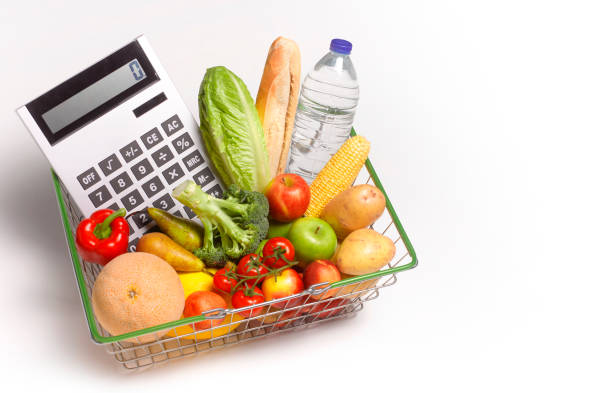
Start by identifying the cashback portals that have partnerships with your most frequented stores. Many major grocery chains, drugstores, and even gas station chains now appear on platforms like Rakuten, TopCashback, or BeFrugal. Some portals offer flat rates for certain categories—for example, two percent back at all supermarkets—while others fluctuate month to month. It pays to bookmark your top three portals and check them before any online purchase, but for everyday spending, you can often set up a routine. If you buy groceries online for curbside pickup or delivery, you can simply navigate to the portal first, click through to your grocer, and place your order. That single click adds no time to your shopping routine yet yields consistent returns.
For in-store purchases, the process is slightly more complicated but still entirely feasible. Several portals now offer in-store cashback through linked credit cards or by uploading receipts. For instance, some mobile apps like Shopkick or Ibotta allow you to scan your receipt after shopping at a participating store and earn cashback on specific items or on the entire transaction. Others, such as Dosh or Drop, connect directly to your credit card and automatically apply cashback when you shop at partnered retailers. Linking a debit or credit card to these apps means that every swipe at a grocery store or gas station triggers a tiny rebate without any extra action on your part. The key is to treat these apps as permanent, set-and-forget tools rather than occasional check-ins.
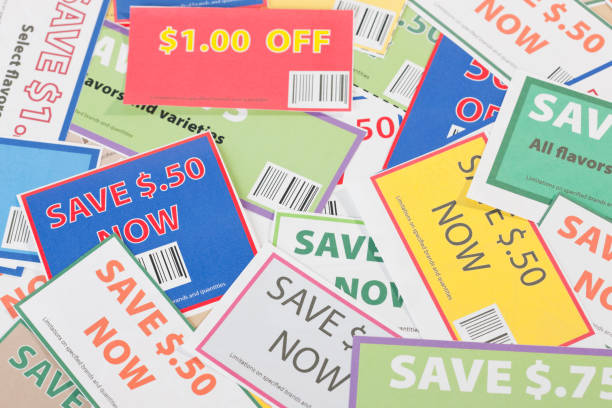
The most common mistake consumers make is failing to stack cashback with other savings methods. A savvy shopper knows that cashback portals can be layered on top of coupon codes, store loyalty points, and credit card rewards. For example, you might find a 10 percent off coupon at your favorite online retailer, apply it at checkout, and still receive three percent cashback through a portal because the portal tracks the click, not the final price. Meanwhile, your credit card might earn another two percent in rewards. This triple stacking turns a modest purchase into a highly efficient savings event. The same principle applies in stores: use a manufacturer coupon, a store coupon, and pay with a cashback-linked credit card, then upload your receipt to a cashback app. The cumulative difference can be the equivalent of a 10 to 15 percent discount on everyday items.
Another overlooked opportunity is recurring bills. Some cashback portals now include categories for insurance, internet, phone services, and even utility payments. While the percentages are often lower—usually one to two percent—these bills are large and predictable. Earning two percent back on a monthly electricity bill of one hundred fifty dollars adds up to thirty-six dollars a year from a single bill. Repeat that across internet, phone, and insurance, and you could be looking at over one hundred dollars annually in passive cashback from expenses you would pay anyway. The trick is to search your portal for “utilities” or “bills” categories, click through to the payment page each month, or link a card that offers automatic cashback on those categories.
To truly master this strategy, develop a simple habit: before any purchase, pause for ten seconds and ask whether a cashback portal or app covers that retailer. Over time, this mental check becomes automatic. You will begin to see your digital wallet not as a series of isolated transactions but as a continuous savings pipeline. The pennies from each bottle of shampoo, each bag of coffee, each tank of gas accumulate into a meaningful sum that arrives as a check or a PayPal deposit at the end of a quarter. That money is not found—it is earned by the discipline of channeling everyday spending through the tools that reward you simply for clicking first.
The beauty of this approach is that it requires no drastic lifestyle changes. You are not clipping coupons for items you do not need, nor are you driving across town to a cheaper store. You are simply using the same spending habits you already have, but funneling them through digital gateways that pay you back. Over a year, a household that spends five hundred dollars a month on groceries, one hundred fifty on gas, and two hundred on pharmacy and household goods could earn between one hundred fifty and three hundred dollars in cashback with minimal effort. That is real money—money that can offset the cost of holiday gifts, cover a dinner out, or simply pad a savings account. The hidden power of cashback portals is not in the big flashy deals but in the quiet, relentless accumulation of small returns on the purchases you can never avoid.