

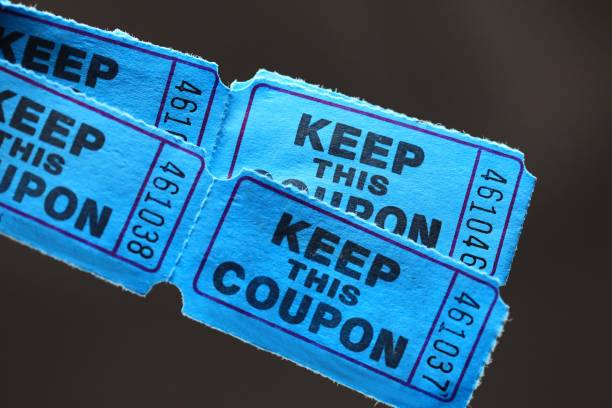

When most people think of saving money on travel and entertainment, their minds immediately jump to airline reward programs, hotel points, or coupon apps. Yet one of the most powerful and overlooked tools for slashing costs sits quietly in your local public library—not just for books, but for free and heavily discounted access to museums, zoos, science centers, state parks, and even performing arts venues. Library culture passes, sometimes called museum passes or discovery passes, represent a consumer goldmine that can transform a weekend getaway or a full vacation into an enriching experience at a fraction of the typical price.
The concept is deceptively simple. Many public library systems partner with local and regional cultural institutions to offer patrons free admission passes that can be checked out just like a book. Depending on the library, these passes may cover two, four, or even six guests per visit. The institutions involved range from world-class art museums and children’s science centers to botanical gardens, historical homes, and aquarium facilities. For the savvy consumer, this means that a trip to a new city can be supplemented with free or deeply discounted entry to attractions that would otherwise cost $20 to $40 per person. Over the course of a weeklong vacation for a family of four, the savings can easily exceed two hundred dollars—money that can be redirected toward lodging, dining, or fuel.
The key to unlocking this value lies in advanced planning. Most libraries allow patrons to reserve a specific date for a pass online or by phone, often up to thirty days in advance. This is where the smart traveler can turn a simple library card into a strategic asset. Before booking a hotel or mapping out an itinerary, a quick search of the library systems in your destination city can reveal which institutions participate and what their availability looks like. Many urban libraries, such as those in Boston, New York, Los Angeles, Chicago, and Seattle, have extensive culture pass programs that include major attractions like the Museum of Fine Arts, the Field Museum, the Getty Center, and the Space Needle’s Chihuly Garden and Glass. Even smaller towns often have passes for state parks, local history museums, or children’s play centers.
But the benefit extends beyond the destination itself. Your home library may offer passes that can be used when you return from a trip, providing free weekend entertainment that keeps the vacation spirit alive without additional spending. Some library systems also include passes for national parks through the “Every Kid Outdoors” program or through partnerships with the U.S. Forest Service. This means a library card can grant access to natural wonders like the Grand Canyon or Yellowstone—not just urban attractions. For those planning road trips, checking the passes available in each small town along the route can turn a simple gas stop into a free afternoon at a local museum or a state park visitor center.
Of course, there are limitations to understand. Passes are typically limited in quantity, and high-demand dates—holidays, spring break, summer weekends—require early booking. Some libraries restrict usage to local residents only, meaning you cannot simply walk into a library in another state and borrow a pass on the spot. However, many reciprocal borrowing agreements exist between neighboring library systems, and some libraries offer digital passes that can be printed at home or displayed on a smartphone. The best approach is to combine a reservation at your home library for a destination you plan to visit weeks ahead, or to check if your own library’s pass program includes institutions that are part of a larger reciprocal network. For instance, some cultural passes work across multiple branches in a consortium, and a few museums participate in nationwide reciprocal admission programs.
Another angle to consider is the overlap with museum discount programs that are not library-based but equally valuable. Memberships to local science centers or art museums often include reciprocal benefits with hundreds of other institutions across the country through programs like the North American Reciprocal Museum (NARM) Association or the Association of Science and Technology Centers (ASTC) Passport Program. A single family membership purchased at your hometown science center—sometimes for as little as $100 per year—can unlock free general admission to dozens of museums in other cities. When combined with library passes, a family can enjoy entire vacations where the only admission cost is for a few exclusive special exhibits.
The real win for consumers is the mental shift from seeing entertainment as a fixed expense to viewing it as a negotiable cost. Library passes and museum discount programs turn the act of planning a trip into a treasure hunt. Instead of paying full retail for every attraction, you invest a little time researching what your library card can do for you. The result is not just financial savings but also a deeper connection to the communities you visit. You end up seeing the small, local history museum that you might have skipped, because the pass made it free. You spend an afternoon at a botanical garden you never knew existed, simply because the pass was available. These unplanned detours often become the most memorable parts of a vacation.
In a world where travel costs continue to rise, the humble library pass stands as a quiet but powerful tool. It democratizes access to culture, allows families to stretch their budgets further, and rewards the consumer who takes the time to look beyond the obvious discounts. The next time you plan a trip, start not with a hotel booking site but with your local library’s online catalog. That single search could save you hundreds of dollars and open doors to experiences you never imagined.