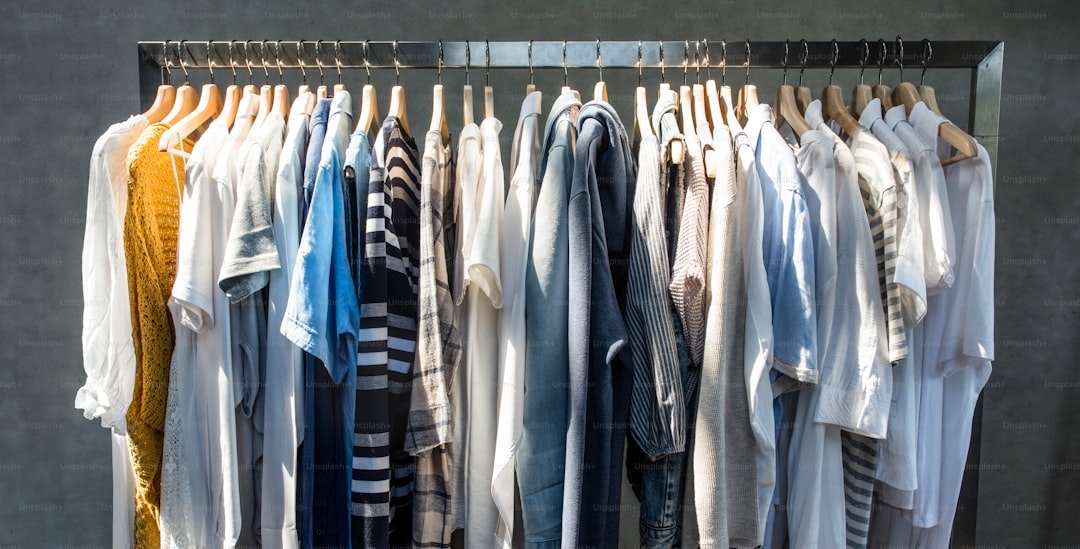

A clothing swap is a beautifully simple yet transformative event where individuals gather to exchange their pre-loved garments, accessories, and shoes with one another, all without the exchange of money. It operates on a principle of communal refreshment: participants bring items from their own closets that are in good condition but no longer spark joy or fit their lives, and in return, they are free to take home “new-to-them” pieces discovered on the swap racks. More than just a practical exchange of fabric, it is a social gathering rooted in sustainability, community, and the shared desire for a wardrobe that feels both fresh and conscious. Hosting one, as you will discover, offers rewards that extend far beyond your closet, touching on environmental stewardship, financial prudence, and the simple human need for connection.
The most compelling reason to host a clothing swap is its profound positive impact on the environment. The fashion industry is one of the world’s largest polluters, and the cycle of fast fashion encourages a wasteful “buy-and-discard” mentality. By organizing a swap, you actively combat this cycle by extending the life cycle of existing garments. Every sweater or pair of jeans that finds a new home is an item kept out of a landfill and a demand not placed on the resource-intensive production of something new. You are facilitating a circular fashion economy in your own living room or community center, demonstrating that style and sustainability are not mutually exclusive but beautifully intertwined. Your event becomes a tangible act of environmental activism, empowering your friends and neighbors to make a difference with their fashion choices.
Beyond the ecological benefits, hosting a clothing swap is a powerful act of community building. In an increasingly digital and isolated world, a swap creates a rare and valuable space for genuine, unmediated interaction. It is a collaborative event, not a competitive one. Guests arrive as contributors, not just consumers, fostering a spirit of generosity and shared abundance. The atmosphere is typically one of playful discovery, with attendees helping one another style unexpected finds and celebrating each other’s successes. As the host, you curate this experience, facilitating connections and conversations that might not otherwise happen. The event naturally breaks down social barriers through the universal languages of personal style and storytelling, as each swapped item carries a history and is passed on to write a new chapter. You are not just refreshing wardrobes; you are weaving the social fabric of your community a little tighter.
Financially, a swap is a boon for everyone involved, starting with you as the host. While there may be minor costs for refreshments or racks, the return on investment is a completely revitalized wardrobe at zero cost. This principle holds true for all your guests, offering a guilt-free way to explore new styles, trends, or sizes without straining personal budgets. It is a celebration of resourcefulness, proving that one person’s closet castoff is another’s treasure. Furthermore, hosting a swap can declutter your own space with purpose. Instead of a solitary bag destined for an anonymous donation bin, your unused items become the currency for a shared experience, making the act of letting go feel productive and joyful rather than merely necessary.
In essence, to host a clothing swap is to champion a smarter, kinder, and more connected way of living. It is a practical answer to the problems of waste and overconsumption, a joyful antidote to social fragmentation, and a creative solution to the perennial desire for sartorial novelty. You provide the framework—a date, a space, and simple guidelines—and your guests bring the content, both in garments and in goodwill. The result is an event that leaves everyone involved not only with a bag of new favorites but also with a renewed sense of possibility. You demonstrate that sustainable living can be social and fun, that community can be built around shared values, and that the most rewarding updates to our lives often come not from a store, but from each other.