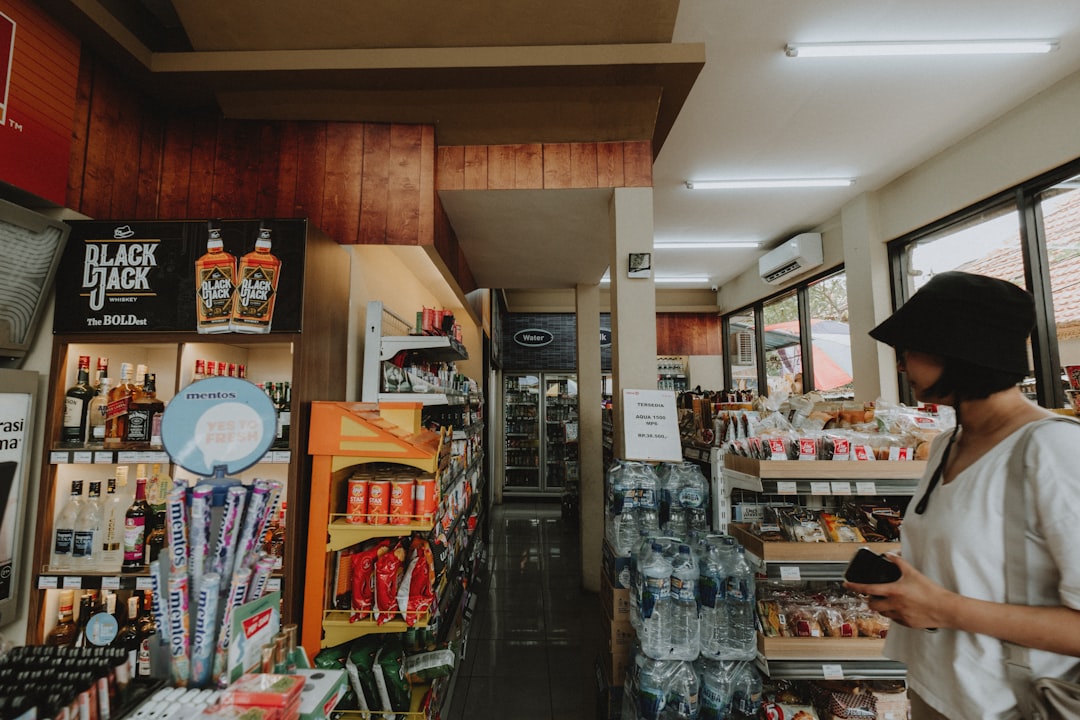

Many shoppers walk past a local boutique or hardware store assuming the price tag is final, yet one of the simplest and most overlooked ways to save money is simply to ask. While national chains often have rigid pricing systems operated by corporate policy, local store owners frequently hold the authority to adjust prices on the spot. The key lies not in demanding a markdown but in approaching the conversation with respect, timing, and a clear understanding of what incentives you can offer in return. Mastering this subtle art can unlock savings that no coupon app or online code can match, all while strengthening your relationship with the merchants who power your community.
The first step is preparation. Before you even enter a store, consider what leverage you might have. Are you a student, a senior, a teacher, or a member of a local club or organization? Many independent retailers offer unadvertised discounts to these groups, but they will seldom post them on a sign. When you ask, mention your status politely: “I’m a student at the community college; do you offer any student pricing?” Even if the answer is no, the owner may remember your interest and offer a small break on your next visit. Similarly, if you are buying multiple items or a high-ticket product like a piece of furniture or a bicycle, you can lead with that volume: “I’m planning to buy three of these shelves and the matching desk. Is there any room in the price?” This frames your request as a business opportunity rather than a favor.
Timing plays an equally important role. The best moment to ask for a discount is when the store is quiet. A busy Saturday afternoon, with a line of customers and a harried owner juggling stock, is the worst possible time. Instead, visit on a weekday morning or late evening when the proprietor has a moment to chat. This is especially true for service-oriented businesses like repair shops, bakeries, or florists, where the owner values personal interaction. During slow periods, a store owner may be more willing to negotiate because the sale feels like a welcome relief from a quiet day. Also, consider the end of a season. Asking “Is this winter coat on clearance yet?” a few weeks before spring can yield a markdown that wasn’t on the tag.
When you make your request, the manner in which you speak is everything. Never start with “Can you give me a discount?” Instead, frame it as a collaborative question: “Would you consider a small price adjustment if I pay in cash?” Cash saves the merchant credit card processing fees, and many owners are happy to pass some of that savings to you. Another effective angle is to show genuine appreciation for the store. Compliment the product, the display, or the service you have received in the past. Then say, “I’d love to buy this, but my budget is tight. Is there any way we can work something out?” This positions you as a loyal customer who simply needs a little accommodation, not as a penny-pinching bargainer who undervalues their work.
One technique that often surprises shoppers is the “imperfection ask.” If you notice a small scratch, a dent, or a display model that has been handled, gently point it out and ask, “Since this has a minor flaw, could you offer a markdown?” Most local store owners would rather sell a slightly imperfect item at a discount than keep it on the shelf indefinitely. Be careful, however, not to exaggerate or invent damage. Honesty builds trust, and a merchant who respects your integrity will remember you for future deals.
The relationship you build over time is the most valuable currency in local shopping. Once you have successfully negotiated a discount once, do not abuse the privilege. Return for future purchases without always asking for a break. Compliment the owner to other people, leave a positive online review, and recommend the store on social media. When you do eventually need a price adjustment again, you will be a familiar face with a track record of fairness. The owner will be far more inclined to help you because you have proven yourself to be a kind and repeat customer, not just a one-time bargain hunter.
Finally, always accept a “no” gracefully. If the owner genuinely cannot offer a discount due to thin margins or store policy, thank them for their time and consider purchasing anyway at full price. Pushing too hard or showing frustration destroys goodwill and may even lead to being asked not to return. A simple “No problem, I understand” leaves the door open for a future opportunity, such as a sale or a reward on a subsequent visit.
Asking for discounts at local stores is not about being cheap; it is about being savvy and respectful. It requires observation, timing, politeness, and a willingness to build relationships. With practice, you will find that many small business owners appreciate customers who engage with them honestly and directly. The savings you uncover will be a pleasant bonus, but the real reward is the connection you forge with the people behind the counter—people who often have the power to say yes, if only you ask.