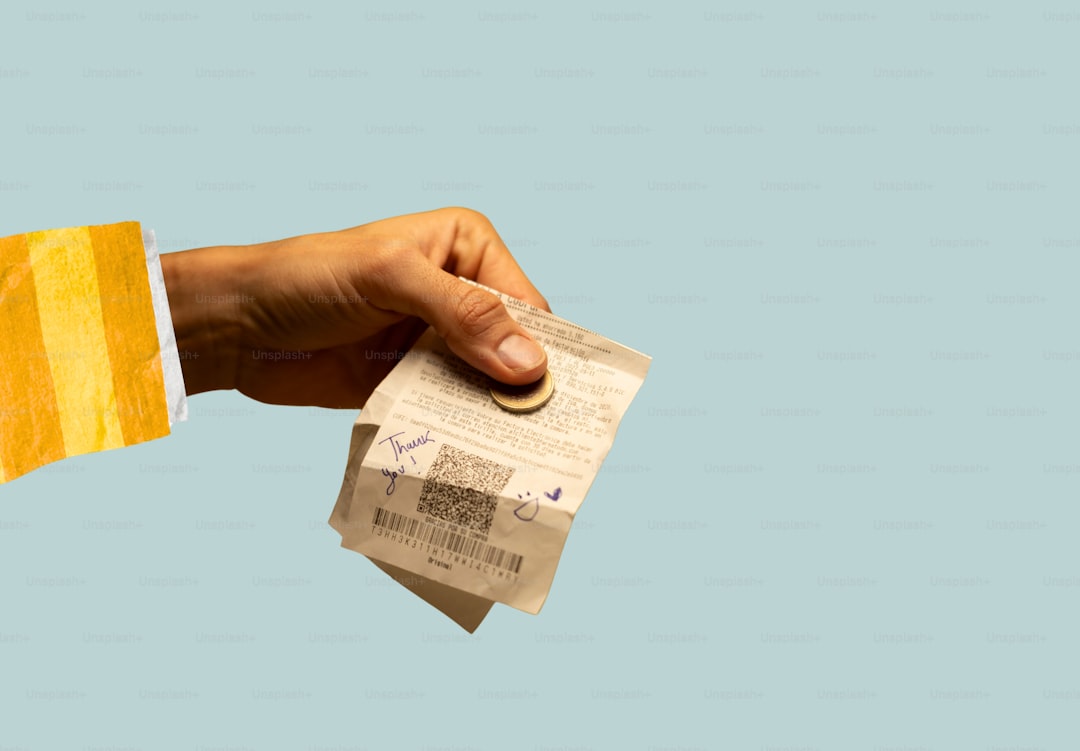

Saving money is one of those goals that everyone knows they should pursue, yet the gap between intention and action remains vast. Traditional advice often emphasizes large, painful cuts to spending or rigid monthly transfers, which can feel like a chore. Round-up apps offer a different path—one that relies on psychological finesse rather than willpower. By automatically diverting spare change from everyday purchases into a savings or investment account, these tools transform the act of saving from a conscious decision into an unconscious habit. Understanding why this approach works so effectively reveals valuable insights about human behavior, financial psychology, and the subtle architecture of lasting change.
At its core, the round-up mechanism exploits a quirk in how the brain processes small amounts of money. When you pay $4.75 for a coffee and the app rounds it up to $5.00, the extra $0.25 feels negligible—almost invisible. The neural pathways that fire when you consider a $50 transfer to a savings account are entirely different from those activated by a quarter. This cognitive discounting of micro-amounts means you never experience the sting of deprivation. Over time, however, these tiny deductions accumulate into meaningful sums—tens or hundreds of dollars per month, depending on spending volume. The power lies in the fact that you never “miss” the money because you never consciously decided to part with it in a noticeable way.
This aligns perfectly with the concept of friction, a key obstacle in building financial habits. The more steps required to save, the less likely you are to do it. Round-up apps reduce friction to nearly zero. There is no login, no transfer request, no decision. The app does its work silently in the background, syncing with your debit card or credit card. You simply live your normal life, and the savings happen automatically. This frictionless design turns saving into a passive process, which is exactly what most people need. Willpower is a finite resource; by outsourcing the task to an algorithm, you preserve mental energy for other financial decisions.
Another psychological advantage of round-up apps is their ability to separate spending from saving in the mind. When you see your checking account balance, you see the full amount after the round-up has already been removed. This creates a subtle but powerful mental boundary. The spare change is whisked away before it can be spent, preventing the classic trap of “I’ll save what’s left at the end of the month.“ For most people, nothing is left at the end of the month. Round-up apps rearrange the equation: you save first, even if only in tiny increments, and spend what remains. This mirrors the successful “pay yourself first” principle but makes it effortless.
Habit formation research emphasizes the importance of immediate rewards. Saving money is inherently delayed gratification—you don’t see the benefit until years later. Round-up apps introduce a micro-reward loop. Many apps display your growing balance with each purchase, sending push notifications like “You’ve saved $12.34 this week from spare change.“ This constant, small feedback reinforces the behavior. You begin to view each transaction not just as an expense, but as a contribution to your future. Over weeks and months, the app becomes a coach that celebrates your progress, turning a boring necessity into a mildly addictive game. This gamification element is why some users report checking their round-up balance as often as they check social media.
The effectiveness of round-up apps also depends on how the saved money is deployed. The best apps offer options: transfer to a high-yield savings account, invest in a diversified portfolio, or even pay down debt. When the spare change goes directly into an investment account, it introduces the concept of dollar-cost averaging on a micro scale. Market fluctuations matter less because you are buying small amounts consistently. This removes the anxiety of timing the market and makes investing feel accessible even to those with limited funds. For debt repayment, the psychological boost of seeing a credit card balance decrease from micro-payments can be surprisingly motivating.
Critics sometimes argue that round-up savings are too small to matter, but this misses the point. The habit itself is the prize. Once you internalize the feeling of saving automatically, you become more open to larger financial moves. Many users report that after a few months of round-ups, they feel confident enough to set up a recurring $50 transfer, because the app has trained their brain to save without pain. The round-up becomes a gateway habit, much like flossing one tooth leads to flossing them all. Furthermore, for those living paycheck to paycheck, even $20 per month in saved spare change can build an emergency cushion that prevents a single unexpected expense from spiraling into debt.
There are practical considerations to maximize the effectiveness of these apps. Linking a credit card instead of a debit card can generate more round-ups if you pay the balance in full each month, but interest charges can negate any benefit. Choosing an app with no monthly fees and reasonable investment minimums is essential. Some apps offer bonus contributions or employer matching, which can accelerate growth. However, the most important factor is consistency. You must keep the app active and allow it to run for at least three to six months for the habit to solidify. During that time, resist the urge to withdraw the accumulated savings for impulse purchases; treat the account as sacred.
In a world where financial systems often seem designed to confuse and exploit consumers, round-up apps represent a rare alignment of technology and human nature. They harness the power of small, repeated actions to create outsized long-term results. They make saving feel effortless, automatic, and even enjoyable. For anyone struggling to build a financial habit, the lesson is clear: stop trying to save big and start saving small. Let the spare change do the heavy lifting, and trust that the micro-savings of today will become the financial security of tomorrow.