
Every fall, a familiar frenzy grips the consumer electronics world. New smartphones, laptops, tablets, and smartwatches debut with faster processors, brighter screens, and slightly improved cameras, all accompanied by slick marketing campaigns that promise to revolutionize your digital life. The natural temptation is to rush out and buy the latest model the moment it hits the shelves. But there is a far more strategic—and far more rewarding—approach to upgrading your tech arsenal. The smartest buyers know that the real savings begin not on launch day, but in the months that follow, when the previous generation of devices enters a golden period of steep discounts and hidden value. This is the refurbished tech renaissance, a consumer movement built on patience, research, and a willingness to ignore the siren song of the new.
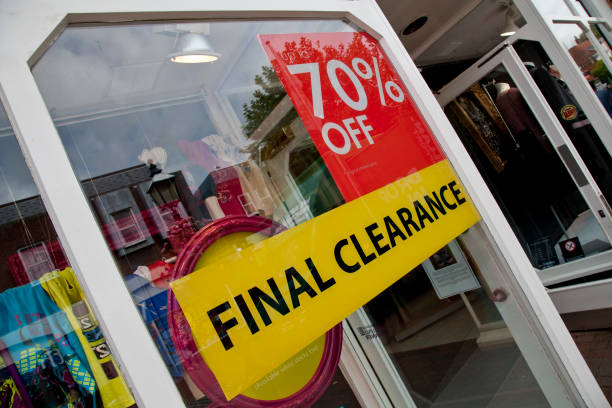
The logic is simple yet powerful. When a company releases a new model, it simultaneously triggers a chain reaction in the secondary market. Retailers need to clear out old inventory to make room for the new arrivals. Manufacturers often offer trade-in promotions that flood the refurbished supply with perfectly functional devices. And early adopters, eager to upgrade to the latest shiny object, sell their barely used year-old gadgets at a fraction of their original price. All of these forces converge to create a window—typically lasting from a few weeks to a few months after a product launch—when previous-gen tech can be acquired for thirty to fifty percent less than its original retail price, often with the same or better performance for everyday use.
Consider the smartphone market. A flagship phone released eighteen months ago still runs all the major apps, takes excellent photos, receives security updates, and offers a premium build quality. The differences between it and the newest model are often marginal: a slightly faster chip that you may never push to its limits, a camera sensor that improves low-light performance by a few percentage points, or a display that is a fraction of an inch larger. Unless you are a power user who demands the absolute bleeding edge in gaming or professional photography, these incremental upgrades rarely justify paying double the price. Meanwhile, the one-year-old refurbished unit, if purchased from a reputable seller with a warranty, will deliver a near-identical experience for hundreds of dollars less. The same principle applies to laptops, where a business-class machine from the previous generation—like a Dell XPS or a Lenovo ThinkPad—can often outperform a newer budget model in build quality, keyboard feel, and longevity.
The key to navigating this market successfully is understanding the different tiers of used and refurbished devices. Not all discounted tech is created equal. Certified refurbished products sold directly by the manufacturer or by major retailers like Amazon and Best Buy undergo rigorous testing, come with new batteries and outer shells, and include a warranty that protects you against defects. These are the safest bet. Open-box items, which were returned by customers within a few days of purchase, are nearly indistinguishable from new and often carry the same return policy. At the other end of the spectrum, private-party sales on platforms like eBay or Facebook Marketplace offer the deepest discounts but carry more risk. Here, your due diligence becomes crucial: check seller ratings, read descriptions carefully, ask about the battery health percentage, and insist on seeing the device powered on before you pay.
Timing is everything in this strategy. The best deals on previous-gen tech do not appear immediately after a launch. The sweet spot is usually three to six months after the new model has been available. By then, the initial rush of early adopters has subsided, retailers have adjusted their pricing to move remaining stock, and the refurbished supply chain has matured. For example, buying a previous-year iPad in November—shortly after the new generation arrives in September—can save you up to forty percent compared to the launch price of the current model. Similarly, high-end laptops like the MacBook Pro often see significant discounts on refurbished units from Apple’s own official store within a few months of a new generation appearing.
Another advantage of buying last year’s tech is that you avoid the teething problems that often plague brand-new hardware. First-generation products frequently come with software bugs, hardware glitches, or overheating issues that get ironed out only in later revisions. The previous model has already endured months or years of real-world use and has received firmware updates that squash early problems. You are essentially buying a mature product with a proven track record, rather than acting as an unpaid beta tester for a company’s latest engineering experiment.
Of course, there are a few caveats to consider. Some technology advances so rapidly that a two-year-old device may feel obsolete in ways that matter to you. For instance, if you rely on the fastest wireless standards, the latest Bluetooth codecs, or cutting-edge camera features for professional work, waiting too long could leave you frustrated. And for devices with non-removable batteries—most modern smartphones and ultrabooks—the battery health of a refurbished unit is a legitimate concern. Always verify that the seller has replaced the battery or that the device’s cycle count is low. Finally, operating system support timelines vary by manufacturer; an Android phone that is two years old may only receive one more major OS update, while an iPhone from the same era might get three or four more years of support. Do your homework on the specific model’s update policy before you commit.
Ultimately, the decision to buy refurbished tech after a new model release is a vote for value over vanity. It rejects the artificial urgency created by marketing departments and embraces a slower, more deliberate rhythm of consumption. You are not missing out on the future by choosing last year’s flagship; you are simply waiting for the future to become affordable. The best part is that this strategy scales with your budget. Whether you are shopping for a budget tablet, a mid-range laptop, or a premium smartphone, the same principle applies: let someone else pay the premium for novelty, then step in when the price has settled and the product’s quality has been proven. By practicing this kind of disciplined timing, you can own excellent technology for a fraction of its original cost, freeing up money for other priorities—or for the next perfect deal that comes along.