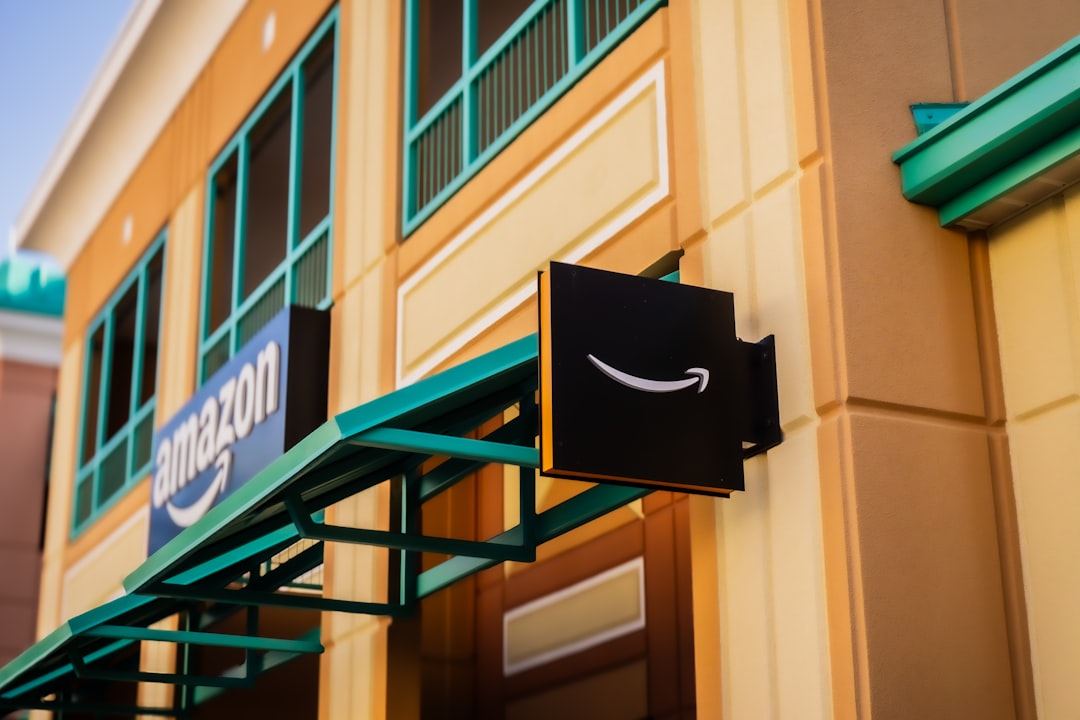

The thrill of the hunt for a great deal has entered the digital age, and at the forefront is the pursuit of open-box items—those returned, display, or lightly used products that major retailers sell at a significant markdown. For the modern consumer, the question arises: can artificial intelligence tools effectively find these coveted discounts? The answer is a resounding yes, but with important nuances. AI-powered platforms and strategies have become sophisticated allies, transforming a once tedious scavenger hunt into a streamlined and highly effective process.
The primary way AI assists is through aggregation and real-time alerting. Dedicated deal-finding websites and browser extensions employ algorithms to continuously scour the websites of major retailers like Best Buy, Walmart, Amazon, and Home Depot. These bots are programmed to identify price reductions, clearance tags, and specifically, open-box designations that might be buried deep within a product page or a special section of the site. Instead of manually checking a dozen stores daily, a user can set up an alert for a specific product model, and the AI will notify them the moment an open-box unit becomes available at any linked retailer. This not only saves immense time but also provides a critical advantage, as the best open-box deals often sell out within hours.
Beyond simple alerts, more advanced AI enhances the decision-making process. Some tools analyze historical pricing data for both new and open-box items, giving the shopper insight into whether the current discount is truly exceptional or just average. Furthermore, natural language processing allows these systems to parse customer reviews and return reasons associated with open-box items. For instance, an AI could highlight that most open-box returns for a particular television were due to “box damage” rather than “faulty panel,“ thereby assessing the risk level of the purchase. This contextual analysis helps buyers move beyond just the price tag to evaluate the potential value and condition with greater confidence.
However, it is crucial to understand the limitations of these AI tools. Their effectiveness is entirely dependent on the data provided by the retailers. If a major retailer does not list its open-box inventory in a structured, online format accessible to web crawlers, even the most advanced AI cannot find it. Some retailers reserve their best open-box deals for in-store purchases only, a realm where most current shopping AIs cannot venture. Additionally, AI can present the deal but cannot perform the final, essential human checks. It remains the buyer’s responsibility to verify the specific condition notes (e.g., “excellent” vs. “satisfactory”), check the warranty details, and confirm return policies for open-box items, which are often more restrictive.
In essence, AI has revolutionized the search for open-box discounts from major retailers, acting as a powerful force multiplier for savvy shoppers. It excels at automating the search across vast digital marketplaces and delivering timely opportunities directly to the user. Yet, it functions best as a remarkable discovery tool rather than a fully autonomous buying agent. The ideal approach is a hybrid one: leverage AI to do the heavy lifting of monitoring and alerting, then apply human judgment to assess the condition details and fine print. By combining the relentless, data-driven capabilities of artificial intelligence with our own critical evaluation, we can unlock unprecedented access to high-quality products at deeply discounted prices, making the promise of open-box savings more attainable than ever before.