The Secret to Never Overpaying: Barcode Scanning for Price Matching
Every shopper knows the sinking feeling of discovering a lower price on an item they just bought, sometimes in the very same store aisle they walked past five minutes ago. Modern retail has made price discrepancies more common than ever, with different chains, online marketplaces, and even physical locations of the same store offering wildly different prices for identical products. But there is a quiet, powerful tool sitting in your pocket that can eliminate this regret entirely: barcode scanning for instant price comparisons. When combined with savvy price matching policies, a simple scan becomes a guaranteed way to never overpay again.
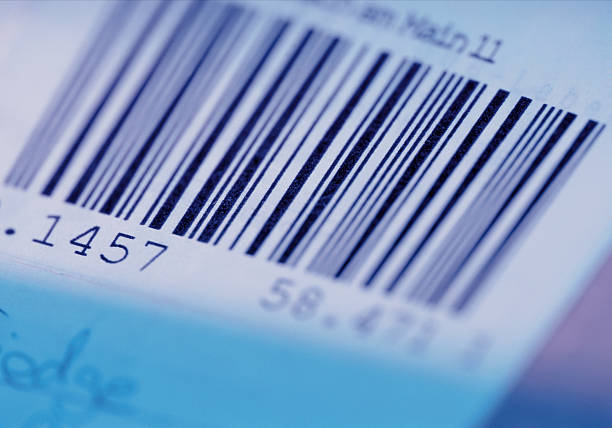
Price matching is a retailer’s promise to honor a lower price offered by a competitor, provided the item is identical and in stock. Most major stores—including Target, Walmart, Best Buy, and Lowe’s—have formal price match policies, but shoppers rarely use them because they lack the real-time information needed to act. Barcode scanning apps and browser tools change this dynamic. By instantly fetching competing prices for any UPC or EAN code, these tools allow you to verify in seconds whether the shelf tag in front of you is the best deal available. And when it isn’t, you can confidently request a price match before you even reach the register.
The process is surprisingly simple. Before placing an item in your cart, open a barcode scanning app on your smartphone. Many retailer-specific apps include built-in scanners, but dedicated comparison tools such as ShopSavvy, PriceGrabber, or the Google Shopping app offer broader coverage. Point your camera at the barcode, and within moments you will see a list of prices from nearby stores and online sellers. If a competitor offers a lower price, you now have leverage. Some stores even allow you to match prices from their own website, which can be lower than in-store prices due to online-only promotions or clearance sales. Scanning your own smartphone screensaver is not a mirage—it is a legitimate money-saving tactic.
But the true art lies in knowing the nuances of each store’s policy. For instance, Target’s price match policy explicitly includes Amazon.com and select online retailers, but excludes third-party sellers on Amazon. Walmart matches prices from its own website and from local competitors, but only for identical items in stock. Best Buy matches prices from most major online and local retailers, including Amazon and Newegg. By memorizing a few key rules and using your scanner to verify eligibility, you can turn a simple price check into an immediate discount. No coupons, no clipping, no waiting for sales—just instant parity with the lowest available price in your region.
The psychological barrier to asking for a price match is often the real challenge. Many shoppers feel awkward or expect a fight with customer service. Yet barcode scanning eliminates the guesswork. When you present a screen showing a lower price from a verified competitor, you are not asking for a favor—you are invoking a written store policy. Most cashiers will honor it without hesitation, especially if you are polite and prepared. The scan provides proof that is hard to dispute, turning a vague complaint into a fact-based request. Over time, this practice becomes a habit that saves hundreds of dollars annually on everything from electronics and kitchen appliances to groceries and cleaning supplies.
Another overlooked opportunity lies in price matching after purchase. Many stores, including Target and Best Buy, offer price adjustments within a limited window (often 14 to 30 days) if the price drops after you buy. By scanning the same barcode a week later, you can catch post-purchase discounts and request a refund of the difference. Some apps even allow you to set price alerts on scanned items, so you receive a notification when the price falls. This shifts scanning from a pre-purchase tool to a long-term savings strategy. You buy with confidence now, knowing you can reclaim money if the market shifts.
The technology itself is evolving rapidly. Browser extensions like Honey and Capital One Shopping now integrate barcode scanning into their broader deal-finding ecosystems. When shopping online, these tools automatically scan product pages for coupon codes and price comparisons. For in-store shopping, the same companies offer mobile apps that leverage your phone’s camera. The line between digital coupons and physical price comparisons is blurring, creating a unified saving experience. Imagine scanning a barcode in a hardware store and immediately seeing not only competitor prices but also available cashback offers from your credit card or a digital coupon for that exact product. That future is already here for those who download the right tools.
There is a catch, however—not all barcode scans are created equal. Some apps only show online prices, which may not qualify for in-store price matching due to shipping costs or different seller terms. Always check the policy of the store where you are standing. Additionally, clearance items and open-box products are usually excluded from price matches. But these exceptions are easy to navigate with a little knowledge. The real power of scanning lies in the routine: scan everything, compare instantly, and never assume a shelf tag is correct. Retailers deliberately set higher prices on certain items knowing that many customers will not check. By scanning, you turn laziness into leverage.
In a world where inflation and shrinkflation make every dollar matter, barcode scanning for price matching is not just a clever hack—it is a rational consumer right. It respects your time and money by delivering real-time transparency. The next time you walk into a store, take one extra second to scan. That single action can transform a regular shopping trip into a negotiation where you hold all the facts. And the best part? The only thing you lose is the habit of paying full price.