
A small tear in a favorite shirt or a split seam in a pair of jeans can feel like an immediate trip to the checkout cart. The moment fabric gives way, the instinct is to start calculating the cost of a replacement, especially when the item in question is a wardrobe staple that gets worn week after week. But before you click “buy” or drive to the mall, there is a far simpler and much cheaper solution sitting in your junk drawer or a basic sewing kit. Mastering the most straightforward repair—the ladder stitch—can extend the life of your clothes by years, protect your budget, and even reduce your environmental footprint. This invisible, hand-sewn technique requires no sewing machine, no previous experience, and only about five minutes of your time, making it the ultimate consumer-friendly skill for anyone who wants to stop replacing and start repairing.
The ladder stitch, sometimes called the invisible stitch or slip stitch, is designed to close a gap from the outside without leaving a visible trace of thread. It works beautifully on torn seams where the fabric edges are still intact and simply need to be pulled back together. Think of the underarm seam of a button-down shirt that has popped open, the side of a cushion cover that has come apart, or the inner thigh of a pair of trousers where the stitching has simply given way. These failures are not the result of destroyed fabric; they are typically just thread fatigue. Factory stitching can weaken over dozens of wash and wear cycles, but the material itself remains perfectly functional. Replacing the item because of a few broken threads is like trading in a car because the door handle came loose. The ladder stitch allows you to tighten that handle back in place, invisibly and permanently.
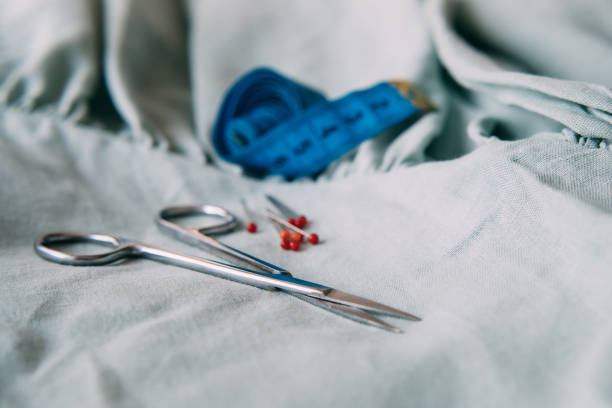
So what makes this repair so simple? You only need a needle, thread that matches the garment, and a pair of scissors. No fancy gadgets, no trip to a tailor. Begin by turning the garment inside out for the easiest access to the seam, though you can certainly work from the outside if you prefer to see how the repair will look from the public side. Thread your needle and tie a small knot at the end. Starting just before the beginning of the tear on one side, insert the needle from the inside of the fabric so the knot will be hidden when the garment is right-side out. Then, instead of simply whipping the edges together in a way that bunches and shows, you create a series of horizontal ladders. Move to the opposite side of the opening and pick up a tiny bit of fabric, just a millimeter or two, running your needle parallel to the tear. Pull the thread through, then cross back to the first side and take another small bite directly across from the last stitch. You are creating rungs on a ladder, alternating from one side to the other. After every few stitches, gently pull the thread tight. Magically, the two edges will draw together, and the thread will vanish between them. When the entire gap is closed, secure the thread with a couple of tiny backstitches on the inside, snip the excess, and turn the garment right-side out. What remains is a seam that looks exactly as it did the day you bought it.
The beauty of this technique, especially through the lens of a savvy shopper, is that it fundamentally changes the economics of your wardrobe. Clothing prices have risen, yet the quality of off-the-rack fast fashion has not kept pace. A forty-dollar blouse or a seventy-dollar pair of jeans might only survive a season if every minor mishap sends it to the donation bin. The ladder stitch, by effectively erasing the damage, keeps those items in rotation. Now, you can shift your spending from emergency replacements to intentional investments. Instead of buying three identical white t-shirts a year because the seams blow out, you can buy one higher-quality version, repair it as needed, and still come out ahead financially. This approach also empowers you to shop secondhand with confidence. When you know that a split lining in a vintage jacket or a torn pocket in a designer handbag can be fixed in minutes for pennies, your access to steeply discounted treasures expands enormously. The simplest repair becomes a key that unlocks the best deals in thrift stores and online resale platforms.
Furthermore, this minimalist repair method avoids the bulk and discomfort that often come with iron-on patches or fabric glue. Those quick fixes have their place for catastrophic rips in the middle of a fabric panel, but for seam splits, they add stiffness and a visible patch that screams “mend.” The ladder stitch, by contrast, preserves the drape and feel of the original garment. It works on delicate silks, sturdy denim, knits, and everything in between. There is no heat-setting, no risk of scorching, and no chemical smell. It is truly the gentlest way to bring a garment back to life, which matters when you are trying to protect a big-ticket purchase like a tailored blazer or a silk dress.
The environmental argument is just as compelling as the financial one. The average consumer throws away a shocking amount of textiles each year, and much of that waste is triggered by minor, repairable damage. By taking five minutes to close a seam with a needle and thread, you actively prevent a garment from entering a landfill. The simplest sewing repair is, in many ways, one of the most impactful acts of sustainable consumption available to the average household. It requires almost no resources, generates zero waste, and displaces the need for new manufacturing. When you frame it that way, the little knot at the end of your thread represents a significant knot you are tying in the cycle of overconsumption.
To make the habit stick, integrate a tiny repair ritual into your routine. Leave a pre-threaded needle and a few basic colors—black, white, navy, beige—in a dedicated spot where you fold laundry. The moment you notice a split seam, you can fix it in the time it takes to listen to a single song. The barrier to entry is so low that it becomes harder to justify ignoring the tear than to simply mend it. Over a year, those cumulative five-minute fixes can save you hundreds of dollars and a dozen impulsive replacements. The simplest way to repair a small tear or seam is not just a domestic skill; it is a consumer superpower hiding in plain sight. With nothing more than a needle and thread, you reclaim the value of the items you already own, ensuring they serve you for years instead of seasons.