The Sneaky Art of Stacking Amazon Coupons with Subscribe-and-Save

You already know Subscribe-and-Save is the lazy person’s way to never run out of toilet paper or coffee beans. But what you might not realize is that you’re leaving money on the table every single month if you’re not actively hunting for the little green coupon boxes that hide on product pages. The real magic of modern couponing isn’t clipping paper or driving to three different stores. It’s learning how to stack Amazon’s digital coupons on top of an already discounted Subscribe-and-Save price, and doing it without ever feeling like you’re a pawn in some algorithm’s game.
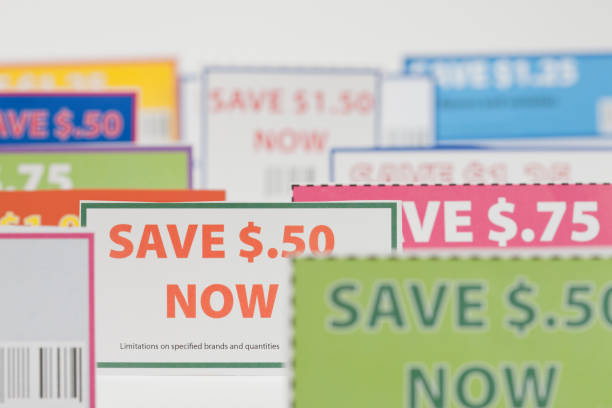
Here’s how it works in plain English. When you open any product page on Amazon that qualifies for Subscribe-and-Save, you’ll typically see a percentage off for your first delivery—usually five or fifteen percent depending on how many subscriptions you have. That discount is automatic. But scroll a little further down the page, right under the price, and you might spot a separate checkbox that says “coupon” with an amount like “$2.00 off” or “10% off.” That coupon is not automatic. You have to actively click the little box to clip it, and here’s the crucial part: that coupon stacks with your Subscribe-and-Save discount. Not instead of it. On top of it. So a box of laundry detergent that’s already priced at eleven dollars with a fifteen percent subscription discount can drop another two dollars just because you took two seconds to check a box.
The trick is to make coupon-clipping a habit, not a chore. Before you ever commit to a Subscribe-and-Save shipment, do a quick swipe through your regular household staples—dishwasher pods, paper towels, protein bars, pet food, vitamins, even trash bags. Amazon rotates coupons constantly. Some last for days, some for weeks, and some are only visible if you are logged in and browsing from a desktop rather than the app. Yes, that’s annoying, but worth it. If you see a coupon listed, add that item to your subscription even if you don’t need it for another two weeks. Amazon lets you schedule deliveries in monthly intervals, and you can move up a future delivery date anytime without losing your discount. So if you spot a great coupon on something you use regularly, you can shift that item to arrive sooner than scheduled—just go to your Subscribe-and-Save dashboard, click the date, and choose the earliest available slot. That’s free money for zero extra effort.
But here’s the part that trips up most bargain hunters: never assume the Subscribe-and-Save price you see today is the price you’ll pay on delivery day. Amazon’s prices are as stable as a toddler with a juice box. They move. That’s why you need to check your upcoming orders about two days before each delivery date, because that’s when Amazon finalizes the charge. If a price jumped up or a coupon expired, you can cancel an upcoming shipment without penalty as long as you do it before it ships. The smarter move is to keep a few optional subscriptions in your queue purely as “coupon canaries”—things you don’t strictly need but would buy anyway if the price is right. When a great coupon appears, you add the item. When the coupon disappears, you drop it. That way you’re never paying full price for something just because you forgot to babysit your subscription list.
Another angle that most people overlook is the link between Subscribe-and-Save and the Subscribe-and-Save “delivery day” discount. If you schedule multiple subscriptions to arrive on the same day, Amazon bumps the discount from five percent to twenty percent on some items. That’s huge. Combine that with a clipped coupon, and you can easily get a product for forty percent below its normal shelf price. For a family that goes through a lot of essentials, that’s not just chump change—that’s a free meal out every month. The catch is that you need at least five subscriptions arriving in the same month to hit that top tier. But you don’t need all of those to be things you urgently need. Add subscription slots for everyday reorders like toothpaste, conditioner, dishwasher rinse aid, allergy pills, and cat litter. Even if you skip a few months here and there, the ones that do ship will carry that higher discount.
One more secret: Amazon’s coupons often expire at the end of the month, and the new batch drops on the first. So your monthly ritual should be simple. On the first of every month, spend five minutes browsing the products you subscribe to. Clip any new coupons. Adjust delivery dates if you want to take advantage of a temporary price drop. Then set a calendar reminder for the day before your shipment is scheduled to confirm the final price hasn’t crept up. That’s it. No clunky binders, no going store to store, no wasted gas. Just steady, quiet savings that add up to a hundred dollars or more a year on stuff you were going to buy anyway.
Stop treating Subscribe-and-Save like a set-and-forget subscription service. Treat it like a living bargain bin that rewards you every single month for paying attention. The coupons are sitting right there, waiting for a click. Go get yours.