
Mastering the art of grocery shopping extends far beyond clipping coupons or choosing store brands. One of the most potent, yet often overlooked, strategies for significantly reducing your food bill lies not in what you buy, but in when you buy it. Strategic timing can unlock hidden discounts, ensure peak freshness, and align your cart with the store’s inventory cycles, leading to profound savings over time. The key is to understand the rhythmic patterns of a supermarket and to synchronize your visits accordingly.
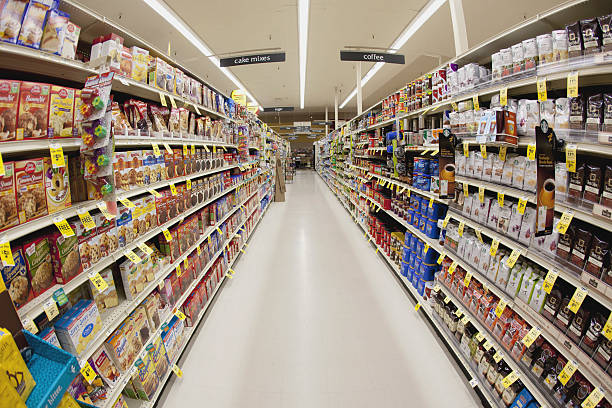
The weekly sales cycle forms the foundational beat of grocery savings. Most major chains launch their new sales flyers on a specific day, typically Wednesday or Thursday. Planning your primary shopping trip for the day these sales begin offers a dual advantage. You gain first access to the newly advertised loss leaders and specials, ensuring the best selection before popular discounted items sell out. Furthermore, this timing often allows you to capitalize on markdowns from the previous week’s cycle, as stores need to clear shelf space for incoming promotional items. Seeking out these last-chance discounts, often marked with bright yellow stickers, can yield exceptional value on products that are still perfectly good.
Delving deeper into the day itself reveals another layer of opportunity. The quietest hours, often weekday mornings, are not just for a peaceful stroll through the aisles. This is when store staff are most actively stocking shelves and, crucially, marking down perishable items. If your schedule allows, a mid-morning visit increases your chances of finding reduced-price meats, bakery goods, and dairy products with soon-to-expire sell-by dates. These items are ideal for immediate consumption or for freezing, effectively locking in the low price for future use. Conversely, shopping during peak hours on weekends or late afternoons often means facing picked-over selections and missing these fleeting markdown opportunities.
For the non-perishable staples that form the backbone of your pantry, a longer-term, seasonal perspective is essential. Grocery stores, much like clothing retailers, cycle through items based on the calendar. Stock up on barbecue supplies, condiments, and frozen burgers at the end of summer, not the beginning. Purchase baking spices, canned pumpkin, and stuffing mix in the weeks following Thanksgiving and Christmas. Holiday-themed candies and snacks are dramatically discounted post-event. By anticipating these cycles and buying when demand plummets, you can secure a year’s supply of certain items at a fraction of their regular cost.
Finally, the modern grocery landscape offers a digital timing tool: the grocery store app. These applications are invaluable for real-time planning. Many feature digital coupons that can be clipped directly to your loyalty card, but their true power for timing lies in their inventory of personalized deals and “flash sales.” Checking the app while meal planning, or even while in the store, can reveal unadvertised specials or targeted offers that make an item worth buying immediately. Furthermore, some stores now indicate when select items are on a “clearance” or “manager’s special” price within the app itself, acting as a digital treasure map to the day’s best hidden deals.
In essence, transforming your grocery budget requires shifting from a reactive to a proactive mindset. It is about observing the store’s operational tempo—the weekly ad changeover, the daily markdown routines, and the annual seasonal shifts—and then deliberately inserting yourself into that timeline at the most advantageous points. This disciplined approach to timing, combined with mindful meal planning around the deals you find, compounds savings in a way that random shopping trips never can. The result is a fuller cart, a more varied pantry, and a noticeably healthier bank balance, proving that in the world of grocery savings, timing truly is everything.