The Strategic Synergy of Store Loyalty Programs and Digital Coupon Tools
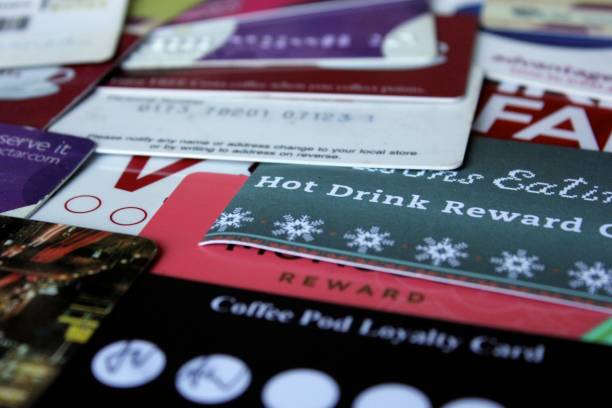
In the modern consumer landscape, the most significant savings often lie not in a single discount but in the art of combining multiple offers. While many shoppers treat store loyalty programs and digital coupon tools as separate entities, the true power of frugality emerges when these two forces are strategically aligned. Mastering this synergy requires an understanding of how browser extensions and digital coupon aggregators can unlock the hidden potential of store membership rewards, transforming casual purchases into a layered system of compounding value.
At the heart of every major retailer’s loyalty program is a promise: earn points, receive exclusive discounts, and gain early access to sales. What many shoppers overlook is that these benefits can be dramatically amplified by using digital coupon tools. For instance, a browser extension like Honey, Capital One Shopping, or Coupons.com automatically scans the checkout page for applicable promo codes. When combined with a store loyalty account that already offers member-only pricing, the result is a double discount. The loyalty program provides a baseline reduction, perhaps ten percent off for members, while the browser tool finds an additional coupon code for free shipping or a further percentage off. This stacking effect is rarely advertised but is entirely legitimate, provided the terms of the loyalty program do not explicitly prohibit the use of third-party codes.
Furthermore, cashback browser tools such as Rakuten, TopCashback, and Swagbucks add a third layer. These platforms pay users a percentage of their purchase total simply for clicking through their links before shopping. When a shopper is already enrolled in a store’s loyalty program, the cashback percentage applies to the final amount after loyalty discounts and coupon codes have been applied. This creates a compounding chain: the loyalty discount reduces the subtotal, the digital coupon reduces it further, and the cashback browser pays a percentage of that already reduced figure. Over time, these modest percentages accumulate into substantial annual savings, especially on frequent purchases like groceries, drugstore items, and household essentials.
The timing of enrollment also matters greatly. Many store loyalty programs offer a sign-up bonus, often in the form of a five or ten dollar credit after the first purchase, or a percentage off the initial transaction. By using a digital coupon browser extension at the same moment, a new member can double that introductory reward. For example, joining a store’s loyalty program and immediately applying a browser-found coupon of twenty percent off can turn a fifty-dollar first purchase into a thirty-five-dollar purchase, with the loyalty bonus credit applied on top for subsequent visits. This strategy requires only a few seconds of planning but yields an outsized return.
Another powerful intersection lies in the personalization features of advanced loyalty programs. Retailers such as Target, CVS, and Kroger analyze purchase history to offer targeted digital coupons directly within their apps or websites. These tailored offers are often more generous than generic discounts. However, a savvy shopper can use browser tools to cross-reference these personalized coupons with national sales and additional codes. For instance, a CVS ExtraCare member might receive a coupon for three dollars off a specific shampoo brand. By first checking a browser extension or coupon database site for a manufacturer’s digital coupon on that same shampoo, the shopper can apply both discounts at the register, often reducing the price to near zero. The key is to load both the store-specific loyalty coupon and the general digital coupon into the checkout system, a process that many digital tools simplify by automatically finding and applying the best combination.
Mobile browser tools further enhance this synergy. While shopping in-store, a consumer can open the store’s loyalty app on their phone, view available offers, and simultaneously use a mobile coupon browser extension to search for additional codes. Some extensions even allow users to save coupon codes to a digital wallet, which can be scanned at the register alongside the loyalty barcode. This seamless integration means that the distinction between online and in-store shopping dissolves, making it possible to deploy digital coupon strategies in any retail environment.
Yet many shoppers fall into a common trap: they join loyalty programs but never engage with the associated digital tools, or they use browser extensions but neglect to link their loyalty accounts. The missed savings are substantial. For example, a shopper who regularly buys pet supplies from a major retailer might be enrolled in its rewards program but never check for exclusive member coupons within the store’s app. By pairing that app with a cashback browser extension, they could earn points on every purchase, receive periodic dollar-off offers, and collect cashback from the browser tool — all without changing their shopping habits. The effort required is minimal: install the extension, create a loyalty account if not already done, and remember to activate the cashback portal before each purchase.
Beyond immediate monetary savings, this combined approach also yields data-driven insights. Many digital coupon tools provide price history charts or alert users when an item drops below a certain price. Loyalty programs often send personalized sale notifications. By leveraging both, a consumer can time their purchases with precision, buying when the loyalty discount, the digital coupon, and the cashback rate align favorably. This strategic patience turns passive shopping into an active, rewarding discipline.
Ultimately, the marriage of store loyalty programs and digital coupon tools represents the peak of modern consumer efficiency. It requires no complicated math or specialized software, only the willingness to layer benefits and think of discounts as cumulative rather than exclusive. The consumer who embraces this synergy will find that every checkout becomes an opportunity to save more, not through luck, but through deliberate integration. The rewards are real, repeatable, and remarkably easy to claim.