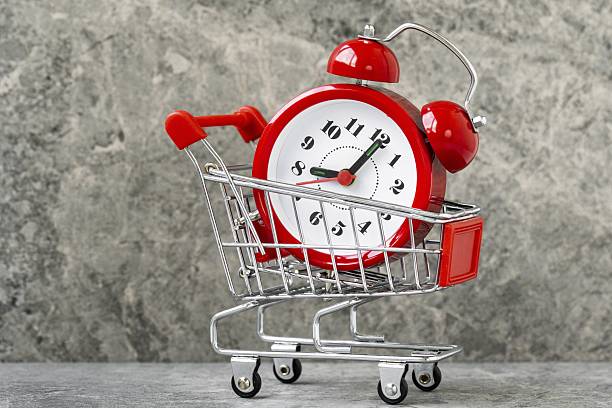

Setting a price alert is only half the battle; the real art lies in knowing when to set it. Consumers who treat price alerts as a set-it-and-forget-it tool often miss the deepest discounts because they fail to account for the natural rhythm of retail pricing. Seasonal sales cycles, product release schedules, and inventory management all create predictable windows where prices plunge. By aligning your price alert thresholds with these patterns, you can automate your savings far more effectively than by simply monitoring an arbitrary price point.
The first principle of strategic alert timing is understanding the product lifecycle. For big-ticket electronics like laptops, televisions, and smartphones, the biggest price drops occur shortly after a new model is announced. A price alert set three months before a major product launch will likely trigger at a moderate discount, but the real opportunity comes in the weeks immediately following the release. Retailers slash prices on previous-generation inventory to clear shelf space. If you set your alert to trigger at a discount of thirty percent or more and time it to coincide with the announcement season, you position yourself to catch that steep drop rather than settling for the modest ten or fifteen percent off that appears earlier.
Seasonal retail calendars offer another layer of predictability. Major appliances, for example, follow a well-documented pattern: new models arrive in September and October, making November through January the prime window for discounts on last year’s stock. Setting a price alert in August for a refrigerator or washing machine, with a target price that reflects a twenty-five percent reduction, will likely remain quiet until late autumn. But that silence is strategic. If you set the alert too early, you risk becoming impatient and buying at a mediocre discount. If you wait until the sale event itself, you might miss the alert because prices can fluctuate rapidly. The ideal approach is to set your alert two to four weeks before the expected seasonal dip, giving yourself time to monitor the trend and pull the trigger when the price reaches your target.
Another factor often overlooked is the day of the week. Numerous studies show that many retailers update prices on Tuesday or Wednesday mornings, and that weekend prices tend to be higher due to increased foot traffic and impulse buying. If you set a price alert to notify you immediately, but you check your phone on a Saturday, you might see a price that is already inflated. By adjusting the alert’s sensitivity—choosing a threshold that accounts for typical midweek lows—you can avoid false positives. Some advanced alert platforms allow you to set a “wait and watch” mode that only notifies you after the price has held at or below your target for a certain number of days. This filters out temporary dips caused by flash sales or pricing errors that often revert quickly.
For seasonal categories like patio furniture, grills, or holiday decorations, the opposite timing works. Prices are lowest during the off season, but only for a limited window before retailers clear out inventory completely. A price alert set for a winter coat in October might trigger at a modest discount, but the real bargains arrive in January and February. However, if you wait too long, sizes and colors vanish. The solution is to set multiple alerts: one at a moderate threshold in early winter to snag a good deal before stock runs low, and a second at a deeper threshold for late winter if you are willing to risk limited selection. This layered approach ensures you are notified at the optimal point in the clearance curve.
Weather and calendar events also influence pricing on big-ticket items like mattresses, which often see deep discounts around Presidents’ Day, Memorial Day, and Labor Day. Setting a price alert two months before any of these holidays allows you to see the price trajectory. If the price is already low, you can buy early; if it is high, you know to wait for the holiday sale. The alert becomes a tool for confirmation rather than discovery.
Ultimately, the most effective price alert strategy is not about being the first to see a low price—it is about being ready when the low price aligns with your personal timeline. By synchronizing your alert settings with the predictable rhythms of retail, you transform a passive notification into an active savings engine. The automation does the watching; your strategic timing does the winning.