
In an era of instant gratification and disposable fashion, the simple act of threading a needle to reattach a button can feel like a quaint relic of the past. Why, one might ask, should I learn such a mundane skill when a replacement shirt is a click away or a tailor is just around the corner? The answer, however, extends far beyond the mere securing of fabric. Learning to sew on a button is a small but profound act of reclamation—a gesture of independence, mindfulness, and connection that quietly fortifies us against the fragility of a throwaway world.
At its most practical level, this skill is an emancipation from helplessness. Imagine the moment a button pops from a favorite coat before an important meeting, or dangles precariously from a well-loved shirt. Without the knowledge to mend it, you are left at the mercy of schedules, store hours, and additional expense. Knowing how to sew it on yourself transforms that minor crisis into a five-minute fix, restoring not just the garment but your own sense of agency. It is a declaration of self-reliance, a proof that you are not entirely dependent on complex systems for the most basic upkeep of your life. This competence builds a quiet confidence, a tangible satisfaction in being able to care for your own belongings and solve a problem with your own hands.
Furthermore, the process itself is a forced pause, a miniature lesson in mindfulness. In our digitally saturated lives, sewing demands a singular focus. You must steady your hands, align the button, and concentrate on the rhythmic, repetitive motion of the needle. This tactile engagement pulls you into the present moment, offering a rare silence that is both meditative and productive. The anxiety of a scrolling mind dissipates into the simple, achievable goal of creating a few secure knots. In this way, sewing a button becomes a form of active repair, not just for the garment but for your own scattered attention. It is a reminder that your hands are capable of creation and restoration, not just tapping and swiping.
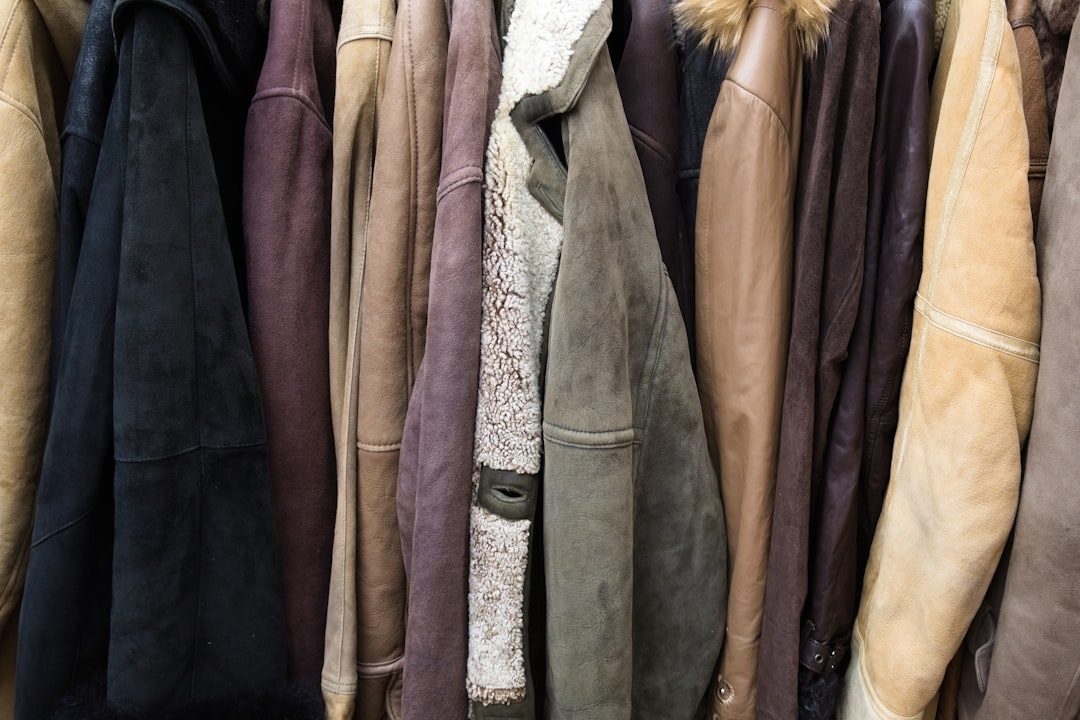
On a broader scale, this simple act is a quiet rebellion against the culture of disposability. Fast fashion has conditioned us to view clothing as ephemeral, discarding items at the first sign of wear. Sewing on a button is a conscious choice to extend the life of a garment, to value the resources it represents and the memories it may hold. It fosters a deeper relationship with our possessions, transforming them from commodities into cared-for objects. This mindful stewardship is an environmentally conscious practice, reducing waste one stitch at a time. It is a personal, hands-on contribution to sustainability that is far more resonant than any abstract slogan.
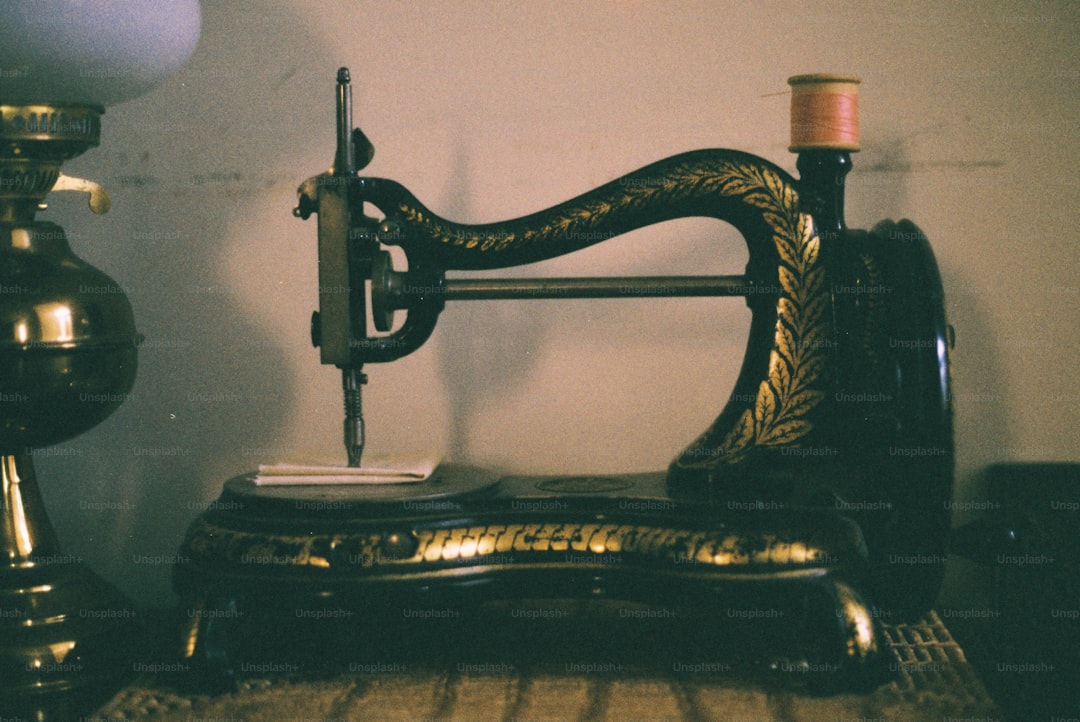
Finally, sewing on a button connects us to a fundamental human legacy. It is one of the most basic and universal forms of mending, a skill passed down through generations. In learning it, you join a continuum of caretakers and fixers. You might remember a parent or grandparent performing the same task, linking you to their practicality and resilience. It is a humble thread to our past, a grounding in the reality that things require care, and that care is a form of respect. This connection imbues the act with a subtle dignity, elevating it from chore to ritual.
Ultimately, the button is merely the occasion. The true reason to learn is to cultivate resilience, presence, and responsibility. It is a small, concrete skill that carries disproportionate weight, anchoring you in competence, patience, and thoughtful living. In a world that often feels complex and broken, here is a tiny, perfect opportunity to make something whole again, starting with just a needle, some thread, and your own two hands.