
In an age of digital transactions and paperless promises, the humble paper receipt often seems like a relic, destined for the bottom of a shopping bag or the depths of a junk drawer. Yet, dismissing this small slip as mere clutter is a significant financial and practical misstep. Keeping your original receipts is not an exercise in hoarding but a crucial strategy for protecting your investments, ensuring your rights, and navigating the complexities of modern life with confidence and proof.
The most immediate and tangible reason to safeguard receipts is for warranty and guarantee claims. While a product box or a credit card statement might indicate a purchase, the original receipt is the universal key that unlocks manufacturer support. It is the primary document that verifies the date of purchase, the exact price paid, and the specific retailer. Without it, a warranty period becomes a guessing game, often defaulting to the date of manufacture, which can significantly shorten your coverage. For high-ticket items like electronics, appliances, or tools, this could mean the difference between a free repair and a costly out-of-pocket expense. The receipt transforms a verbal promise into an enforceable agreement.
Beyond warranties, original receipts are indispensable for returns and exchanges. Retailers, both large and small, almost universally require an original receipt to process a return for cash or store credit. Their policy is not mere bureaucracy; it protects their business from fraud and confirms the item was purchased at their store at a specific price. A bank statement may show a transaction, but it does not list the item, its model number, or the store’s specific return policy tied to that sale. The original receipt provides an irrefutable audit trail, smoothing what can often be a stressful consumer interaction and ensuring you receive the full value back for your unwanted or defective item.
The importance of original documentation extends profoundly into the realm of taxes and insurance. For homeowners, renters, and small business owners, receipts are the bedrock of financial claims. When filing taxes, business expenses, charitable donations, or medical costs must be substantiated with original receipts if questioned by tax authorities. Similarly, in the unfortunate event of a burglary, fire, or natural disaster, an insurance claim for lost possessions requires proof of ownership and value. A home inventory backed by original receipts, photographs, and serial numbers is exponentially more powerful than a simple list. It provides concrete evidence to an insurance adjuster, ensuring you are compensated fairly and not left to rely on depreciated “actual cash value” estimates.
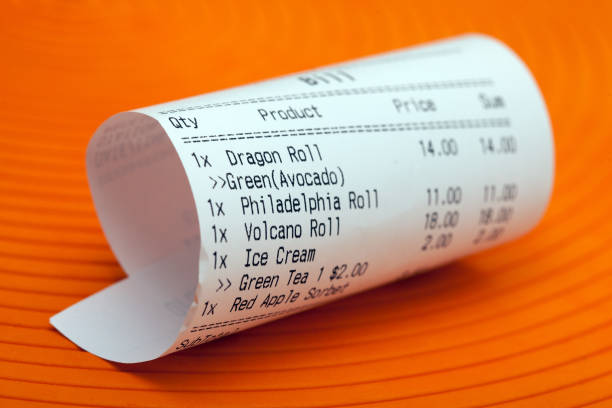
Furthermore, receipts serve a vital role in personal budgeting and financial awareness. While apps can track spending categories, the itemized receipt offers a granular view of your habits—revealing not just how much you spent at a grocery store, but exactly what you purchased. This level of detail is invaluable for identifying spending patterns, comparing prices over time, and managing household inventories. It turns abstract budget numbers into a concrete record of choices, empowering more informed financial decisions.
In essence, the original receipt is a compact instrument of proof and power. It is a legal document, a financial record, and a personal ledger all in one. In a dispute, it is your evidence; in a claim, it is your validation; in planning, it is your data. While it is wise to digitize receipts using scanners or apps for organization and to combat thermal paper fade, the principle remains: securing that original proof of transaction is a simple, proactive habit with disproportionately large rewards. It is a small act of diligence that safeguards your purchases, maximizes your rights as a consumer, and provides peace of mind in an uncertain world. That fleeting moment of tucking a receipt into a designated folder is, in reality, an investment in security and clarity for your future self.