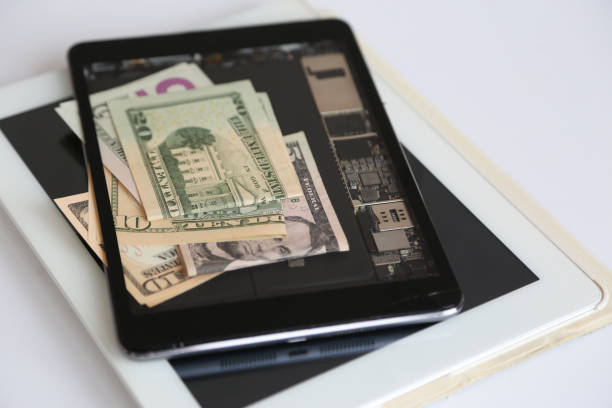

In the relentless cycle of tech upgrades, a new phone, laptop, or tablet often means an old one gets shoved into a drawer, forgotten. This is a missed opportunity. Selling your used electronics is one of the most effective, no-nonsense ways to directly offset the cost of new purchases. It transforms a dormant asset into active cash, softening the financial blow of modern technology. The process is simpler than many assume, and with a methodical approach, you can maximize your return with minimal hassle.
The first and most critical step is preparation. A device’s value is directly tied to its condition and completeness. Before you even think about listing it, give it a thorough cleaning. Wipe down the exterior, remove any dust from ports, and clean the screen properly. More importantly, perform a full factory reset. This erases all your personal data, accounts, and files. Do not skip this step; it protects your privacy and is expected by any serious buyer. Gather every accessory that came in the original box—the charger, cable, original headphones, and any adapters. Having the original box itself can surprisingly add value. A complete package signals care and often justifies a higher asking price.
Next, you must determine a realistic price. Do not base your price on what you paid or what you feel it’s worth emotionally. The market dictates the value. Spend ten minutes researching completed listings on major resale platforms like eBay or Swappa. Look for devices in similar condition with similar accessories. This gives you a concrete, competitive price range. Remember, pricing it slightly below the average can lead to a much faster sale, which is often preferable than holding out for an extra twenty dollars for weeks.
Choosing where to sell is a strategic decision balancing speed, convenience, and profit. You have three main avenues. Online marketplaces like eBay or Facebook Marketplace offer the highest potential return, as you are selling directly to another consumer. However, this requires more work: you create the listing, handle inquiries, negotiate, and manage shipping or meetups. For a hands-off approach, consider dedicated buyback companies like Gazelle or Decluttr. You get a quote online, mail your device in a pre-paid box, and receive a payment. It’s fast and easy, but the price will be lower, as you’re paying for that convenience. Finally, trade-in programs from retailers like Best Buy, Apple, or your wireless carrier are the simplest. You often get the credit instantly toward a new purchase, but the cash value is typically the lowest of all options. Your choice depends on whether you prioritize maximum cash or maximum ease.
A successful sale hinges on honest presentation. Take clear, well-lit photos from multiple angles. Photograph any imperfections—scratches, dings, or worn spots—close up. Hiding flaws will only lead to disputes and returns. In your description, be brutally factual. State the model, storage capacity, carrier lock status, battery health percentage if known, and explicitly note any issues. Transparency builds trust and prevents post-sale headaches. Once sold, use a trackable shipping method and require a signature for high-value items if the platform allows. This protects you from “item never arrived” claims.
Ultimately, selling your old gear is not a side hustle; it’s a fundamental part of being a cost-conscious tech consumer. That outdated phone in your junk drawer isn’t just clutter—it’s a subsidy for your next upgrade. By taking a few practical steps to clean, research, and list your device honestly, you convert obsolete technology into a direct discount. It’s a straightforward financial move that makes new tech more affordable and keeps useful devices in circulation, a clear win for your wallet and a sensible step toward reducing your overall electronics expenses.