
In an era where digital access often overshadows physical experience, public libraries have evolved into dynamic community hubs offering far more than books. Among their most impactful and popular innovations is the library museum pass program, a transformative service that leverages institutional partnerships to provide free or discounted admission to local cultural venues. At its core, a museum pass program is a collaborative initiative between a public library system and area museums, science centers, zoos, botanical gardens, and historical sites. This program allows library cardholders to “check out” a pass, much like a book, which grants their family or group entry to a participating institution, effectively removing the financial barrier that might otherwise prevent such an enriching outing.
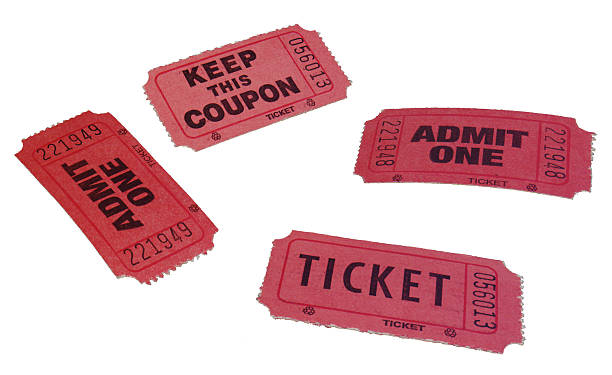
The operational mechanics of these programs are as varied as the institutions they serve, yet they follow a common principle of shared access. Typically, a library will purchase or secure a limited number of passes from each cultural partner, often through a combination of municipal funding, dedicated endowments, or Friends of the Library fundraising. These physical or digital passes are then made available for reservation through the library’s catalog system. Patrons can book a pass for a specific date, with loans usually lasting for one to three days. Some libraries circulate physical admission tickets or membership cards, while others utilize a model where the patron prints out a timed-entry voucher or simply shows their library card and a reservation confirmation at the venue’s ticket desk. The critical rule is that passes are in high demand, so they are loaned for a short duration and often include fines for late returns to ensure equitable circulation among all community members.
The profound value of museum pass programs extends well beyond complimentary tickets; they are a powerful tool for social equity, education, and community vitality. Financially, they democratize access to cultural enrichment, ensuring that a family’s budget constraints do not preclude a child from marveling at dinosaur skeletons, exploring interactive science exhibits, or finding inspiration in world-class art. This aligns perfectly with the foundational library mission of providing free access to information and ideas. Educationally, these passes transform abstract concepts from school curricula into tangible, memorable experiences, fostering lifelong learning and curiosity for patrons of all ages. For the partnering museums, the program serves as vital community outreach, introducing their collections to new and diverse audiences who may become future members, donors, or advocates. It cultivates a culture of engagement, inviting residents to explore and take pride in their local cultural assets.
Ultimately, a library museum pass program is a brilliant synergy of civic resources. It represents a shared investment in the community’s intellectual and social capital, weaving together the library’s mandate for access with the museum’s mission of preservation and education. By converting the library card into a key that unlocks multiple doors across the city, these programs strengthen the fabric of the community, encourage family interaction, and promote a more informed and culturally literate public. They are a testament to the evolving role of the library as a proactive curator of experiences, proving that its most valuable offerings are not just items on its shelves, but the opportunities it creates for connection, discovery, and wonder in the wider world.