Unlocking Hidden Cash Back on Household Essentials Through Browser Extensions
Most consumers instinctively reach for coupons or sale flyers when buying big-ticket items like electronics or furniture. Yet the true financial sleeper hit lies in the everyday purchases that quietly drain budgets: groceries, cleaning supplies, personal care products, and over-the-counter medications. These routine buys, repeated weekly or monthly, represent a steady stream of spending that most people never think to optimize. Fortunately, a new generation of browser extensions has made earning cash back on these household essentials almost effortless, requiring nothing more than a one-time installation and a habit of shopping online.
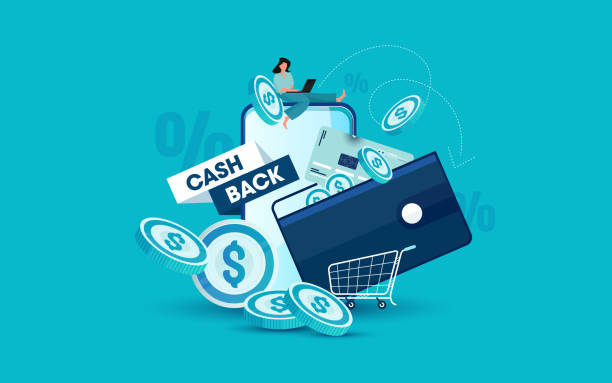
The concept is simple but powerful. Browser extensions such as Rakuten, Honey, Capital One Shopping, and SwagButton work by tracking your online shopping activity and automatically applying available coupon codes while also giving you a percentage of your purchase back in cash or points. For everyday items that typically carry thin profit margins—think toilet paper, dish soap, or toothpaste—even a modest one or two percent cash back adds up over the course of a year. When you consider that the average American household spends roughly five thousand dollars annually on groceries and household supplies alone, a consistent two percent return puts one hundred dollars back in your pocket with zero additional effort beyond the initial setup.
The real magic of these tools lies in their ability to stack benefits. A single purchase can be optimized by layering a browser extension’s cash back with a store’s loyalty program, a manufacturer’s digital coupon, and a credit card that offers rotating bonus categories. For example, imagine buying laundry detergent from a major retailer like Target. You first activate the store’s loyalty discount through your Target Circle account on the retailer’s website. Then, a browser extension like Rakuten checks for ongoing cash back offers—perhaps three percent back on household items that week. Meanwhile, Honey might pop up with a promo code for free shipping or an extra dollar off. Finally, you pay with a credit card that offers an additional two percent cash back on drugstore or grocery purchases. Each layer seems small, but combined they can reduce the effective cost of that detergent by ten percent or more. Over dozens of purchases throughout the year, the savings become substantial.
One common misconception is that these browser tools only work for large retailers or specific product categories. In reality, many extensions cover a wide range of online merchants that sell everyday essentials, including Amazon, Walmart, Chewy, and even drugstore chains like CVS and Walgreens. For Amazon specifically, some extensions show you historical price data, alert you to price drops, and give you cash back simply by clicking through their portal before adding items to your cart. Since Amazon is often the default source for household staples like paper towels, trash bags, and vitamins, this single integration can yield hundreds of dollars in annual cash back for a family that orders replenishments automatically.
Using these extensions does require a small behavioral shift. The most effective approach is to install them on your primary desktop browser and then, before making any online purchase, open a new tab and navigate to your preferred cash back portal. From there, click the link to the store you want, and the extension will automatically track your session. Some users worry about privacy and tracking, but the major players in this space are transparent about data usage—they earn an affiliate commission from the retailer when you purchase through their link, and a portion of that commission is shared with you as cash back. You are not being charged any fee, and your personal payment information is never shared with the extension.
For those who prefer to shop in physical stores, some apps like Ibotta or Fetch Rewards offer a different model: you scan your receipt after making a purchase to receive cash back on specific items. While less automated than browser extensions, these apps can complement your online strategy. The key is to treat both channels as part of a single system. Create a mental checklist: before buying anything online, activate the browser extension; before heading to the store, check your receipt-scanning app for available offers. Over time, this habit becomes second nature.
A common mistake is installing only one extension and assuming it captures all possible deals. In reality, different portals offer different cash back rates for the same store on the same day. Using a comparison tool like Cashback Monitor or simply checking two extensions before completing a purchase can reveal a one percent difference that, over many transactions, matters. Another pitfall is forgetting to activate the extension after a long period of non-use. To avoid this, set a recurring weekly reminder to verify that your extensions are still logged in and functioning, especially after browser updates.
The cumulative effect of earning cash back on everyday purchases is profound not because of any single transaction but because of the frequency and consistency of the behavior. A ten-cent saving on a box of cereal seems trivial; a three-dollar cash back on a month’s worth of cleaning supplies feels small. Yet when these micro-savings compound across all household categories over the course of a year, they rival the savings you might achieve on a single large appliance. Moreover, because the effort required is minimal—a few clicks and a browser extension that runs silently in the background—the return on your time investment is exceptionally high.
In a world where every dollar counts, ignoring cash back on daily necessities is like leaving coins on the sidewalk. Browser extensions turn your computer into a passive income generator, rewarding you for purchases you would make anyway. The best part is that you do not need to change your shopping habits, hunt for coupons, or plan elaborate trips to multiple stores. Simply install, click, and let the digital tools do the heavy lifting while your wallet gets a little heavier each month.