Unlocking the Full Potential of Store Loyalty Programs Through Digital Coupon Aggregation
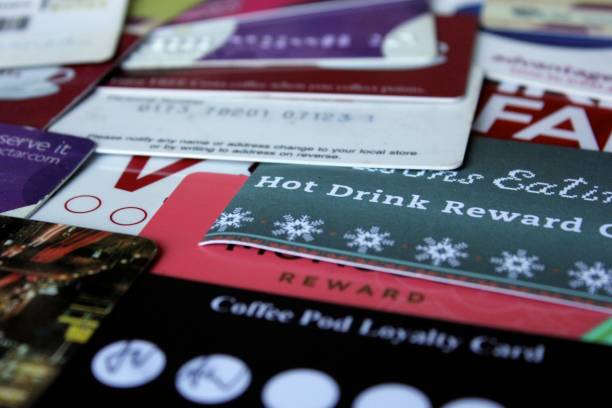
Joining store loyalty programs has become second nature for savvy shoppers seeking an edge on everyday expenses. Yet many consumers stop at simply collecting points, never realizing that these memberships hold far more power when combined with the digital coupon tools already living in their browsers. The true mastery of saving lies not in loyalty alone, but in the strategic layering of loyalty rewards with automated coupon codes, cash-back extensions, and price-tracking alerts. This approach transforms a passive accumulation of perks into an active, compounding system that can slash costs on everything from groceries to electronics.
The first step to leveraging loyalty programs effectively is understanding that most retailers design them to encourage repeat visits, not to offer the deepest discounts upfront. A standard program might give you a free coffee after ten purchases or 5% back on every dollar spent. While these benefits are welcome, they rarely match the savings available through a well-timed digital coupon. The trick is to merge both. For example, a frequent shopper at a department store can use a browser extension like Honey or Capital One Shopping to automatically apply coupon codes at checkout. By enrolling in the store’s loyalty program first, the customer often gains access to exclusive codes that are not available to the general public. Browser extensions then scan for these hidden deals, sometimes applying multiple codes in a single transaction, and the loyalty points still accumulate on the final discounted amount. The result is a double win: a lower price on the purchase plus the ongoing reward balance.
Another overlooked advantage is the ability to stack loyalty program discounts with cash-back portals. Many loyalty programs offer their own credit cards or store-specific charge accounts, which grant bonus points on purchases. When a shopper first activates a cash-back browser extension such as Rakuten or TopCashback, and then pays with a loyalty credit card, every dollar spent earns rewards in three layers: the cash-back percentage from the portal, the points from the loyalty program, and the points from the credit card. This stacking method can effectively double or triple the return on a single transaction. For big-ticket purchases like appliances or furniture, this compounding effect becomes substantial. A $1,000 sofa bought through a 10% cash-back portal with a 5% store loyalty card and a 2% credit card rebate yields $170 in combined value, far exceeding the standard 5% store reward.
Digital coupon tools also help shoppers stay ahead of expiration dates and tiered thresholds. Loyalty programs often include time-sensitive bonuses such as double points days or limited-time offers for spending a certain amount. Browser extensions with price-tracking features, like Keepa or CamelCamelCamel, allow users to monitor price drops on specific items. When a desired product hits a low point, the shopper can time their purchase to coincide with a loyalty bonus window. For instance, a grocery store might email loyalty members a coupon for extra points on produce valid only on Thursday. By using a browser tool to check the store’s digital circular beforehand, the shopper can plan a run that maximizes both the points multiplier and any existing manufacturer coupons already loaded into their loyalty account. This coordination requires minimal effort but yields significantly higher savings than random shopping trips.
Perhaps the most powerful technique is automating the entire process through browser-based shopping assistants. Tools like Wikibuy or PriceGrabber can compare prices across multiple retailers while simultaneously checking loyalty program discounts that require a membership login. When you are logged into your loyalty account on a retailer’s website, these extensions see your personalized offers automatically. They can even combine coupon codes from the store’s loyalty portal with third-party deals, ensuring you never leave discounts on the table. This is especially valuable for repeat purchases on essentials like diapers, pet food, or cleaning supplies. Setting up subscriptions through a loyalty program often yields a recurring discount, and a browser extension can ensure you are always receiving the best price by alerting you when the subscription price changes or when a better coupon becomes available.
The key mind shift is moving from passive collection to active orchestration. Instead of joining a loyalty program and occasionally remembering to check for offers, treat it as one gear in a larger savings machine. Every time you open your browser to shop, have your loyalty accounts logged in, your coupon extension active, your cash-back portal clicked, and your price tracker running. The friction of this process quickly disappears once the habits are formed, especially because most browser tools require only a single click to activate. Over time, the extra savings add up to hundreds of dollars annually, turning routine purchases into opportunities for significant financial gain.
In conclusion, store loyalty programs are not an end in themselves but a foundation upon which digital coupon tools can build a robust savings strategy. By layering browser-based coupon aggregators, cash-back portals, and price tracking with the perks of membership, consumers can achieve discounts that far surpass what any single method offers alone. The real mastery lies in the integration—turning everyday shopping into a game of smart stacking where every click counts. For those willing to invest a few minutes setting up their browser ecosystem, the payoff is both immediate and compounding, proving that the most valuable loyalty is not to a store but to the process of saving itself.