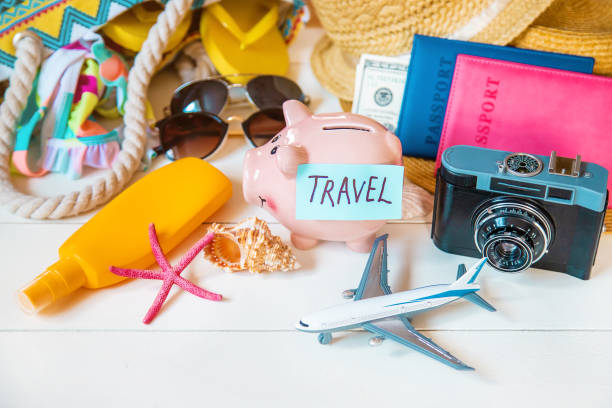

Travel costs have a way of creeping up far beyond the initial plane ticket and hotel reservation. One of the most insidious budget destroyers is the daily restaurant bill. Three meals out, plus snacks and drinks, can easily surpass a hundred dollars per person per day. For a family of four on a week-long trip, that adds up to nearly three thousand dollars. Yet many travelers overlook the simplest and most effective antidote: cooking their own meals while on vacation. What may sound like a sacrifice actually transforms the travel experience, saving money while simultaneously deepening connection to the destination.
The first step is intentional accommodation selection. When booking a rental home, condo, or even an extended-stay hotel, prioritize units with a full kitchen. The nightly rate of a two-bedroom apartment with a kitchen is often comparable to a single hotel room that lacks any cooking facility. The premium paid for a kitchen-equipped space is quickly recouped within the first two days of meals. A breakfast of eggs, fresh fruit, and coffee prepared in your own kitchen costs a fraction of the fifteen-dollar hotel buffet or the twenty-five-dollar café outing. Over a week, that morning savings alone can cover the rental’s extra cost.
The grocery shopping trip becomes a cultural immersion rather than a chore. Instead of hitting a chain supermarket, seek out local markets, farmers’ stands, and specialty shops. In Barcelona, a visit to La Boqueria yields cured jamón, manchego cheese, and crusty bread for a fraction of what a restaurant charges for a charcuterie board. In Tokyo, a convenience store run for onigiri and miso soup packets costs pennies compared to a sit-down ramen shop. Shopping where locals shop exposes you to ingredients you may never encounter at home, turning meal preparation into a learning experience. The simple act of selecting a strange vegetable or asking a vendor how to cook a regional fish becomes a memorable interaction.
Planning cooks for efficiency and variety. Before the trip, compile a short list of one-pot meals that travel well: pasta with seasonal vegetables, stir-fries using local proteins, or a hearty soup that can be reheated after a day of sightseeing. A few basic pantry staples—olive oil, salt, pepper, garlic—can transform almost any market find into dinner. Investing in a small cooler bag allows you to pack leftovers for lunch during excursions, eliminating the need for overpriced tourist-trap sandwiches. Even a simple picnic of bread, cheese, and tomatoes eaten on a park bench offers a better view and a lower price than any restaurant patio.
The savings are substantial. A typical restaurant dinner for two in a mid-range tourist area runs forty to sixty dollars. A home-cooked version, using local ingredients purchased at market, costs eight to twelve dollars. Multiply that by seven nights, and the difference is over three hundred dollars per person. For a family of four, the gap widens to more than a thousand dollars. That money can be redirected to a memorable excursion or a special treat—a guided tour, a cooking class, or a night splurging on a restaurant you have researched and truly want to try.
Cooking at home while away also addresses dietary restrictions and preferences without stress. Gluten-free, vegan, or allergy-sensitive travelers often struggle to find safe options abroad. In a private kitchen, you control every ingredient. You can replicate familiar comfort foods while still experimenting with local flavors. There is no awkward language-barrier conversation with a waiter, no hidden butter or soy sauce that ruins a meal. The kitchen becomes a sanctuary of control in an otherwise unfamiliar environment.
Beyond the financial and practical benefits, cooking on vacation encourages a slower, more intentional pace. Instead of rushing between attractions and restaurant reservations, you build a rhythm around market visits, prep sessions, and shared meals. The act of cooking together—even if you are traveling solo—creates a sense of home away from home. It forces you to pause, to taste, to appreciate the simplicity of a meal made with your own hands from ingredients you chose. That deliberate slowness is itself a luxury that the frantic tourist often misses.
Critics argue that cooking on vacation feels like work, and that part of travel is being pampered. But a cooking vacation does not mean every meal must be homemade. The key is balance. Cook breakfast and dinner, then enjoy a local lunch out. Or cook three dinners, eat out two, and do a picnic for the remaining two meals. The strategy is not about deprivation; it is about reclaiming control over your budget so you can afford the experiences that truly matter. A cooking vacation ultimately saves more than money—it saves the opportunity to invest your travel dollars in memories that last.